
Introduction
In a flourishing democratic society, civic engagement is not just important – it is imperative. It is the cornerstone of holding the government accountable and ensuring it serves the needs of its citizens. Yet, when individuals choose to disengage and show apathy towards politics, they are essentially undermining the very essence of democracy. Political apathy, characterized by the indifference of individuals towards political activities and participation, has the power to inflict extensive and harmful repercussions on society.
Causes of Political Apathy
Understanding the root causes of political apathy is the first step in addressing it:
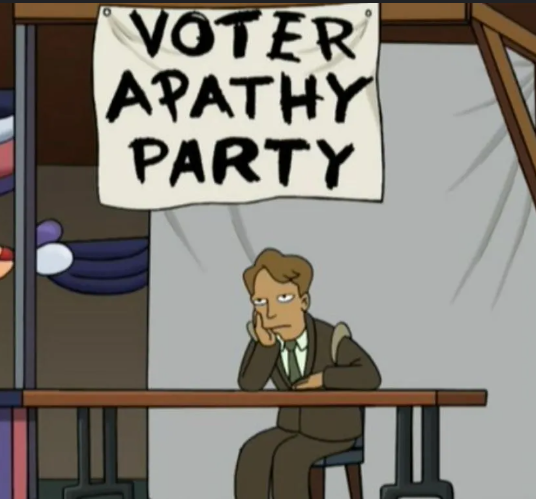
- Lack of Trust in the Political System: Many people feel disillusioned with the political system, believing that it serves the interests of a few rather than the general public.
- Perception That Individual Votes Don’t Matter: A common sentiment is that a single vote or voice cannot effect change, leading to a sense of helplessness and disengagement.
- Complexity of Political Issues: Political issues can be complex and difficult to understand, causing people to feel overwhelmed and detached.
- Disengagement Due to Daily Life Pressures: With the demands of daily life, many find it challenging to prioritize political engagement.
Consequences of Political Apathy
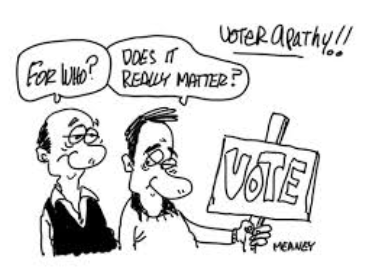
The consequences of political apathy are profound and can undermine the very fabric of democracy:
- Weakening of Democratic Processes: When voter turnout is low and citizens are disengaged, the democratic process weakens, leading to decisions that do not reflect the will of the majority.
- Poor Governance and Lack of Accountability: A disengaged electorate means less scrutiny of elected officials, leading to poor governance and a lack of accountability.
- Increased Corruption and Misuse of Power: With fewer eyes on the government, there is a higher risk of corruption and misuse of power.
- Diminished Public Voice and Representation: Political apathy leads to a lack of diverse voices and perspectives in the political arena, resulting in policies that may not address the needs of all segments of society.
- Social and Economic Stagnation: A politically apathetic society is less likely to advocate for necessary social and economic reforms, leading to stagnation.
Conclusion
Political apathy poses a significant threat to the health and vibrancy of democratic societies. It is essential for citizens to remain engaged and active participants in the political process. By understanding the causes and consequences of political apathy, and taking steps to combat it, we can ensure a more inclusive, accountable, and dynamic political landscape. Let’s all commit to being active citizens, making our voices heard, and shaping the future of our society.