
The other day, I was walking around NTUC doing my grocery shopping when I noticed a carrot labelled “Organically Grown” wrapped in plastic and styrofoam on the vegetable shelves.
What a contradiction, right? I recently came across a Reddit post stating that Singapore has the highest use of single-use plastics in the world. This is baffling to me, especially since many companies and even the government often emphasize how eco-friendly they are.

Back in 2018, there was significant interest from major companies in reducing their plastic waste, but this enthusiasm has since dwindled. Fast food chains like McDonald’s and KFC eliminated plastic straws in favor of more “sustainable” options. However, the perceptive observer may realize that these companies still use plastic materials in their packaging and utensils. McDonald’s, KFC, and many other fast food chains continue to provide plastic cup lids and utensils. It seems to me that these companies are merely jumping on the bandwagon to improve their image and market their “sustainable practices” to the general public. Over the past six years, we have seen companies like KouFu and many other restaurant chains following suit.
What is Greenwashing?
Greenwashing is the deceptive practice where companies falsely advertise their products, services, or practices as environmentally friendly to mislead consumers. This involves making exaggerated, vague, or false claims about the environmental benefits without providing clear, verifiable evidence. For example, a company might label a product as “eco-friendly” or “green” without any certification or proof, or highlight a minor sustainable aspect while ignoring significant environmental harms. Greenwashing undermines genuine sustainability efforts and erodes consumer trust, making it crucial for consumers to critically evaluate environmental claims and seek credible certifications.
The KouFu “Reusable” Cup
Do not blame the staff for providing straws for you, blame the corporate management for not changing their practices and adopting more sustainable alternatives. Why not go back to serving milo in the glass mugs ? Why go through all of this logistical shenanigans to make the company “look better”. Gotta do better Koufu.
“Designed to be used without a straw”

What could you do?
- Bring your own bottle
Now it may not work in most Koufu’s especially the busier outlets, but some stuff would gladly take your reusable bottles and fill it up with your favourite drink, allbeit it will be at a fixed volume. - Drink Water?
Drinks are expensive in this economy so why bother?
What should KouFu do ?
Koufu has the capabilities and logistics to switch to more sustainable materials for their cups. Instead of reverting to glass cups, as old coffee shops did, they can opt for newer alternatives. Interestingly, SKP PTE LTD, one of Singapore’s largest suppliers of food packaging, offers biodegradable plastics that are readily available for purchase.
The supply chains and logistics for manufacturing plastic cups have been well-established over the past 50 years. However, newer plastic cups made from polylactic acid (PLA), derived from plant sugars such as corn starch, sugar beet, or sugar cane, present a sustainable alternative. From a business standpoint, using PLA cups allows Koufu to maintain cost-effectiveness and profitability while embracing sustainability.
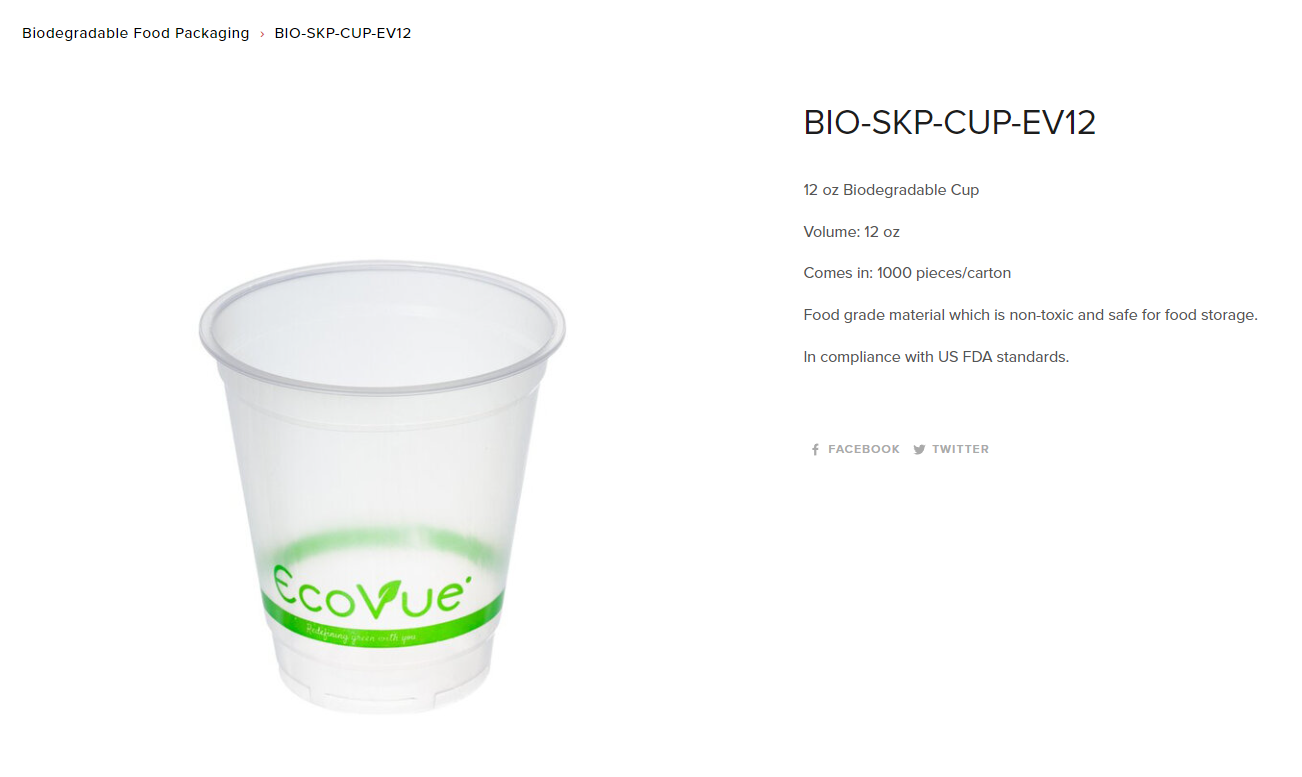

When searching up SKP’s website I found something suspiciously familiar
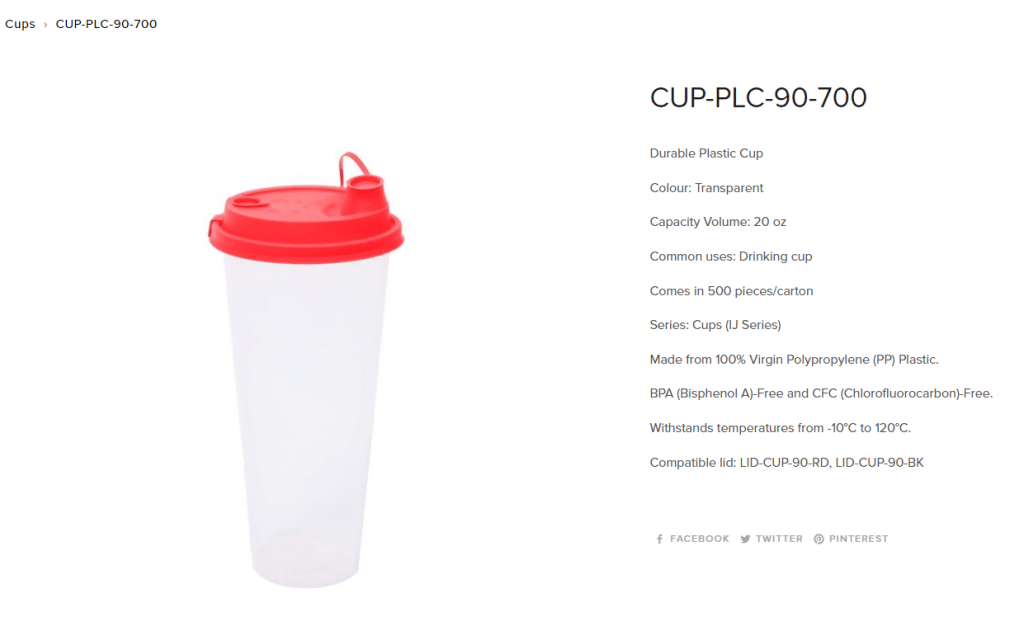
Well, well, well what do we have here
In conclusion, as we become more aware of environmental issues, it’s important to spot the difference between real sustainability and greenwashing. By staying informed and looking closely at environmental claims, we can make better choices and support companies that genuinely care about the planet. We should hold businesses and governments accountable and call them out when we perceive an attempt of greenwashing else we lay complicit within the climate crisis.