Huh aren’t EVs supposed to be environmentally friendly?
Electric vehicles (EVs) have surged in popularity as the world shifts toward greener alternatives in transportation.
Hailed as a solution to our climate change crisis reducing dependency on fossil fuels, EVs are often seen as the poster child for sustainability.
However, are they actually eco-friendly? Cars are still cars, they are made of steel, glass, plastic, rubber. Those materials don’t stand to be very emissions friendly. Maybe there is something being overlooked.
In this post, we’ll explore the hidden environmental costs of EVs, from their production to end-of-life disposal, and what it means for their role in a sustainable future.
1. The Resource-Intensive Process of Battery Production
- Explain the environmental impact of mining materials like lithium, cobalt, and nickel.
- Discuss energy consumption and emissions during battery manufacturing.
- Highlight ethical concerns, such as mining practices in developing nations.
According to a study published on The international Journal of Life Cycle Assessment, there are severe environmental, ethical and social impacts of lithium, cobalt and nickel mining within the Democratic Republic of the Congo.
The Democratic Republic of the Congo (DRC) is the main source of cobalt globally—in fact, over 70% of the world’s cobalt comes from mines in this country. Cobalt mining is centered in the “copper belt” region of Haut-Katanga and Lualaba Provinces, where the cobalt is also refined for export. [DOL, 2024]
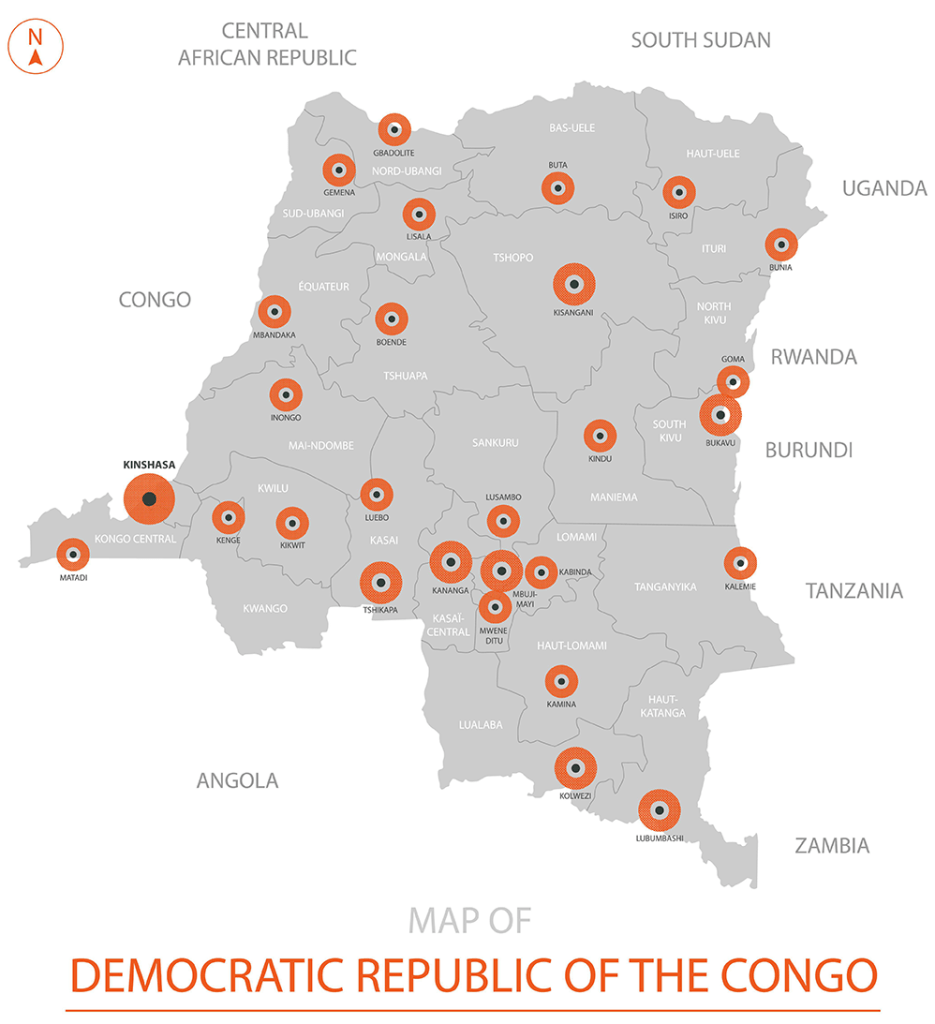
The case studies used within this study showed the following fatalities.
Artisanal cobalt mining in the DRC based on the two diferent fatality estimates used in the study — the higher estimate at 2000 fatalities/year and the more conservative media reporting of 65 fatalities/year. [Arvidsson, R., Chordia, M., & Nordelöf, A. (2022).]
Such activities associated with mining, results in potential health impact in addition to emissions from sulfur dioxide, zinc and arsenic.
In South America, lithium extraction where brine pumping was used contaminate dand dropped ground water levels. (Marazuela et al., 2019) with disruption of sensitive wetland ecosystems and the species dependent on them. (Gutiérrez et al., 2022).
These are only the environmental impacts
The Social impact of such activities also pose a threat to the societies around these facilities.
According to the US Department of Labor, while some cobalt is mined at large scale industrial mines, artisanal and small scale mines are responsible for 15-30% of local production.

Child labor can often be found in these smaller scale operations as they are harder to regulate due to remote location therefore rarely visited by labor inspectors.
So what now, can I not drive my vehicle? I need it.
Well with the write infrastructure design and public transport, you wouldn’t need an automobile.
Alternatives to EVs

- You could ride a bicycle. Bicycle life time emissions are close to zero and they bring plenty of benefits from a lower running cost and a healthier body.
- Long Term, bicycles save you thousands of dollars from medical expenses, potentially leading to a longer life.
That being said, ensure that your city is built for bicycles. Sometimes its truly not safe to be riding your bicycle. Go to your local city council meeting advocate for your right to sustainable transportation.
2. Take Public Transportation

Your emissions per person is reduced. Any plus side, you save money and the hassle of having to park your car, insurance, maintenance. It’s all done for you. That being said, it really depends on the quality of your cities’ transportation system.
Conclusion
Electric vehicles represent an important step in the global transition to cleaner transportation, but they are not a silver bullet. Understanding their environmental impacts is crucial for developing smarter, more sustainable solutions.
By improving the way we produce, power, and recycle EVs, we can ensure they live up to their promise of a greener future.
As we embrace this transition, it’s essential to remain critical, innovative, and committed to reducing the unintended consequences of this new technology.
The journey toward sustainable mobility is ongoing, and every step we take must bring us closer to a truly eco-friendly future.
Reference List
Arvidsson, R., Chordia, M., & Nordelöf, A. (2022). Quantifying the life-cycle health impacts of a cobalt-containing lithium-ion battery. The International Journal of Life Cycle Assessment, 27(8), 1106-1118.
Gutiérrez, J. S., Moore, J. N., Donnelly, J. P., Dorador, C., Navedo, J. G., & Senner, N. R. (2022). Climate change and lithium mining influence flamingo abundance in the Lithium Triangle. Proceedings of the Royal Society B, 289(1970), 20212388.
Marazuela, M. A., Vázquez-Suñé, E., Ayora, C., García-Gil, A., & Palma, T. (2019). The effect of brine pumping on the natural hydrodynamics of the Salar de Atacama: The damping capacity of salt flats. Science of the Total Environment, 654, 1118-1131.