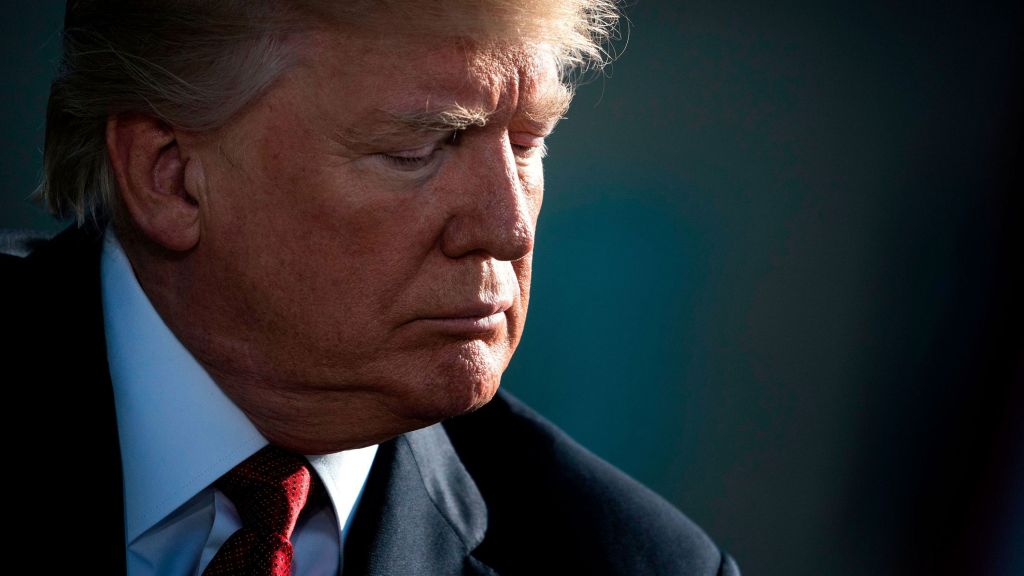
With the Inauguration of 47th President of the United States Donald J Trump.
Today, we seek to explore a basic question, what is a tariff and what are the effects of this policy.
What are Tariff?
Tariffs are a type of tax or duty placed on imported goods. By design, they intend to make imported goods more expensive, encouraging consumers to buy domestic products. The application and impact of tariffs are far – reaching and affects businesses, consumers and international relations.
Types of Tariffs
- Ad Valorem Tariffs
Calculated as a percentage of the value of the imported goods. Example : $100 of imported goods incurs additional $10 bringing overall cost to $110 - Specific Tariffs
Fixed Fee per unit regardless of item’s value. Flat application of tax $2 per kilogram of an imported electronic item
For Donald Trump’s case, he wants to implement Type 1 (Ad Valorem Tariffs) onto imported goods from China.

Why does he want to place Tariffs on China?
Donald Trump has a habit of using tariffs as a means to threaten or a show of diplomatic force. On January 7th, West Palm Beach Florida. Donald Trump refuses to rule out economic and military tools for the Panama Canal and Greenland purchases. Saying he would “impose tariffs at a very high level” on Denmark.
Its no surprise, not the first time Donald Trump has made such bombastic remarks, however, the effects of his comments are quite disastrous for the US economy if the were to actually go through.
Supporters of Donald Trump argue for Tariffs stating they are necessary in leveling the economic playing and protect US industries (Especially Manufacturing) from being off shored to other countries. With China being the World’s factory, these tariffs would eventually bring burden to the US Consumer and business.
INCREASING COST AND DISRUPT SUPPLY CHAINS.
The long term effects of such tariffs are yet to be seen but one thing is for sure, things are going to get more expensive regardless of which president you supported.
Abolishment of the IRS
One week before Inauguration Day, a dozen GOP lawmakers introduced the Fair Tax Act of 2025 which seeks the following
- Abolish the IRS
- Repeal all P
- Personal Income
- Corporate Income
- Death Tax
- Gift Tax
- Payroll Tax
Spearheaded by Rep .Earl L. “Buddy” Carter, who aims to dismantle the federal tax system with a single national tax (Consumption Tax), a regressive tax that would make everyone pay.
If enacted, the national consumption tax rate would be a tax-inclusive rate of 23% as of the 2027 tax year. Realistically, economists say that rate would increase to about 30%. According to the Tax Foundation, for every $1 spent, taxpayers would pay the federal government about 30 cents in sales taxes.
Of that share, 64.83% of total revenue would be directed to general revenue. Additionally, 27.43% would go to the old-age and survivors insurance and disability trust funds, and 7.74% would be allocated to the hospital insurance and federal supplementary medical insurance trust funds.
After 2027, the consumption tax rate would vary based on government spending. The combined federal tax rate would be determined as follows:
- A 14.91% sales tax to cover general fund spending, plus,
- Two variable sales tax rates to cover trust fund spending as determined by the Social Security Administration
According to the Brookings Institute, it states that No tax is free of evasion (illegal underpayment of taxes owed) or avoidance (legal changes in activity to reduce one’s tax burden). If one assumes that the Fair Tax would generate the same rate of evasion as the income tax (but no avoidance), the required tax-inclusive rate rises to 34.1% (a 51.7% markup at the cash register). (William G.Gale, Kyle Pomerleau, 2023)
Well, I wonder what would happen to overall consumption if this kind of policy was enacted.
The enactment of this act would result in a 23% tax-inclusive rate under those conditions would result in a budgetary shortfall of approximately $27.7 trillion over the next decade. (William G.Gale, Kyle Pomerleau, 2023)
Conclusion
In the era of globalisation, the role of tariffs are evolving. Organisations like the World Trade organisation aims to reduce trade barriers and promote free trade. As we watch to see what Trump does during the next four years we need to analyse and see if there is a balance between protectionism and globalisation.
Tariffs are more than just a tax, they are an instrument of economic policy. As consumers, understanding tariffs helps you to navigate the complexities of international commerce.
Learn your lesson, do some research before voting.
References