We live in a world where our political systems are changing. One normality for one country might be odd for another.
In this blog we will discuss the different types of Democracy.
Advertisements
Types of Democracy: Key Points to Explore
1. Direct Democracy

- Origin: Rooted in ancient Athens, where citizens voted directly on laws.
- Features: Citizens have a direct say in policy decisions without intermediaries.
- Modern Examples: Switzerland’s referendums and initiatives.
- Strengths: High level of public participation and transparency.
- Challenges: Impractical in large, complex societies due to scalability and time constraints.
2. Representative Democracy

- Definition: Citizens elect representatives to make decisions on their behalf.
- Variants: Presidential (e.g., the U.S.) vs. Parliamentary (e.g., the UK) systems.
- Key Mechanisms: Regular elections, political parties, and legislative assemblies.
- Strengths: Efficient decision-making in large populations.
- Challenges: Risk of corruption, gerrymandering, and disconnect between leaders and constituents.
3. Liberal Democracy

- Definition: A form of representative democracy that emphasizes individual rights and freedoms.
- Characteristics: Rule of law, separation of powers, and protection of civil liberties.
- Examples: Countries with constitutional frameworks like Canada and Germany.
- Strengths: Balances majority rule with minority rights.
- Challenges: Can struggle with addressing inequality and ensuring broad participation.
4. Social Democracy

- Definition: Combines democratic governance with a commitment to social justice and economic equality.
- Features: Strong welfare state, labor protections, and redistributive policies.
- Examples: Nordic countries like Sweden and Denmark.
- Strengths: Reduces inequality and promotes social cohesion.
- Challenges: High tax burdens and debates about government overreach.
5. Participatory Democracy

- Focus: Involves citizens more deeply in decision-making beyond voting.
- Mechanisms: Citizen assemblies, public consultations, and participatory budgeting.
- Examples: Porto Alegre, Brazil’s participatory budgeting model.
- Strengths: Empowers communities and fosters grassroots engagement.
- Challenges: Time-intensive and requires high levels of civic literacy.
6. Deliberative Democracy

- Definition: Centers on thoughtful discussion and debate to arrive at consensus.
- Features: Use of deliberative forums, citizens’ juries, and town halls.
- Examples: Ireland’s Citizens’ Assembly on constitutional issues.
- Strengths: Encourages informed and reflective decision-making.
- Challenges: Time-consuming and less effective in polarized societies.
7. Electoral Democracy

- Definition: A minimal form of democracy focused primarily on free and fair elections.
- Features: Emphasis on voting as the primary mechanism of accountability.
- Examples: Many emerging democracies and post-transition states.
- Strengths: Simple and accessible entry point for democratic governance.
- Challenges: Limited focus on broader democratic values like rights and civic participation.
- Note : Electoral Democracy overlaps and is interlinked with other concepts and forms of democracy, it in itself is one factor of describing a democratic countries’ political system
8. Hybrid Democracies
- Definition: Systems that combine democratic and authoritarian elements.
- Features: Elections may exist but are often undermined by lack of transparency or fairness.
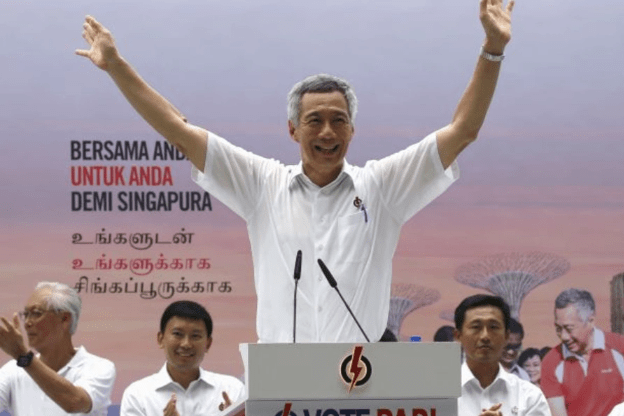
- Examples: Countries with strongman leaders who maintain a façade of democracy. (Singapore)
- Strengths: Can maintain stability in transitional contexts.
- Challenges: High risk of authoritarian backsliding and limited public trust.
9. Consensus Democracy

- Definition: Focuses on achieving broad agreement rather than majority rule.
- Features: Power-sharing, coalition governments, and multi-party systems.
- Examples: Switzerland and Belgium.
- Strengths: Reduces conflict in diverse societies.
- Challenges: Can lead to gridlock and slower decision-making.
10. Economic Democracy

- Focus: Extends democratic principles to economic decision-making.
- Features: Worker cooperatives, employee ownership, and participatory economics.
- Examples: Mondragon Corporation in Spain.
- Strengths: Promotes economic equality and worker empowerment.
- Challenges: Limited scalability and integration with capitalist systems.
Advertisements
Good Job, Now You can name the different types of democracy and hopefully bring into context about how your country is run!
Give a like and subscribe towards my blog content if you like it !
More content to come so stay tuned.