Climate change is one of the most pressing challenges of our time, demanding bold action from nations across the globe.
While progress varies, some countries have stepped up as climate leaders, implementing innovative policies, investing in renewable energy, and setting ambitious targets for reducing carbon emissions. However, no country is perfect—each faces unique challenges in meeting its goals. Here, we highlight ten nations leading the charge against climate change and examine where they still have work to do.
1. Denmark
Why It’s a Climate Leader:
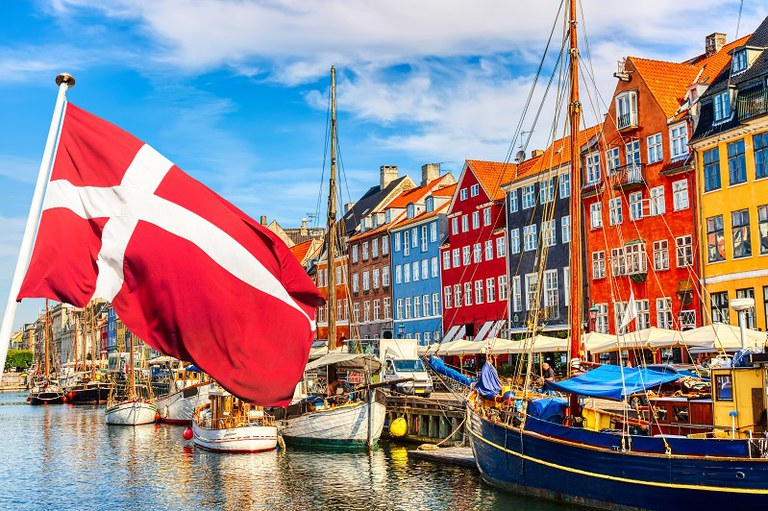
Denmark consistently ranks at the top of climate action indexes. According to the Climate Change Performance Index (CCPI) 2024, Denmark is the global leader due to its strong policies and massive investments in renewable energy, particularly wind power.
The country has committed to reducing greenhouse gas emissions by 70% by 2030 compared to 1990 levels and aims to be entirely fossil-fuel-free by 2050.
Where It Falls Short:
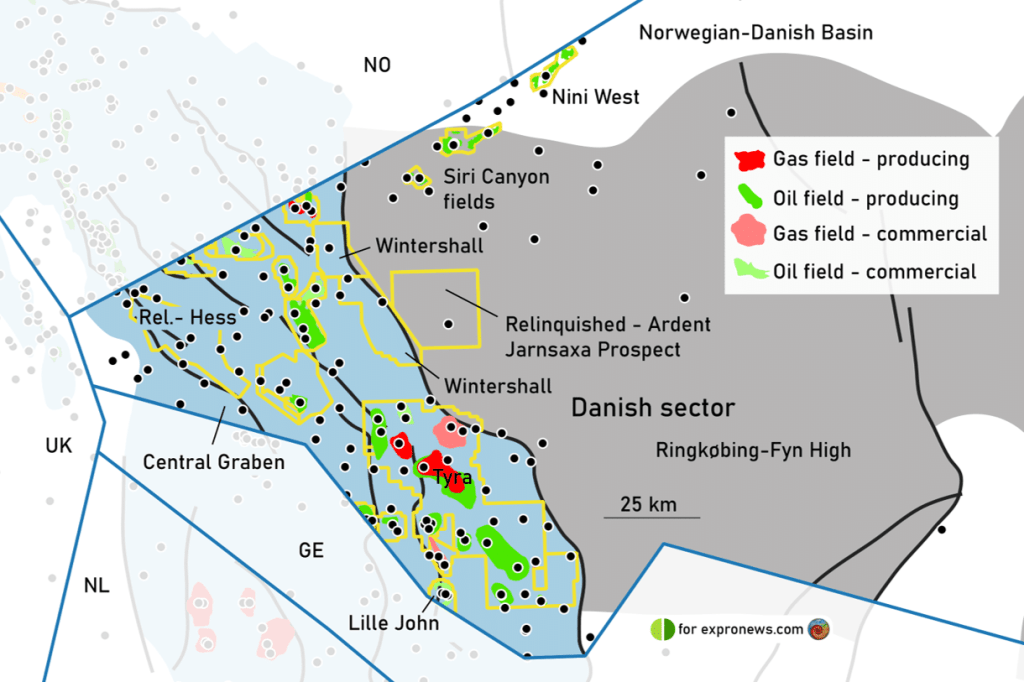
Despite its progress, Denmark still faces challenges in reducing emissions from its agricultural sector, which remains a significant contributor to greenhouse gases.
Additionally, the country’s continued oil and gas production in the North Sea presents a conflict between economic interests and climate objectives.
2. Sweden

Why It’s a Climate Leader:
Sweden has long been a pioneer in climate action. It was the first country to introduce a carbon tax and currently has the highest carbon tax globally, at €122 per ton.
The country has set a target of achieving net-zero emissions by 2045, and its energy mix relies heavily on nuclear, hydro, and biofuels.
Where It Falls Short:
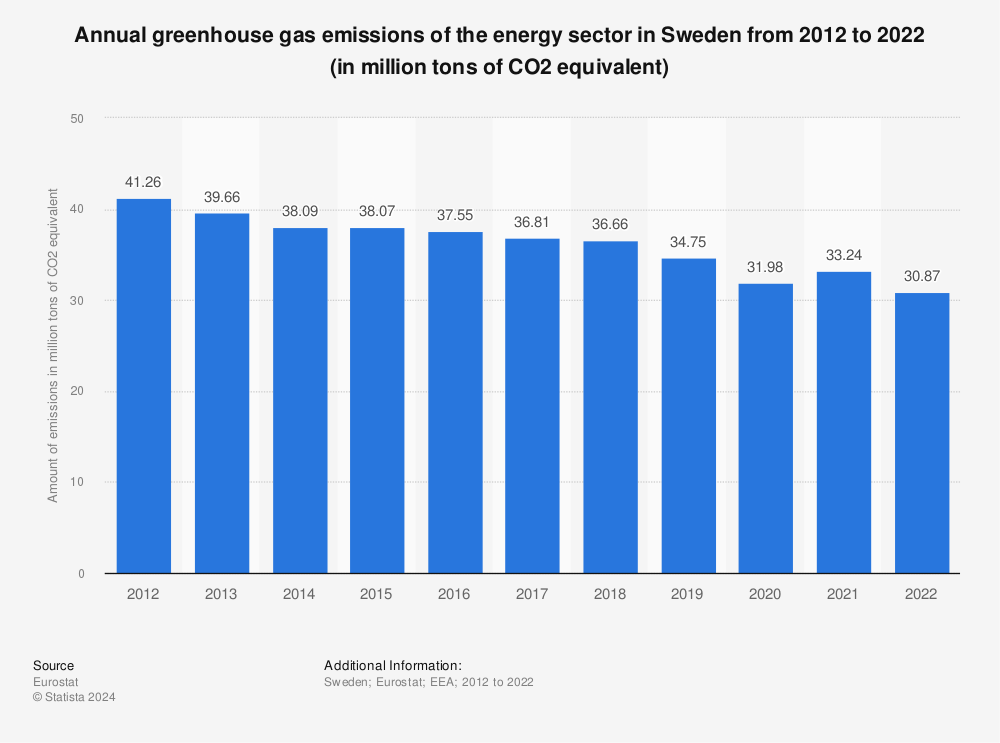
Sweden’s biggest challenge lies in its industrial sector, particularly steel production, which is energy-intensive and difficult to decarbonize. Transitioning these industries to sustainable practices without compromising economic growth remains a hurdle.
3. United Kingdom
Why It’s a Climate Leader:
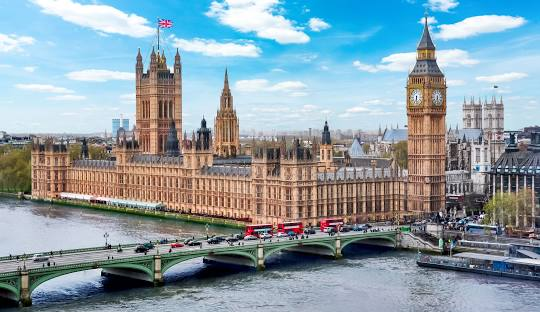
The UK has cut emissions by almost 45% since 1990 and has pledged to reduce them by at least 68% by 2030. It has significantly reduced its reliance on coal and expanded its use of renewable energy sources.
Where It Falls Short:
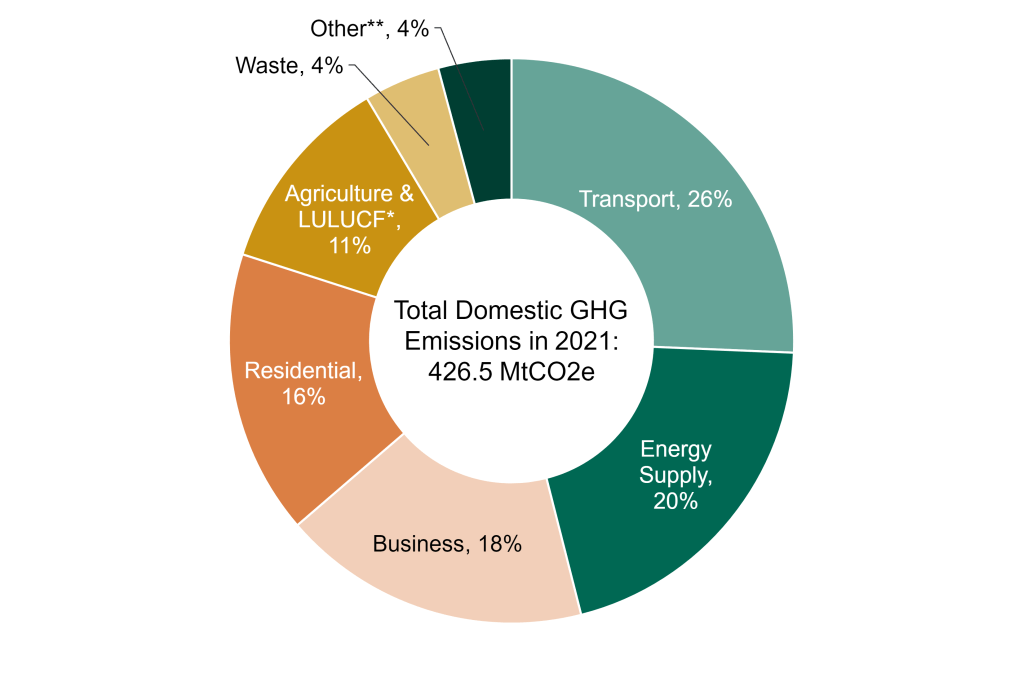
Critics argue that the UK has yet to set clear climate targets for crucial sectors like agriculture and transportation, which could impede its ability to achieve net-zero emissions. (The Times)
4. Netherlands

Why It’s a Climate Leader:
The Netherlands ranks fifth in the CCPI thanks to its strong climate policies and heavy investment in renewable energy. The country is rapidly phasing out coal and has ambitious emissions reduction targets.
Where It Falls Short:
High per capita emissions, a dense transportation network, and challenges in making agriculture more sustainable are key issues. Livestock farming, in particular, contributes significantly to methane emissions.
5. Norway

Why It’s a Climate Leader:
Norway aims to halve its emissions by 2030 and has been a pioneer in electric vehicle adoption. It also relies heavily on hydroelectric power for its energy needs.
Where It Falls Short:
Despite its domestic efforts, Norway remains one of the world’s top oil and gas exporters, leading to criticism of its overall carbon footprint.
6. Portugal

Why It’s a Climate Leader:
Portugal has made significant investments in wind and solar energy and has been recognized for its proactive climate policies.
Where It Falls Short:
The country faces challenges in energy storage, grid stability, and reducing transportation emissions. Its reliance on imported fossil fuels also slows its transition to a fully renewable energy system.
7. Chile

Why It’s a Climate Leader:
Chile is a regional leader in climate action, with strong policies promoting renewable energy. The country has committed to closing all its coal-fired power plants by 2040.
Where It Falls Short:
Chile is highly vulnerable to climate change impacts, including droughts and water scarcity. Its mining industry, a cornerstone of its economy, also contributes significantly to greenhouse gas emissions.
8. Morocco
Why It’s a Climate Leader:
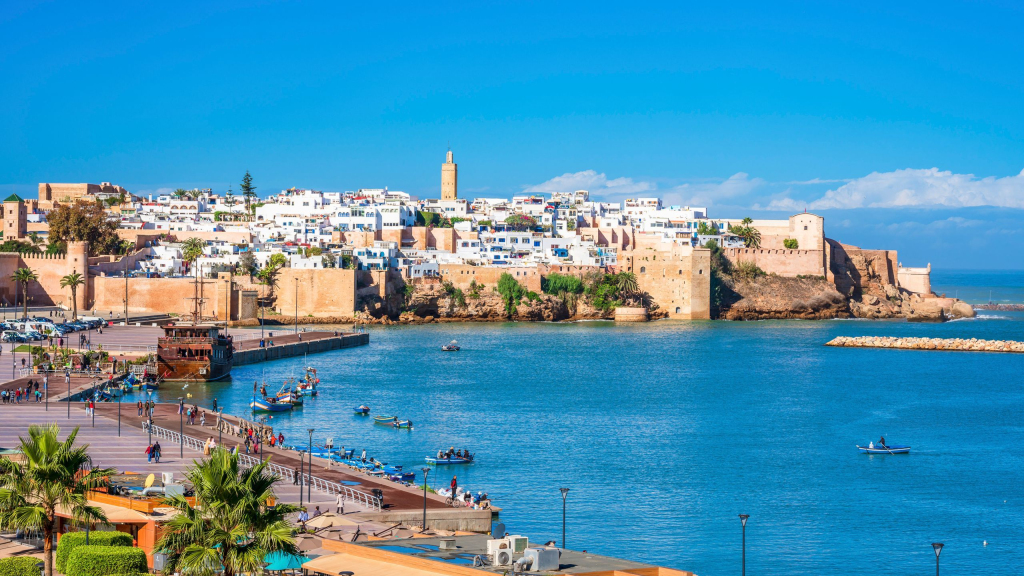
Morocco has heavily invested in solar energy, home to one of the world’s largest solar farms. The country is making rapid progress toward energy sustainability.
Where It Falls Short:
Morocco still relies on fossil fuels for a significant portion of its energy needs, and economic constraints make it difficult to scale up renewable projects at the pace needed.
Conclusion
Even the most proactive nations face significant challenges in their climate ambitions.
While these ten countries lead the way with innovative policies, strong investments in renewables, and ambitious emissions targets, they must continue addressing their weak spots to meet global climate goals.
The fight against climate change is ongoing, and collaboration, innovation, and accountability will be crucial in achieving a sustainable future.
References
- Climate Change Performance Index 2024 – https://ccpi.org
- The Times – UK Climate Plan Criticized for Lack of Farming Targets
- Financial Times – India’s Climate Challenges
- International Energy Agency (IEA) – Norway’s Renewable Energy Progress
- World Resources Institute (WRI) – China’s Green Investment
- European Environment Agency – Denmark’s Climate Strategy
- United Nations Framework Convention on Climate Change (UNFCCC) – Morocco’s Solar Energy Initiatives
- Climate Action Tracker – Portugal’s Emission Reduction Plan