Transportation of migrant workers in Singapore is a topic that sparks considerable debate. For a nation heavily reliant on foreign labor to drive key industries, how workers are transported reflects broader societal priorities regarding safety and economics.
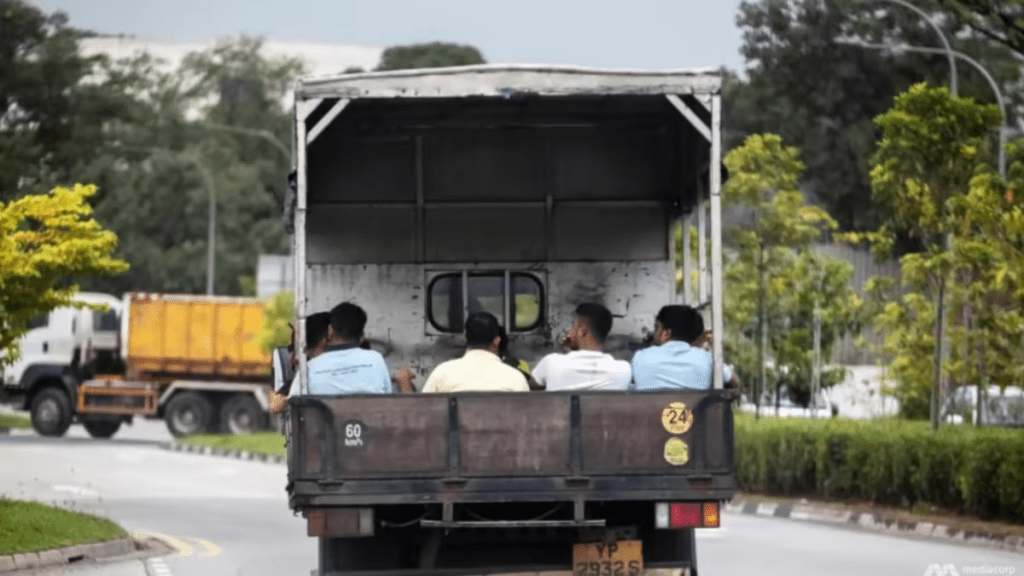
The sight of workers being ferried on lorries has become commonplace, but concerns over their safety and the adequacy of regulations have brought this issue into the public spotlight.
Overview of Migrant Worker Transportation in Singapore
Singapore employs hundreds of thousands of migrant workers who are vital to sectors like construction, shipbuilding, and domestic services. Reliable transportation is necessary to move workers from their dormitories to job sites. However, the methods used have raised safety and ethical concerns.
Key Industries Dependent on Migrant Workers

Migrant workers are central to several industries:
- [CMP] Construction: The skyline of Singapore owes much of its growth to foreign labor, as workers undertake physically demanding tasks in building residential and commercial structures.
- [CMP] Shipyard: Workers support Singapore’s maritime industry by repairing and constructing ships, often in physically tough environments.
- [MDW] Domestic Services: Many households rely on foreign helpers for childcare, cooking, and household maintenance.
These industries depend on an efficient and affordable transportation system to sustain their operations and meet deadlines.
Common Transportation Methods

The majority of migrant workers are transported on lorries, an arrangement that sparks widespread debate. Lorries, initially designed for cargo, are often repurposed to carry large groups of workers. While offering a cost-effective solution, these vehicles lack basic safety infrastructure like seat belts and secure seating. Buses and vans are alternatives, though less common due to higher costs with some companies converting over to busses after public backlash.
Safety Concerns and Challenges
The transportation methods commonly used pose significant safety risks. The absence of proper safety measures has led to preventable accidents, sometimes with fatal outcomes.
Accidents and Fatalities
Statistics underline the dangers migrant workers face while being transported. Between 2022 and 2024, there were over 1,000 reported injuries involving lorry passengers, with the workers themselves frequently at the center of these incidents. Tragically, at least 11 deaths occurred during this period, sparking outrage among advocacy groups.
Key Safety Issues

Several factors exacerbate the dangers of lorry transport:
- Lack of seat belts: Workers are forced to sit without restraint, increasing the risk of severe injury during collisions.
- Crowded seating: Overloading is common, leaving employees exposed to added risks.
- Cargo sharing space: Some vehicles carry both workers and construction materials, creating hazards during transit.
- Safety railings: Inadequate railings fail to prevent workers from falling off moving vehicles.
These issues highlight the urgency of enhancing the safety standards for migrant transport. As seen from the picture above, the results speak for themselves. Its dangerous and inhumane.
Regulations and Reforms
Singapore’s government has implemented safety rules, but many argue these measures fall short of adequately protecting workers.
Current Safety Regulations
Existing regulations require lorries carrying workers to:
- Have canopies to shield passengers from falling objects.
- Be equipped with side railings for added security.
- Adhere to speed limits and driver requirements.
While these rules aim to improve safety, the lack of enforcement and limited scope of reforms mean that violations are not uncommon.
Proposed Reforms and Advocacy
Advocacy groups have called for an end to lorry transport for workers. Proposals include mandating the use of buses with proper seating and restraints. Critics counter these ideas by citing cost concerns and operational challenges, but the debate continues as pressure mounts following high-profile accidents.
Economic Implications and Stakeholder Concerns
Striking a balance between safety and economic viability has proven difficult. Stakeholders, from businesses to workers themselves, are torn between two priorities.
Small and Medium Enterprise (SME) Challenges
SMEs, a backbone of Singapore’s economy, argue that switching from lorries to buses could drive up operational costs significantly. Hiring additional drivers, purchasing buses, and managing new schedules may strain their resources, particularly in labor-intensive industries.
Impact on Migrant Worker Livelihoods
For workers, reducing transport risks comes with its own challenges. If employers find costs unsustainable, they may cut jobs or pass expenses on to workers, reducing earnings. At the same time, unsafe transit can harm their physical well-being, underscoring the importance of finding a balanced approach.
Future Outlook and Recommendations
Solving this issue requires collaboration between government agencies, businesses, and advocacy groups. A safe, sustainable system must prioritize human lives without placing undue financial burden on stakeholders.
Exploring Alternative Transportation Methods
Switching from lorries to buses or introducing designated worker shuttles are practical alternatives. While the upfront costs are higher, long-term benefits include reduced accidents and better public perception of Singapore’s labor practices.
Balancing Safety and Costs
Subsidies or shared transport infrastructure could help lighten the financial load for SMEs. Employers could work collectively to adopt safer practices, encouraging policy changes without significant cost inflation.
Conclusion
The transportation of migrant workers in Singapore is not just a logistical matter—it’s a human rights issue. Ensuring their safety while addressing economic concerns will require collective effort and compromise. As Singapore continues to thrive, the treatment of its workforce will remain pivotal in shaping its identity as a global leader. Prioritizing safety is not just a moral choice; it’s a necessary step forward for a more equitable and sustainable future.