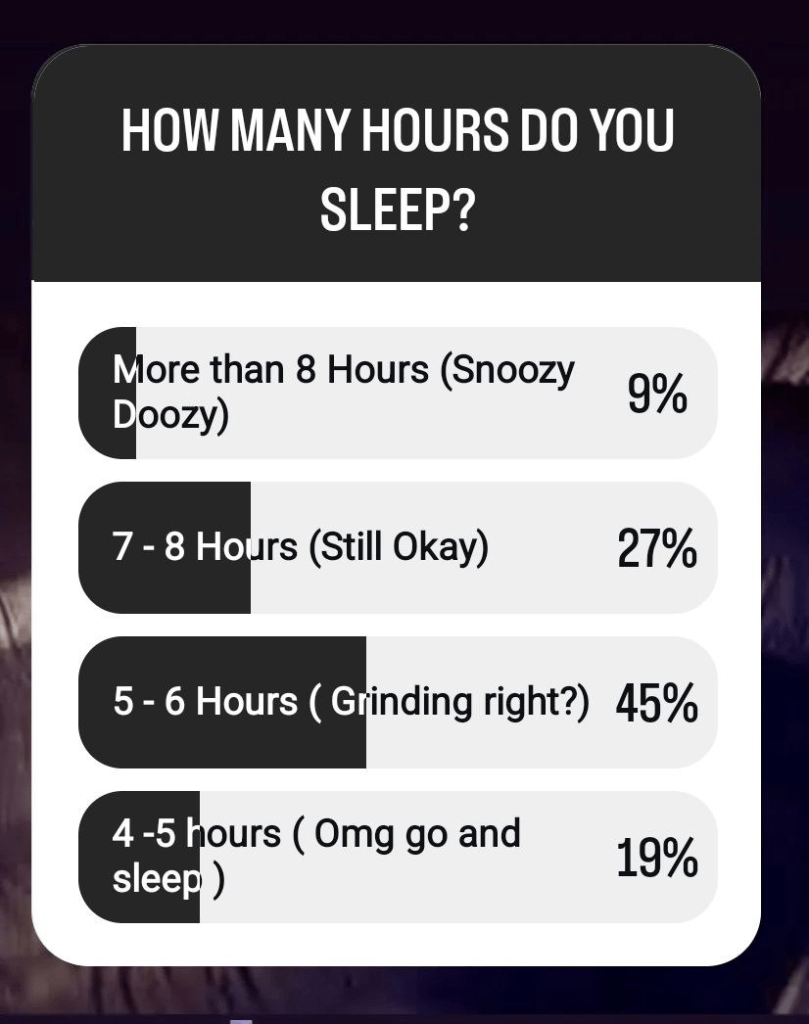
Tired? Want to snooze just a little longer? Well you are not alone, especially in Singapore. In a recent poll on my instagram @kiasu.observer, 45% of respondents slept for ONLY 5 – 6 Hours.
How and why? It’s okay.
FYI, the respondents towards this post are skewed towards persons aged between 19 – 25 years only, due to my followers demographics.
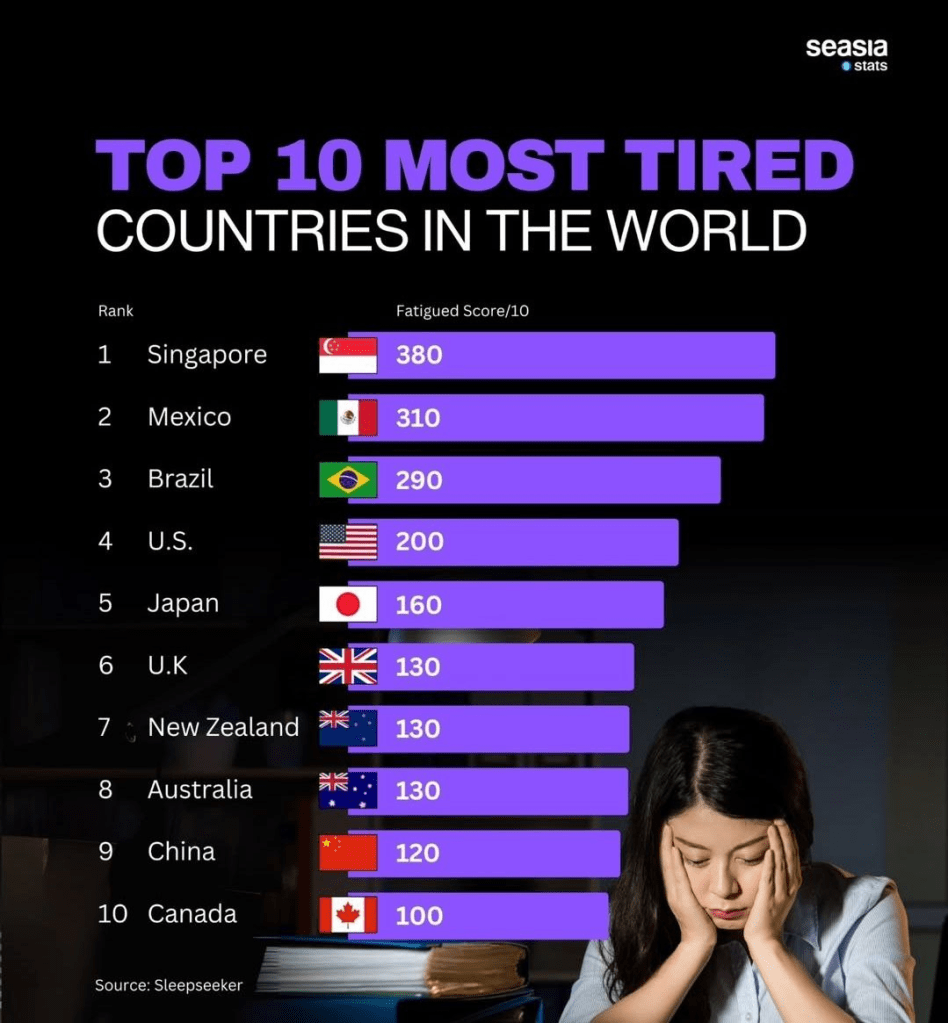
Singapore, according to Sleepseeker has been ranked number one in the world as the most sleep deprived nation on earth.
Factors leading to Sleep Deprivation
From a study from LKYSPP they mention why Singaporeans are not getting enough sleep.
For students and youth, their sleep deprivation is likely due to inadequate rest to meet early start times at school. Among factors that can worsen this is the constant use of digital devices and addiction to gaming which eats into time required for revision, and peer pressure to stay up late. Adolescents who do not obtain sufficient sleep are likely to be overweight due to lack of engagement in daily physical activity, suffer from depressive symptoms and engage in risky behaviours like drinking, smoking tobacco, or using illicit drugs. They may also underperform in school. A study by Duke-NUS Medical School showed that among undergraduates, early morning classes were linked to lower grades and attendance.
PUBLIC SERVICE ANNOUNCEMENT : SLEEP IS IMPORTANT
Sleep is crucial for overall health and well-being as it allows the body to repair itself, consolidate memories, regulate emotions, and maintain important bodily functions like metabolism and immune response; essentially, it’s a time for the brain and body to rest and restore, impacting everything from cognitive abilities to physical health, with inadequate sleep increasing the risk of chronic diseases like diabetes, heart disease, and depression.
Here are the benefits to getting a goods night rest
- promotes growth.
- helps heart health.
- supports weight management.
- helps combat germs and keep your immune system strong.
- reduces risk of injury.
- increases attention span.
- boosts memory and learning.
If you don’t sleep you are at risk of the following
Difficulty concentrating and making decisions, Decreased energy levels, Irritability and mood swings, Weakened immune system, and Increased risk of chronic diseases like diabetes and heart disease.
The consequences of chronic sleep deprivation are far-reaching. Health complications such as heart disease, hypertension, stroke, obesity, and depression have been linked to insufficient sleep. Moreover, sleep deficiency can lead to increased accidents, impaired cognitive functions, and decreased productivity, which can have broader economic implications for the country.
WHY ARE WE LIDDAT?
But Why are we like this ? Why do Singaporeans not got enough sleep? Well it may not be entirely the fault of the individual citizen but the environment that we live in.
Singaporeans are among the most sleep-deprived populations globally, with various factors contributing to this pervasive issue. A survey by market research firm YouGov revealed that 54% of Singaporeans sleep less than seven hours a night, placing Singapore among the top sleep-deprived nations.
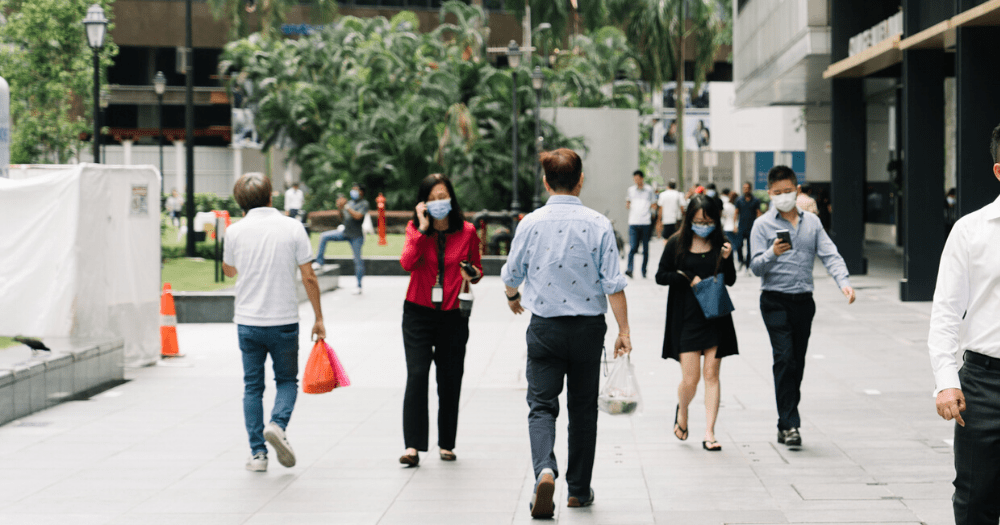
One significant contributor to sleep deprivation in Singapore is the demanding work culture. Long working hours, coupled with the expectation to be constantly available, blur the boundaries between professional and personal life. This often leads individuals to sacrifice sleep to meet work obligations. The COVID-19 pandemic has further exacerbated this issue, as the shift towards remote work has made it challenging for many to delineate work and rest periods.

Technological distractions also play a crucial role. The pervasive use of smartphones, social media, and online gaming, especially before bedtime, can delay sleep onset and reduce overall sleep duration. A study by SingHealth Polyclinics found that individuals who use mobile devices in bed or in the bedroom are more likely to experience insufficient sleep.
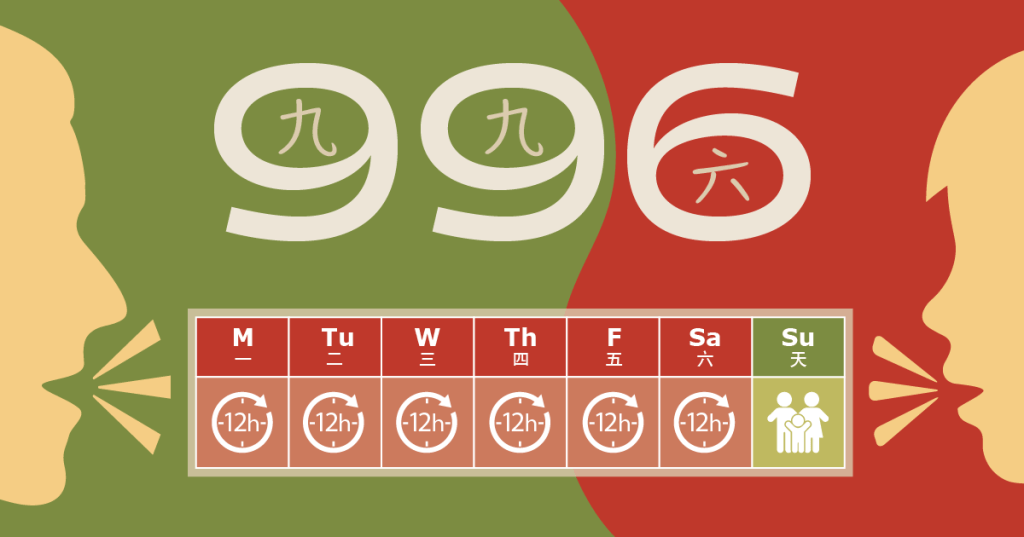
Cultural attitudes towards sleep further compound the problem. In Singapore, there is a tendency to prioritize productivity and social engagements over rest. I am aware that the picture above is from Mainland China’s work ethic with them working 12 hours for 6 days a week. Singapore is not much better with some blue collar workers working half days on saturday too.
Sleep is often viewed as expendable, leading individuals to stay up late to reclaim personal time after fulfilling work and family responsibilities—a phenomenon known as “revenge bedtime procrastination.”
Health-related issues, such as obstructive sleep apnea (OSA), also contribute to sleep deprivation. OSA is a respiratory condition that interrupts sleep and is prevalent among Singaporeans. Individuals with OSA experience disrupted sleep due to breathing difficulties, leading to poor sleep quality and daytime fatigue.
Addressing sleep deprivation in Singapore requires a multifaceted approach. At the policy level, initiatives such as delaying school start times have been suggested to allow students more rest, thereby improving their academic performance and overall well-being.
Demanding work schedules, revenge bed time procrastination, cultural norms of work are one of the main drivers to Singapore’s silent sleep epidemic. We should probably start to understand that working long hours does not equate to getting more work done.
References
https://lkyspp.nus.edu.sg/gia/article/sleep-deprivation-in-singapore-a-public-health-crisis