Singapore’s political system has long been associated with stability, progress, and efficiency. Dominated by the People’s Action Party (PAP) since independence, the country has achieved remarkable economic success and social harmony.

However, with rising societal expectations and calls for greater inclusivity, the time for political reform is now being widely discussed.
Let’s take a closer look at the political landscape in Singapore, the issues at hand, and what can be done to move forward.
The Role of Political Dominance in Singapore
For more than five decades, the People’s Action Party (PAP) has held power in Singapore. While its governance has been key to Singapore’s development into a global hub, the dominance of one party has raised questions about accountability and diverse representation.
Legacy and Success of the People’s Action Party
The PAP is often credited with Singapore’s transformation from a struggling nation to one of the most developed economies in the world.
Its results-driven governance includes policies on education, urban development, and economic growth. Many Singaporeans continue to trust the party because of its efficient governance and focus on long-term results.
But does long-standing success mean that the current political system is flawless? Certainly not. Critics argue that the continuous dominance stifles political innovation and discourages robust policy debates.
For example, observers note that decisions on contentious issues like housing affordability and citizen welfare often lack alternative perspectives.
Opposition Parties Gaining Traction
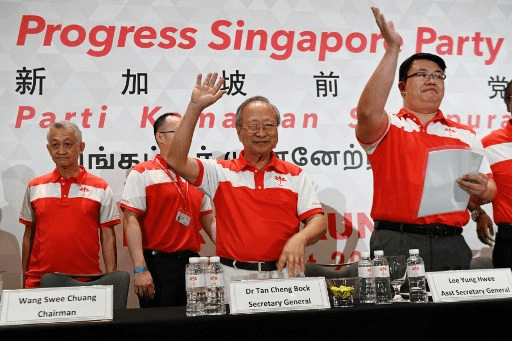
In recent years, parties like the Workers’ Party (WP) and Progress Singapore Party (PSP) have emerged as compelling alternatives. They’ve gained ground primarily due to dissatisfaction with the status quo and a younger electorate seeking more diverse viewpoints.
These parties are gradually challenging the monopoly of PAP, showing that Singaporeans want more voices in the governance of their country. For a more detailed analysis of how these changes might reshape Singapore, refer to New Generation Drives Political Change in Singapore.
Challenges to Democratic Values
Even with evolving political dynamics, democratic freedoms in Singapore are still a topic of concern. Laws such as the Protection from Online Falsehoods and Manipulation Act (POFMA) and the Foreign Interference (Countermeasures) Act (FICA) have been criticized for potentially curbing free speech and assembly. According to the BTI 2024 Singapore Country Report, these measures have tightened control over public discourse, raising questions about their broader implications for civic rights.
Key Areas for Reform in Singapore’s Political System
To build a more inclusive and balanced political environment, Singapore must address systemic challenges. Here’s where the focus should be.
Freedom of Expression and Press Independence

Singapore’s media landscape is often described as tightly regulated. Critics argue that this restricts critical journalism and open discussions. To foster a more informed electorate, the government could consider reducing its influence on mainstream media and allowing more independent voices to flourish. Organizations like Freedom House have highlighted Singapore’s limitations in press freedom; see their 2021 Country Report for more insights.
Judicial and Legislative Balance
Another area for potential reform is ensuring judicial and legislative independence, particularly in politically sensitive cases. While Singapore’s judiciary is known for its integrity in commercial law, concerns have been raised about political oversight in cases that challenge the government. Strengthening these institutions could enhance public trust and safeguard democratic values.
Policies Addressing Discrimination and Social Equity
Singapore prides itself on multicultural harmony, but some gaps remain. Issues related to anti-discrimination laws, particularly against ethnic minorities, women, LGBT+ individuals, and foreign workers, need more attention. Addressing these concerns through targeted policies will not only enhance inclusivity but also reflect the progressive ideals of its younger population.
The Socio-Economic Impacts of Political Reforms
Political changes often come with questions about their broader societal and economic consequences. In Singapore, these reforms could offer significant benefits.
Economic Competitiveness Amid Political Change
Introducing reforms doesn’t mean compromising stability. In fact, a balanced political environment fosters innovation and boosts investor confidence. As Singapore tackles rising cost-of-living challenges, a more transparent and inclusive governance model will ensure economic policies address the needs of all social groups.
Social Harmony and Inclusivity as Political Priorities
Singapore’s unity is its biggest strength. Political evolution that emphasizes inclusivity can strengthen this harmony further. Addressing grievances from marginalized groups will not only create a more equitable society but also prepare Singapore to be a role model for inclusive governance on a global stage.

Conclusion
Singapore’s political landscape is at a crossroads. While its efficient governance model has driven extraordinary progress, the current system could benefit from greater inclusivity and democratic principles. By addressing restrictions on free expression, ensuring judicial independence, and crafting policies that reflect societal diversity, Singapore can set an example as a nation that balances governance efficiency with democratic values. The time for reform isn’t just approaching—it’s already here. For more, read about the shifts in the political environment at Singapore’s New Prime Minister Entangled in Old Politics.