

The political landscape of the West has undergone a seismic shift over the past decade. Populist leaders and movements are reshaping democracies, questioning traditional alliances, and challenging the dominance of elite institutions. From Donald Trump’s presidency in the United States to Brexit and the surge of far-right parties in Europe, populism is not merely a passing trend—it’s a redefinition of power and representation.
Defining Populism and Its Core Principles

At its core, populism pits the common people against an elite class. It thrives on anti-elitism, nationalism, and a deep connection to voters who feel their voices have been ignored. Populist leaders brand themselves as advocates of “ordinary” citizens, often attacking the media, globalist organizations, and establishment politicians.
Nationalism plays a prominent role. Populist platforms frequently emphasize protecting national identity, often through hardline stances on immigration and sovereignty. Economic protectionism also features heavily, with policies aimed at reducing dependence on international markets.
For a more detailed exploration, Harvard Kennedy School provides insight into why populism continues to rise in the West here.
The Origins of Modern Populism in the West
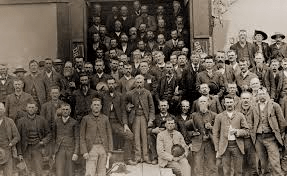
While populism isn’t new, its modern resurgence has origins dating back to the 20th century. Economic and cultural shifts following the post-war era laid the groundwork. Crises such as the 2008 financial crash and the political discontent it fueled set the stage for today’s movements.

In the U.S., populism dates back to the late 1800s with agrarian movements like the People’s Party. Europe saw similar waves during times of upheaval, with leaders offering simplistic solutions to complex problems.
Key Characteristics of Populist Movements
Populism sets itself apart through distinctive traits:
- Anti-elitism: Criticizing the wealthy and politically powerful as corrupt and disconnected from the people.
- Nationalism: Highlighting pride in national sovereignty over international collaboration.
- Economic Protectionism: Promoting policies like tariffs and resisting free trade to safeguard jobs and industries.
For an analysis of these characteristics, consult Annual Reviews’ guide on what drives current populist movements.
Factors Driving the Rise of Populism in the West

Janine Wiedel Photolibrary / Alamy Stock Photo
Populism’s appeal often stems from tangible societal grievances. Changing cultural identities, rising inequality, and institutional distrust have all contributed to its growth.
Cultural Insecurity and Identity Politics
Cultural anxieties are central to the populist narrative. Movements opposing immigration, globalization, and multiculturalism resonate with voters concerned about losing traditional values. National identity is often reframed as being under threat, stoking fears and amplifying division.
This sentiment played a critical role in events like Brexit. As Britain voted to leave the European Union, many cited national sovereignty and reducing immigration as key reasons. Explore this connection further in the London School of Economics’ insights.
Economic Grievances and Inequality
Globalization’s promise hasn’t been equally distributed. Wage stagnation, outsourcing, and declining manufacturing jobs anger many working-class voters. These grievances are often channeled into support for leaders pledging to safeguard “forgotten” workers.
For example, Trump’s 2016 campaign capitalized on frustration in U.S. industrial states, aligning himself with voters who felt left behind by trade deals and automation.
Distrust in Established Political Institutions
Corruption scandals and bureaucratic inefficiency have also fueled discontent. Many see traditional political parties as indifferent to their concerns, creating a vacuum for populist voices. Suspicion of organizations like NATO and the EU dominates populist rhetoric, further isolating these democracies.
Case Studies of Populism in Western Countries
Each Western democracy experiences populism differently, influenced by cultural and political context.
Donald Trump and the United States
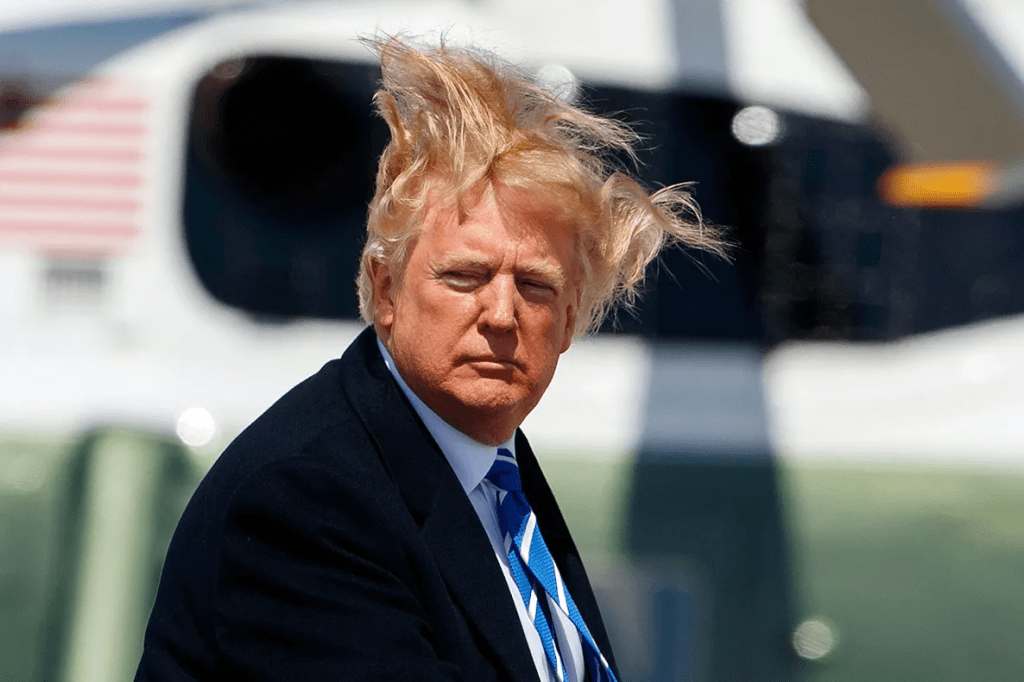
Trump’s presidency was arguably the most significant populist event of recent decades. Promising to “drain the swamp,” Trump built his base on nationalism, trade protectionism, and skepticism toward institutions. His influence is ongoing, as seen in analyses like Foreign Policy’s report on the role of right-wing populism in reshaping the U.S. political spectrum here.
The Far-Right in European Nations

Europe has seen an upsurge in hard-right populist parties. Figures like Marine Le Pen in France or Viktor Orbán in Hungary embrace anti-immigrant policies and cultural conservatism. In many cases, their platforms revolve around rejecting EU authority and reinforcing national sovereignty.
The United Kingdom: Brexit and Beyond
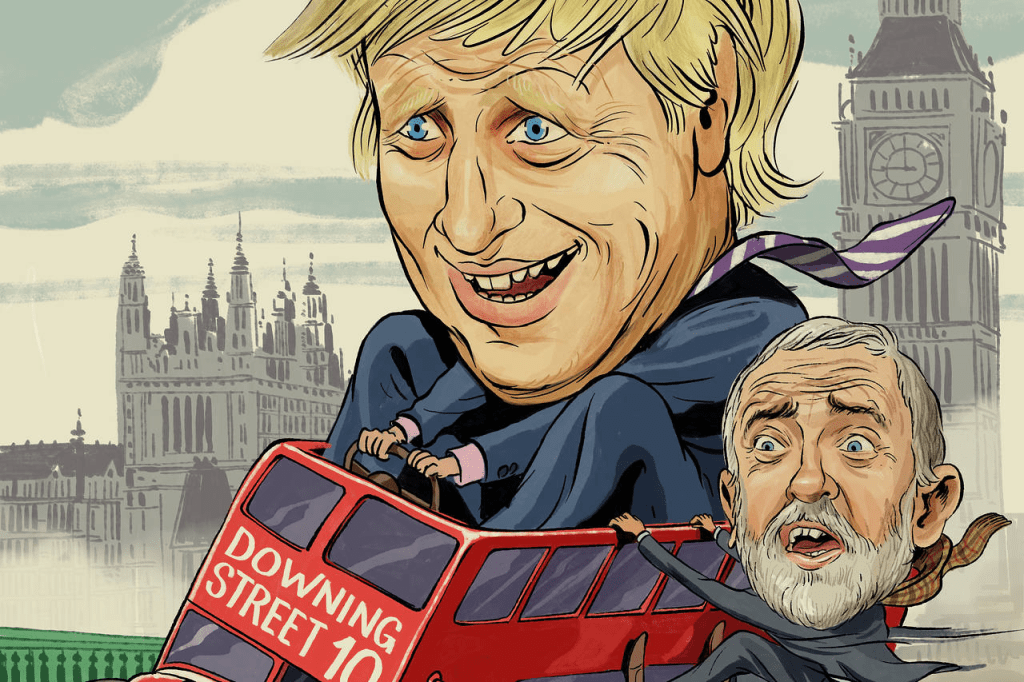
The 2016 Brexit vote epitomized populism. Frustrations with Brussels’ oversight, combined with powerful nationalist rhetoric, propelled the movement to victory. Today, the UK still grapples with populism’s continuing influence on governance and decision-making.
Populism’s Impact on Liberal Democracies

While populist movements claim to represent “the people,” their rise poses serious challenges to democratic norms.
Challenges to Political Stability
Populism frequently disrupts governance. By breaking traditional party alignments, it can create deadlock in legislatures. Policies driven by populist sentiment often lack detailed planning, leading to economic or diplomatic instability.
Erosion of Trust in Globalist Institutions
Populists have undermined institutions like the EU and NATO, labeling them as elitist. This has weakened cohesive international strategies on issues like security and climate change.
For examination of populism’s global influence, look into the Friday Times’ analysis.
The Future of Populism in the West

Populism is unlikely to disappear but its trajectory remains uncertain. It very well may be on the rise. We might once again live in a isolated and populist world in contrast to our current world order.
Potential Paths for Populist Movements
Populist leaders might solidify their influence by restructuring political systems to favor executive power. Alternatively, public disillusionment with unfulfilled promises could curb their momentum.
Strategies for Countering Populism
Liberal democracies must address the root causes of populist anger. Economic reform, transparent governance, and bridging cultural divides are key to countering its appeal. Lessons learned can offer strategies for managing this growing political force.
Conclusion
Populism’s rise in the West reflects deeper societal shifts—economic discontent, cultural anxiety, and institutional distrust. As these movements shape policies and alter alliances, their impact on liberal democracies will remain profound. Understanding the roots and effects of populism is crucial to crafting a better future, where governments effectively represent all citizens.




One response to “Understanding the Rise of Populism in the West”
Thanks for liking my post about billionaires and Achilles’ heels. I’m just starting out on here and wondered if you could share where you came across it? I am also going onto Substack this week, and there are other articles on there joannamilne.substack.com. Many thanks in advance.
Joanna
LikeLike