
Singapore has long been recognized for its meticulous urban planning and forward-thinking policies. Yet, as the world confronts the climate crisis, even a small city-state like Singapore faces immense challenges in cutting down emissions while ensuring continued growth. Guided by its commitment to the Paris Agreement and a goal of achieving net-zero emissions by 2050, Singapore is taking concrete steps to reshape its emissions landscape. However, this journey is far from straightforward.
Singapore’s Emission Landscape
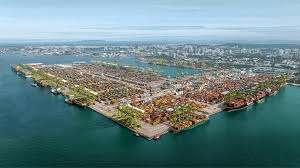
Singapore’s emissions have historically been influenced by its status as a global trade hub and thriving economy. Although the country contributes just 0.1% of global greenhouse gas emissions, its per-capita emissions remain relatively high due to a dense population and a reliance on natural gas for electricity.
Key Sources of Emissions in Singapore
The lion’s share of Singapore’s emissions comes from three main sectors:
- Electricity Production: Over 94% of Singapore’s electricity is generated using natural gas. As a city with limited land, it’s challenging to adopt large-scale renewable energy solutions like wind farms.
- Industry: With a significant petrochemical and manufacturing sector, industrial processes account for a notable percentage of emissions.
- Transportation: Singapore’s extensive use of private and commercial vehicles has also contributed significantly, although recent government initiatives aim to transition to cleaner options.
Emission Trends Over the Years
In recent years, there has been incremental progress. Singapore’s greenhouse gas emissions peaked at around 64.43 million tonnes of carbon dioxide equivalent (MtCO2e) in 2028, with levels starting to decline. In 2022, emissions stood at about 58.59 MtCO2e. The goal is to reduce this further to between 45 and 50 MtCO2e by 2035—a crucial stepping stone toward achieving net-zero by 2050.
National Policies and Commitments

Singapore’s commitment to reducing emissions is grounded in both local policies and its obligations under international climate agreements.
Carbon Tax Implementation
One of Singapore’s most notable initiatives is its carbon tax, introduced in 2019. It initially set a modest rate but will rise from SGD 25/tCO2e ($19) in 2024 to SGD 50-80/tCO2e ($38-60) by 2030. While the tax aims to push industries toward sustainable practices, critics argue it remains lower than the levels needed to meet a 1.5°C global warming target.
Net Zero by 2050 Plan
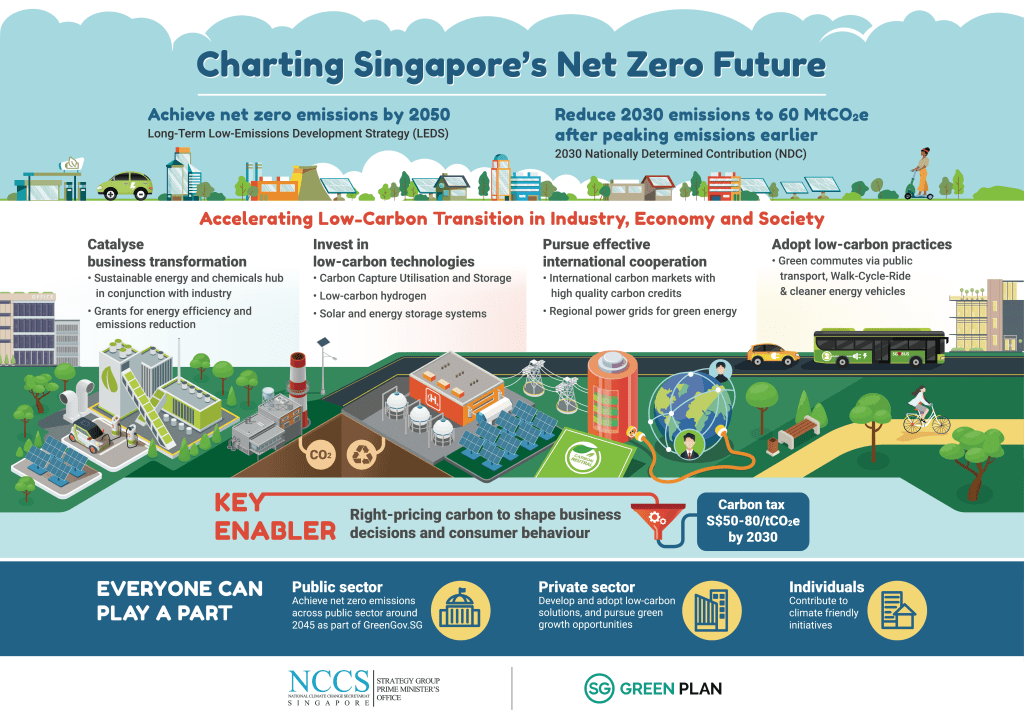
Achieving net-zero emissions by 2050 is a cornerstone of Singapore’s climate strategy. This involves reducing overall emissions while compensating for the remainder through carbon capture, storage, or offsets. The blueprint includes increasing renewable energy imports and scaling up local decarbonization technologies.
Sector-Specific Decarbonization Strategies
Different sectors in Singapore are pivoting toward sustainability to support national goals.
Energy Sector: Transitioning to Renewables

Singapore is betting on solar power as a leading energy source. Floating solar panels on reservoirs are becoming integral due to limited land availability. Additionally, the nation plans to import up to 4 GW of low-carbon electricity by 2035, potentially supplying about 30% of its energy needs.
Transportation: Embracing Electrification
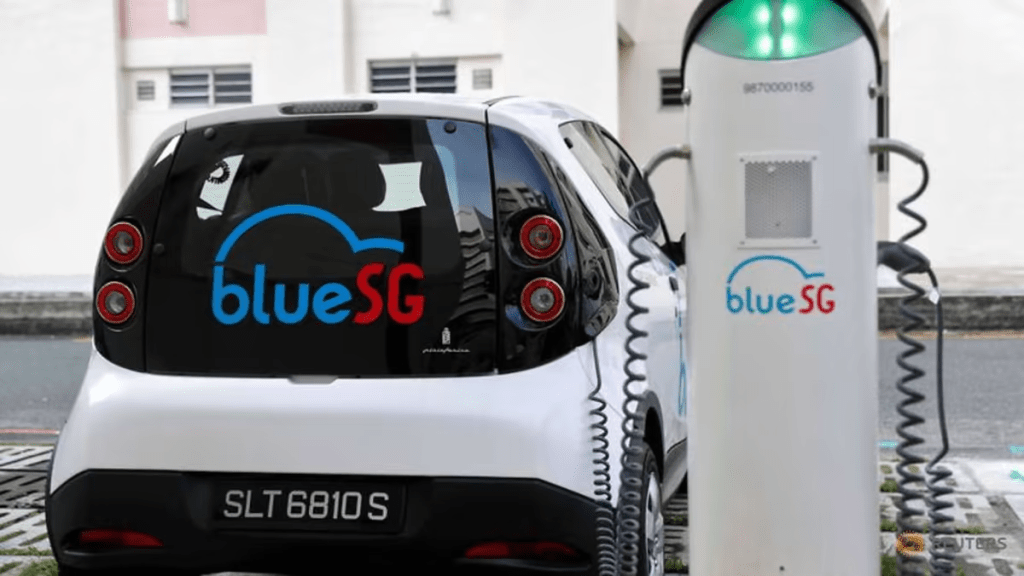
The government has invested heavily in electrifying the transportation network. EV incentives, such as rebates on cleaner vehicles and charging infrastructure expansion, are helping Singapore phase out internal combustion engine (ICE) vehicles by 2040.
Buildings and Industries: Increasing Energy Efficiency
Buildings and industrial facilities are adopting the Green Mark certification to improve energy consumption. Energy-efficient retrofitting and better construction materials significantly reduce emissions in urban environments.
Collaborative Efforts and Global Impact
Singapore recognizes that tackling climate change requires more than domestic action. It’s ramping up international collaborations to amplify its impact.
Regional Partnerships in Decarbonization
The exploration of renewable energy hubs, including green hydrogen production, is gaining momentum. Singapore is also leading projects in Southeast Asia to integrate regional electricity grids and share renewable energy resources.
Singapore’s Fair Share in Global Mitigation
Singapore’s efforts align with the Intergovernmental Panel on Climate Change (IPCC) recommendations to some extent. However, the Climate Action Tracker has flagged its plans as “Highly Insufficient” due to its reliance on fossil fuels and relatively low carbon tax rates.
Conclusion
Singapore has made meaningful progress, but significant hurdles remain. From limited land for renewable energy projects to dependence on fossil fuels, the path to net-zero isn’t simple. That said, ongoing investments in carbon pricing, renewable imports, and energy efficiency show the government’s commitment to sustainable development. To play a fair share in the global mission of curbing climate change, Singapore must not only meet its ambitious goals but also inspire other nations to follow suit. The next few decades will reveal just how adaptable and resourceful this island nation can be in the fight against climate change.