Valentine’s Day has evolved into a celebration of love, affection, and connection worldwide. Whether through heartfelt letters, romantic dinners, or grand gestures, it is now synonymous with romance.
But how did a simple day in February come to mean so much? Let’s explore its fascinating origins and transformation over centuries.
Ancient Roman Origins of Valentine’s Day
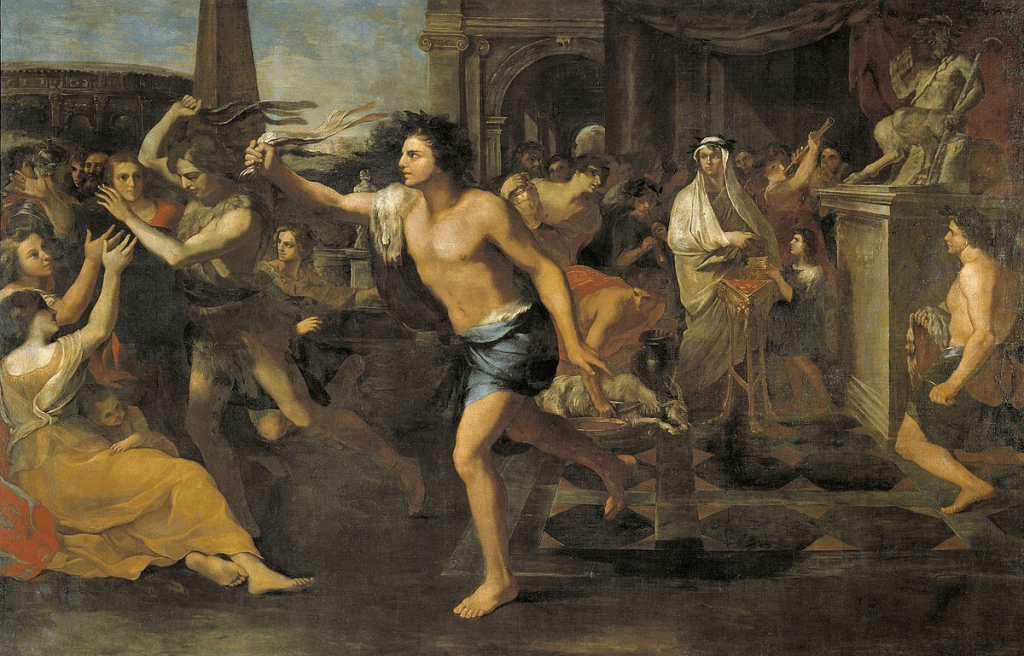
The Festival of Lupercalia
Valentine’s Day may trace its roots to Lupercalia, a raucous Roman festival held every February 15. Celebrated in honor of fertility and purification, Lupercalia revolved around rituals meant to bestow health and fertility onto the community. Priests would sacrifice goats and dogs as symbols of purity, and women would line up to be “gently slapped” with animal hides, believing it would increase their fertility.
This mid-February event also included a matchmaking tradition, with men and women pairing up for the duration of the festival—or even longer.
While Lupercalia was anything but romantic by modern standards, the seeds of coupling and love-related customs were firmly planted. Learn more about Lupercalia’s peculiar traditions.
Transition from Paganism to Christianity
With the rise of Christianity, Roman and pagan traditions often collided. Lupercalia, seen as incompatible with Christian values, was abolished in the late 5th century by Pope Gelasius I.
He replaced it with a feast honoring St. Valentine on February 14. While the connection to love was not immediate, this was a critical step in transitioning the day toward its modern form.
The Legend of St. Valentine

Multiple Figures Named Valentine
The name “Valentine” refers to multiple martyred saints in early Christianity. The most famous stories revolve around two figures: one Valentine who defied Emperor Claudius II’s ban on marriages by secretly performing weddings, and another who aided persecuted Christians.
Both allegedly met tragic fates, martyred for their faith.
Key Legends and Stories
According to legend, one Valentine signed his final letter before execution as “Your Valentine”—an act believed to symbolize selfless love.
Over the centuries, these stories morphed into romantic tales that inspired future generations. Some suggest Valentine’s Day was established to honor these heroic figures of love and compassion. Discover more about St. Valentine’s story.
The Medieval Romantic Connection
Chaucer’s Role in Romanticizing the Day
Medieval literature played a key role in associating Valentine’s Day with romantic love. Geoffrey Chaucer, one of England’s most famous poets, wrote “Parliament of Fowls” in the 14th century.
In this poem, he tied the day to courtly love and romantic partnerships. This was pivotal in popularizing the idea of Valentine’s Day as a celebration of romantic affection.
The Tradition of Early Valentine Notes
By the Middle Ages, it became customary to exchange handwritten notes on Valentine’s Day. These early valentines often contained poetic lines, heartfelt expressions, or declarations of love.
This tradition grew, particularly in England and France, laying the groundwork for today’s cards and messages.
Modern Commercialization and Global Popularity

Esther A. Howland and Mass-Produced Valentines
Valentine’s Day as we now recognize it began to take shape in the 19th century. Esther A. Howland, known as the “Mother of the American Valentine,” revolutionized the holiday by introducing mass-produced Valentine cards.
Decorated with lace, ribbons, and colorful illustrations, her cards became immensely popular, transforming the day into a commercial success. You can read more about the cultural impact of early Valentine’s cards from this detailed resource.
Global Traditions and Celebrations
Today, Valentine’s Day is celebrated globally, but customs vary from one culture to the next.
In Japan, women gift chocolates to men, while in some Latin American countries, it’s as much about friendship as romance. Meanwhile, Scandinavians exchange pressed white flowers called ‘snowdrops.’ While commercial aspects dominate in many countries, the heart of Valentine’s Day remains rooted in personal expressions of affection.
Conclusion
From the ancient Roman rituals of Lupercalia to the heartfelt traditions of medieval Europe, and eventually to its modern status as a commercial giant, Valentine’s Day has taken a fascinating journey.
It has shifted forms, embraced diverse cultures, and stood the test of time as a day devoted to love and connection. Regardless of how it began, the day continues to inspire people across the globe to celebrate love in all its forms. For more on how this holiday became what it is today, consider this exploration of its history and traditions.