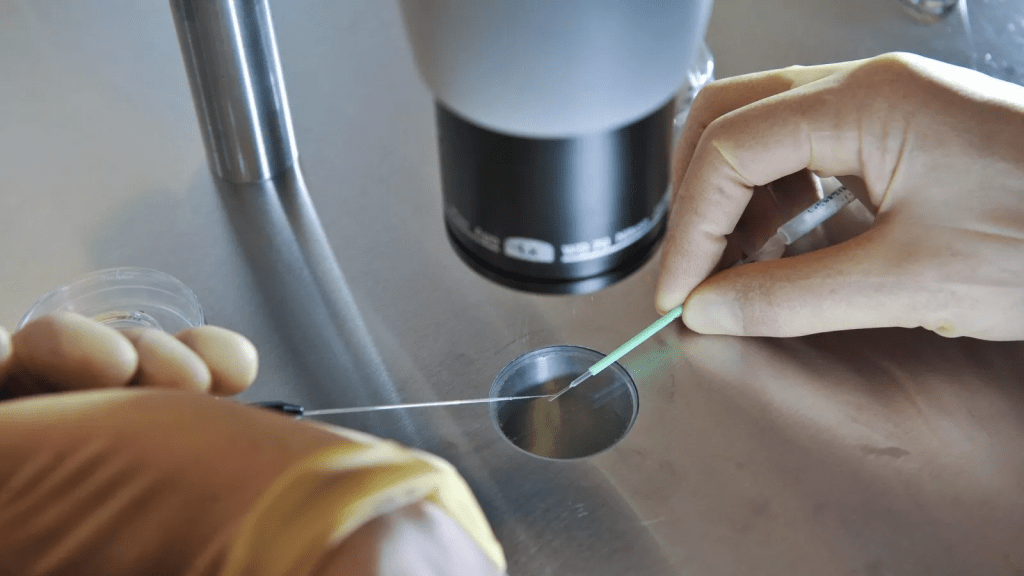
Illegal human trafficking operations take many sinister forms, but a recent case in Georgia has shocked the world with its sheer cruelty. A group led by Chinese gangsters was found to be operating a slave camp where women, primarily from Thailand, were forced to undergo repeated medical procedures for egg harvesting. The discovery has brought to light one of the darkest corners of the global trafficking underworld, emphasizing the urgent need for action.
The Human-Egg Harvesting Operation: An Overview

At the heart of this operation was a deceptive scheme targeting vulnerable women. These women were promised lucrative jobs but instead found themselves trapped in conditions that defy basic human rights. The goal of this criminal enterprise? Harvest and sell human eggs, a commodity in high demand for fertility treatments.
Recruitment and False Promises
Thai women were the primary victims of this heinous scheme. Under the guise of high-paying surrogacy opportunities, the gangsters lured these women with false promises. Many were desperate for economic stability, a vulnerability that the traffickers exploited. According to NDTV, the traffickers were meticulous in their approach, ensuring the women believed they were stepping into a legitimate job opportunity.
Conditions and Exploitation
Once inside the operation, the reality was horrific. Victims were confined in isolated facilities, often described as camps, where they were subjected to harsh conditions. They were fed hormones to prepare for egg harvesting and treated with little care for their health or well-being. A report from Hindustan Times reveals how women were treated like commodities, undergoing repeated invasive procedures without adequate medical attention or consent.
The End Destination for Harvested Eggs
The eggs harvested from these women were likely sold on the black market for use in in-vitro fertilization (IVF) procedures. While IVF has helped countless individuals achieve parenthood, the darker side of the industry opens the door for illegal operations like this one. The global demand for eggs has far-reaching implications, fueling operations that prey on the most vulnerable. Reports suggest the eggs were distributed across multiple countries, making this a transnational crime.
The Role of the Criminal Network

The human-egg harvesting scheme uncovered in Georgia is a disturbing example of modern slavery. It was orchestrated by a well-coordinated criminal network with ties to the Chinese mafia, demonstrating just how sophisticated these operations can be.
International Scale of the Criminal Enterprise
This wasn’t a localized crime; it spanned borders. Women were recruited in Thailand, trafficked through various countries, and exploited in Georgia. The operation’s complexity points to collaboration at an international level. As Newsweek highlights, the gang utilized loopholes in international laws to smuggle victims and avoid detection.
Sophistication and Coordination
Such criminal networks thrive on meticulous planning and the inability of authorities to act quickly. This operation required coordination between different countries for recruitment, transit, and confinement. The traffickers used fake documents, exploited lax regulations, and ensured their victims had no way to escape or seek help.
Efforts to Address the Crisis
While the operation remained undetected for some time, a few brave individuals and organizations played critical roles in exposing this tragedy.
Intervention by Thai Authorities and NGOs
The freedom of three Thai women marked a turning point. Their rescue was made possible through the efforts of the Pavena Foundation, an NGO actively combating human trafficking. Their intervention, along with the Thai government’s collaboration, highlighted how coordinated action can save lives.
Georgian Legal Reforms
The operation has also spurred discussions about legislative changes in Georgia, particularly regarding commercial surrogacy. The country is now considering stricter regulations to combat similar crimes. Implementing a ban or stricter oversight could make it harder for such operations to thrive in the future.
The Bigger Picture of Human Trafficking

This case is a harrowing example of a much larger issue—human trafficking. The exploitation of vulnerable women for economic and reproductive purposes underscores the urgent need to address systemic failures.
The Exploitation of Vulnerable Women
Women from impoverished backgrounds or difficult circumstances remain the primary targets of trafficking networks. Promises of high earnings and better lives are illusions used to trap them. This case is a chilling reminder of how traffickers manipulate and exploit their victims, turning them into tools for profit.
Needed Global Cooperation
Human trafficking knows no borders. Fighting it requires a concerted effort across governments, NGOs, and international bodies. Stricter laws, better enforcement, and global collaboration are essential. Organizations like Europol have been working to dismantle such criminal networks, but more needs to be done.
Conclusion
The discovery of the human egg harvesting operation in Georgia is an urgent wake-up call. It highlights the lengths criminals will go to exploit vulnerable individuals for profit. Addressing this issue requires determination, stricter regulations, and a unified global response. Only then can we hope to protect those most at risk and dismantle the networks that thrive on exploitation.