Love is one of the most profound emotions, but unfortunately, some use it as a tool for deception. Love scams, also known as online romance fraud, have become a growing concern in Singapore. These scams leave victims not only heartbroken but also financially drained. With scammers getting increasingly crafty, it’s crucial to understand how they operate and how to protect yourself.
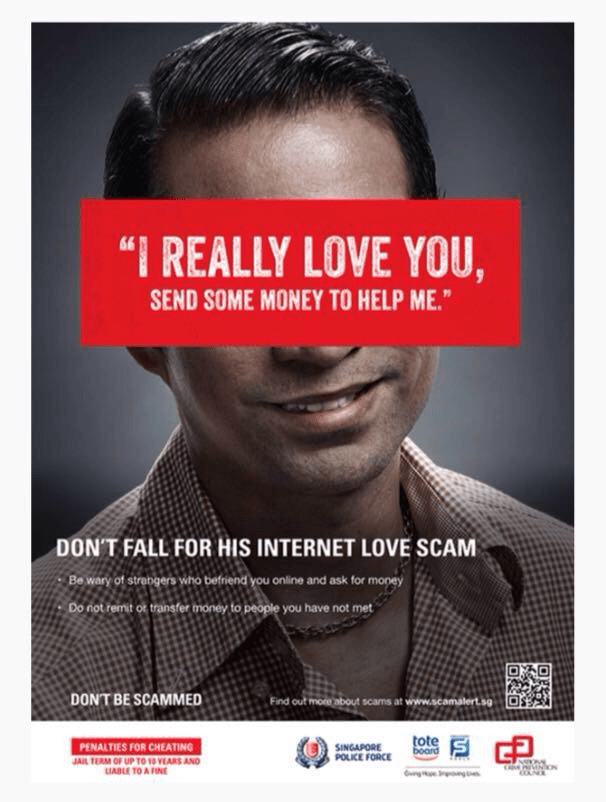
Singapore Police Force
What Are Love Scams?
Love scams are fraudulent schemes where scammers pose as romantic prospects to deceive individuals emotionally and financially. These scams often start with scammers creating fake profiles on online platforms to connect with their targets. They trick victims into believing they’ve found genuine companionship only to exploit their trust later.
Online romance fraud operates on emotional manipulation, making victims feel a strong connection before asking for money or personal information. While love scams aren’t new, their prevalence has surged with the rise of social media and dating apps.
How Love Scams Work

Love scams follow a deliberate and well-planned process. Here’s how scammers typically operate:
- Creating Fake Profiles: Scammers use stolen photos, often of attractive individuals, to craft fake profiles on dating apps or social platforms. These profiles are designed to appeal to potential victims.
- Building Emotional Connections: Once contact is made, scammers invest significant time in messaging and building rapport. They express affection quickly, often using sweet talk and promises of long-term commitment.
- Exploiting Trust: After gaining the victim’s trust, scammers craft sob stories or emergencies. They may claim to need money for medical bills, travel costs to meet the victim, or other fabricated hardships.
- Disappearing Act: Once they’ve drained the victim financially, scammers abruptly cut off communication, leaving the victim heartbroken and confused.
Key Platforms and Methods Used
Scammers often target popular platforms to find potential victims. In Singapore, these include:

- Dating Apps: Widely-used platforms like Tinder, Bumble, and Coffee Meets Bagel have become magnets for romance scammers.
- Social Media: Facebook, Instagram, and LinkedIn are prime hunting grounds for scammers looking to connect with unsuspecting users.
- Messaging Platforms: Apps like WhatsApp, Telegram, and WeChat are used to maintain communication once the initial hook is set.
Knowing where scammers operate gives you an edge in spotting and avoiding them.
The Impact of Love Scams on Victims

The effects of love scams go far beyond empty bank accounts. Victims often endure significant emotional, psychological, and financial harm.
Just only recently, Singapore actor Laurence Pang lost over SGD$35,000 to an online love scam in the Phillipines, anyone is susceptible to these scams and you can’t blame them for making such mistake. He is only human, we crave social interaction.
Emotional and Psychological Damage
Love scams hit victims at their core—emotionally and mentally. The betrayal leaves feelings of shame, disbelief, and heartbreak. Many victims suffer from depression and anxiety, questioning their judgment and struggling to regain trust in others. For some, the emotional scars can last for years.
Financial Losses and Cases in Singapore
Financial losses from love scams in Singapore have been staggering. In 2022 alone, victims lost millions of dollars to scammers. Police reports highlight cases where individuals transferred their life savings, believing they were helping a loved one.
One high-profile case involved a professional woman who sent over $100,000 to someone she believed was an overseas businessman. By the time she realized it was a scam, the perpetrator had vanished, and recovering the money was impossible.
Common Red Flags to Watch For
The best defense against love scams is knowing what to look for. Here are some warning signs of potential romance scammers:
Behavioral Signs of Scammers

- Avoids Video or Voice Calls: Scammers often refuse face-to-face interactions, claiming poor connectivity or privacy concerns.
- Rushes Into Romance: Be wary of anyone professing love too quickly, even within days of chatting.
- Asks for Money: Scammers almost always bring up financial emergencies, painting themselves as victims needing urgent help.
- Inconsistent Stories: Their details may not add up, or they could evade questions about their background.
Language and Communication Style
Scammers usually rely on certain communication tricks to manipulate victims:

- Overly Romantic Language: They may shower you with extravagant compliments and declarations of love.
- Broken or Generic English: Poor grammar, unnatural phrasing, or copying and pasting text can hint at fraudulent intent.
- Emotional Manipulation: Scammers use guilt, pity, or urgency to pressure their targets.
Steps to Prevent and Report Love Scams
Protecting yourself starts with staying informed and cautious. If you suspect a scam, knowing what steps to take can make all the difference.
How to Protect Yourself Online
- Verify Profiles: Search for reverse images of profile photos to check if they’re stolen or linked to multiple accounts.
- Keep Personal Info Private: Avoid sharing sensitive details until you’re certain about someone’s identity.
- Question Unusual Requests: If someone asks for money or gifts, stop and consider whether their story makes sense.
- Meet in Person: Before committing emotionally, arrange to meet in a safe, public place. If they refuse, it’s a red flag.
Reporting Scams to Authorities
If you’ve been targeted, report the incident to protect yourself and prevent others from falling victim. In Singapore, you can:
- Contact the National Crime Prevention Council (NCPC).
- File a report with the Singapore Police Force’s Scam Alert service.
- Share details via anti-scam hotlines to spread awareness and aid investigations.
Taking these steps won’t necessarily recover lost money, but it will help authorities combat the issue and warn others.
Conclusion
Love scams are a heartbreaking reality for many Singaporeans, but awareness and vigilance are powerful tools to combat them. Always trust your gut—if something feels off about an online relationship, it often is. Protect yourself and others by sharing this knowledge and staying cautious when connecting with people online. By staying alert, you can avoid falling victim and help others stay safe too.