Justin Trudeau became Canada’s youngest prime minister in 2015, bringing a message of hope, change, and progress. His Liberal Party captured the attention of Canadians with promises of inclusivity, environmental action, economic support for the middle class, and a renewed commitment to reconciliation with Indigenous peoples. Over the past decade, Trudeau’s leadership has seen some significant policy achievements—and controversies—that have shaped Canada’s future. Here’s a closer look at five key areas that defined his tenure.
Climate Action and Environmental Policies

One of Trudeau’s signature promises was to take bold steps against climate change. His government introduced sweeping policies to curb emissions and invest in renewable energy while navigating pushback from opposing parties and provinces.
Carbon Pricing and the National Carbon Tax
The introduction of a national carbon tax remains one of Trudeau’s most debated policies. In 2019, his government implemented a plan requiring provinces to establish their own carbon pricing or adopt a federal backstop. This policy was designed to reduce greenhouse gas emissions by making polluters pay, creating incentives for businesses and individuals to adopt greener practices.
While many environmentalists praised the initiative, the policy faced significant resistance. Several provinces challenged the carbon tax in court, arguing it overstepped federal authority. Despite criticism, it’s credited with encouraging cleaner energy use and advancing Canada’s climate goals. The tax also included rebates, returning money directly to households to offset costs, which helped ease public concern.
Investments in Clean Energy

Beyond carbon pricing, Trudeau’s government invested billions in clean energy programs. From wind and solar projects to electric vehicle infrastructure, the focus has been on transitioning Canada away from fossil fuels. The Canada Infrastructure Bank was a key player, funding renewable energy research and green infrastructure projects.
These investments aimed to position Canada as a global leader in clean energy while creating new jobs in the sector. However, critics argue that continued support for oil pipelines, like the Trans Mountain expansion project, contradicts these goals, sparking debates about balancing economic priorities with environmental ambitions.
Social and Cultural Reforms
Diversity and inclusion have been cornerstones of Trudeau’s political brand. His government championed several progressive policies that reshaped Canada’s social and cultural landscape.
Legalization of Recreational Cannabis

In 2018, Trudeau’s government legalized recreational cannabis, making Canada the first G7 country to do so. This landmark policy aimed to reduce the illicit market while introducing strict regulations to ensure safety and public health. Adults gained legal access to purchase cannabis from licensed retailers, but rules around possession and use varied by province.
The cannabis industry quickly grew, contributing to the economy through taxation and job creation. However, not all outcomes were rosy. Some provinces struggled with supply shortages, and concerns persisted about impaired driving and youth access. Even so, Trudeau’s legalization plan remains a historic moment in Canada’s social reform history.
Efforts Toward Indigenous Reconciliation
Indigenous reconciliation has been a recurring theme throughout Trudeau’s time in office. His government committed to implementing the Truth and Reconciliation Commission’s calls to action, addressing longstanding issues such as clean drinking water, residential school legacies, and land claims.
One critical milestone was ending most long-term drinking water advisories in Indigenous communities, though some remain unresolved. Trudeau also created the National Day for Truth and Reconciliation, a statutory holiday to honor victims of residential schools. Yet, many Indigenous leaders have voiced frustration over slow progress, calling for more concrete action on systemic issues.
Economic Policies and Middle-Class Growth
Trudeau’s economic platform centered on supporting the middle class while promoting inclusive growth. His government introduced measures to reduce child poverty, renegotiate trade agreements, and encourage innovation.
Introduction of the Canada Child Benefit
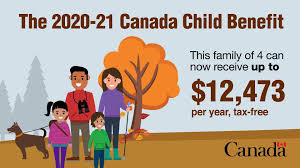
The Canada Child Benefit (CCB), launched in 2016, quickly became one of the Trudeau government’s flagship programs. This tax-free monthly payment provided financial support to families, scaling based on income levels. The goal? To lift children out of poverty and help parents afford basic necessities like food, clothing, and childcare.
The CCB delivered measurable results. Statistics Canada reported a decline in child poverty rates following its introduction, with many families reporting improved financial stability. Critics, however, questioned its long-term sustainability and argued that higher-income families should be excluded from benefits entirely.
Trade Agreement Negotiations

Trudeau’s government faced significant challenges when the United States pushed to renegotiate NAFTA, the longstanding trade agreement with Canada and Mexico. After tense discussions, the United States-Mexico-Canada Agreement (USMCA) was finalized in 2018.
While the new deal preserved much of NAFTA, it introduced changes to dairy market access and intellectual property rules. Trudeau’s handling of the negotiations showcased Canada’s ability to maintain key trade relationships in the face of protectionist pressures. Still, the agreement had mixed reviews, with some industries feeling left behind.
Public Health Policies and Pandemic Response
The COVID-19 pandemic became a defining moment for Trudeau’s leadership. His government responded with measures to protect public health and support Canadians through an unprecedented crisis.
National Vaccine Rollout Strategy

When vaccines were approved in late 2020, Trudeau’s government moved quickly to secure doses for Canadians. The federal government negotiated agreements with multiple manufacturers, ensuring a steady supply of vaccines despite global competition.
The rollout faced initial delays, especially compared to other countries, but ramped up significantly by mid-2021. Provinces were responsible for administering vaccines, and coordination between federal and provincial levels was crucial. By the end of the year, Canada ranked among the countries with the highest vaccination rates globally.
Mental Health Funding and Services
Recognizing the pandemic’s toll on mental health, Trudeau’s government increased funding for mental health services. This included additional dollars for counseling, crisis intervention programs, and resources to support underserved communities.
The impact of these investments is still unfolding, but they underscored growing recognition of mental health as a public health priority. Critics argue that more systemic changes are needed to address inequities across provinces and territories.
Immigration and Refugee Policies

Canada’s global reputation as a welcoming nation was reinforced under Trudeau’s leadership. His approach to immigration reflected both humanitarian values and economic goals.
Resettlement of Syrian Refugees
Early in his tenure, Trudeau made headlines by resettling over 25,000 Syrian refugees fleeing civil war. Images of him greeting refugees at airports became iconic, showcasing Canada as a compassionate leader on the world stage.
The initiative received widespread praise, though there were challenges integrating refugees into Canadian society, including housing shortages and access to jobs. Still, it cemented Canada’s role as a global advocate for displaced populations.
Modernization of Immigration Processes
Trudeau’s government also streamlined immigration pathways to attract skilled workers, reunite families, and fill labor shortages. Programs like Express Entry and the Global Talent Stream make it easier for businesses to bring in international talent. These updates aimed to strengthen Canada’s economy by addressing workforce demands in critical industries.
Conclusion
Justin Trudeau’s decade in power has marked a significant period of transformation for Canada. Policies on climate change, social reform, economic growth, public health, and immigration have left a lasting impact. While some measures were celebrated as progressive leaps forward, others sparked controversy and debate. As his leadership is debated in years to come, the legacy of his policies will undoubtedly shape Canada’s path forward.
Reference List
Business in Vancouver. (n.d.). The seven key pieces of Justin Trudeau’s political legacy. Retrieved January 14, 2025, from https://www.biv.com/news/the-seven-key-pieces-of-justin-trudeaus-political-legacy-10039900
Wikipedia contributors. (n.d.). Justin Trudeau. In Wikipedia. Retrieved January 14, 2025, from https://en.m.wikipedia.org/wiki/Justin_Trudeau