As Singapore heads toward its next General Election (GE2025), the political landscape appears more dynamic than ever. While the ruling People’s Action Party (PAP) remains dominant, shifts in voter sentiment, opposition strategies, and broader socio-political factors could make this election one of the most intriguing in recent history.
With issues such as economic uncertainty, cost-of-living pressures, governance transparency, and political engagement among younger voters gaining prominence, GE2025 could mark a turning point in Singapore’s political trajectory.

At its core, Singapore’s electoral system is shaped by a unique blend of majoritarian parliamentary democracy, political meritocracy, and valence politics. The PAP’s historical strength lies in its ability to project competence, stability, and pragmatic governance.
However, the opposition, particularly the Workers’ Party (WP) and the Progress Singapore Party (PSP), has been making steady inroads, leveraging concerns over inequality, housing affordability, and the need for greater political diversity. The question is: will these factors lead to a significant electoral shift, or will the status quo prevail?

One of the key narratives heading into GE2025 is the performance of the PAP’s fourth-generation (4G) leadership under Prime Minister Lawrence Wong.
With the baton passed from Lee Hsien Loong, Wong faces the challenge of maintaining political continuity while addressing evolving public expectations.
The pandemic-era policies and recent economic headwinds have put governance under scrutiny, and how the PAP articulates its vision for Singapore’s future will be critical in shaping voter perceptions.
Another factor that could influence the election outcome is the changing demographics and political attitudes of younger Singaporeans. The rise of alternative media platforms, increased political awareness, and frustration over bread-and-butter issues could lead to a more engaged electorate.
While the PAP still enjoys strong institutional support, younger voters—many of whom did not experience the party’s nation-building years firsthand—may be more open to opposition narratives, especially if they perceive stagnation in political discourse.
The opposition, on the other hand, has its own set of challenges. While the WP has gained credibility through its performance in Parliament and its governance of Aljunied-Hougang and Sengkang GRCs, the broader opposition movement remains fragmented.
For the PSP and other smaller parties, GE2025 will be a test of whether they can consolidate their support base and present a compelling alternative to the electorate. Without a strong, coordinated opposition front, any significant breakthrough may remain elusive.
Redistricting and electoral boundary changes, which have historically favored the ruling party, will also be a crucial factor. The formation of new Group Representation Constituencies (GRCs) and Single Member Constituencies (SMCs) could influence electoral outcomes, particularly in marginal wards. Additionally, issues such as the role of Non-Constituency Members of Parliament (NCMPs) and the evolving role of civil society in politics may shape broader discussions on democratic participation.
As Singapore approaches GE2025, several questions loom large: Will the PAP maintain its stronghold, or will the opposition carve out greater representation?
How will voters respond to economic and social challenges? Can the political landscape evolve toward a more competitive democracy? The answers to these questions will not only determine the composition of the next government but also shape the nation’s political future for years to come.
Disclaimer
I do not possess the means to be classed as a political analyst. I am just a guy passionate in politics, do your own research and come to your own conclusions.
Constituencies to look out for
Seng Kang GRC

Currently home Worker’s Party MPs : He Ting Ru, Jamus Lim, Louis Chua and disgraced (Raeesah Khan) (Formerly WP). This GRC was one of the battlegrounds between the PAP and WP.

The Worker’s Party won with a comfortable margin of around 5% beating then Ng Chee Meng (Current NTC Union Leader) and his team.
With a relatively young population with some residents sharing similar opinions as to their southern constituency (Hougang). Seng Kang is shaping up to be one of the front lines of Battle for this general election.
New Seng Kang Team
With the exile of Raeesah, the Seng Kang team for Worker’s Party is still in Limbo. Reports from CNA shown some interesting new faces.
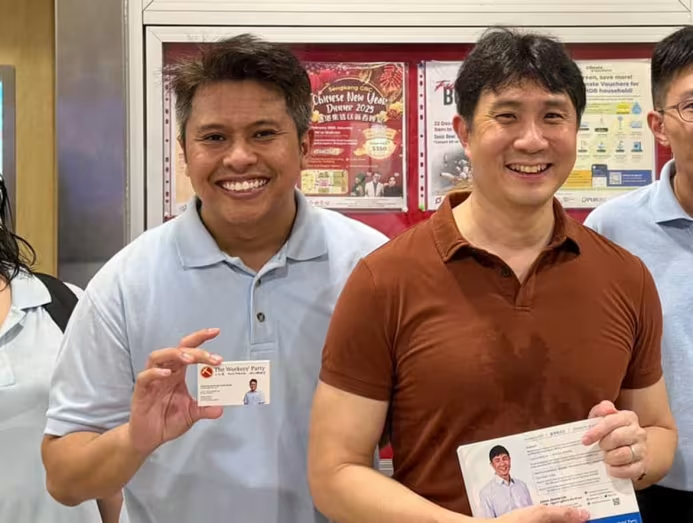
For the Worker’s Party, Dr Mustafa Izzuddin, a senior international affairs analyst with consultancy Solaris Strategies Singapore was spotted with the team being prominently featured in interacting with members of the public
PAP also has been introducing new faces too. Mrs Bernadette Giam.

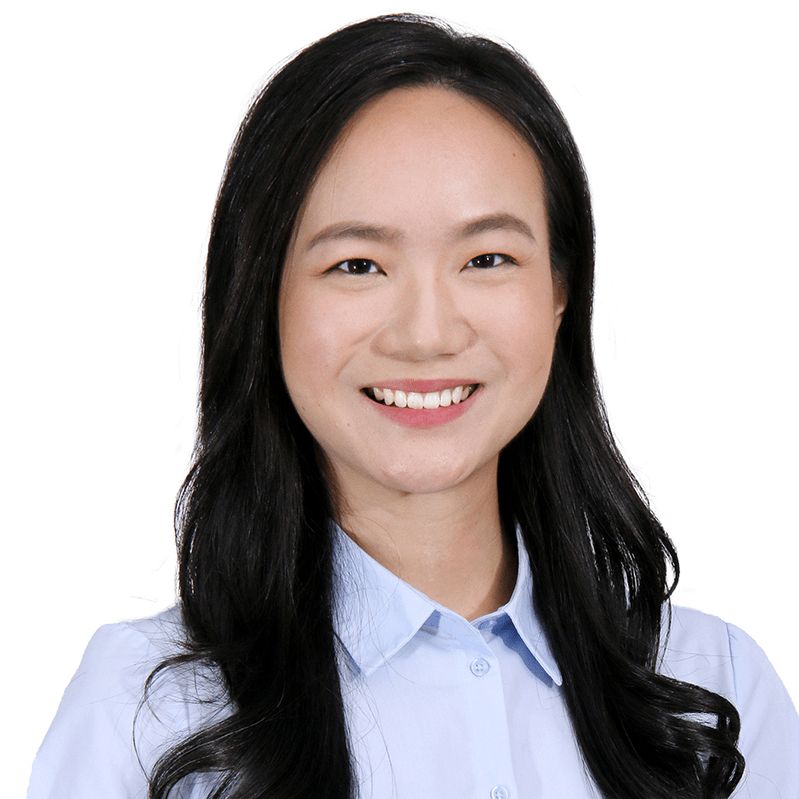
Currently the Director of Corporate Affiars and HR at Creative Eatieries. We shall see where this goes. One face does not carry a team. In my opinion, PAP seems to be looking to resecure their once held Seng Kang, the fight is going to be tough for them. Also another thought doesent Mrs Bernadette Giam look a little bit like Nicole Seah? What is the PAP trying to do? HMMMMMMM
Marine Parade GRC
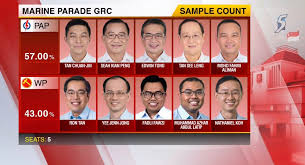
Marine Parade is one of the interesting battle grounds.
From 2010 to 2020 Worker’s Party Vote share has swung by around 6.31%, however, PAP still holds a generally comfortable lead.

Marine Parade also has been subjected to gerrymandering with Constituency boundaries changing every single election cycle.
Old Front runner now “early retired” speaker of the house Tan Chuan Jin has been relieved from his duties due to sexual scandal. Nicole Seah (WP) was rumored to run for Marine Parade following her quite successful first run with the National Solidarity Party, garnering 43.35% of votes back in 2011 elections.
With both of them knocked out due to having affairs with fellow colleguages within their own party how would this battle shape up to be?
It’s hard to tell, but in my opinion, Marine Parade would be unlikely for the WP to win however I do think that it would be very close, 1-2% margins.
West Coast GRC
West Coast GRC another fan favourite. First contested by the newly formed Progress Singapore Party in 2020, the vote swing for PAP was drastic with PAP losing around 27% of votes towards PSP.

Hazel Poa and Leong Mun Wai have proven themselves as capable MPs in Parliament, with Leong Mun Wai, in particular, facing significant pushback from the PAP’s anti-opposition rhetoric. Despite his lack of oratory finesse, the issues he raises resonate deeply with Singaporeans across the island.
On the PAP side, former frontrunner Iswaran has now been jailed and charged with corruption. His replacement remains uncertain, though Desmond Lee appears to be a leading contender, with media portrayals emphasizing his candid, calm, and collected demeanor.
Meanwhile, Tan Cheng Bock has hinted that he is “ready” to contest in the next election. It remains to be seen how his party will fare.
Bukit Batok SMC

Some might say it is inconsequential, but this SMC is currently on my watchlist.
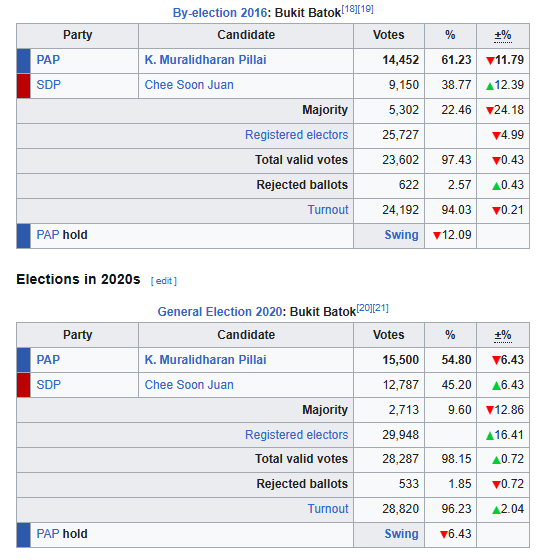
From the By election of 2016 to 2020, SDP has made significant gains ass seen from the picture above. Following this indicator, Chee Soon Juan might stand a fighting chance to win Bukit Batok, although low, support for him has grown rapidly.
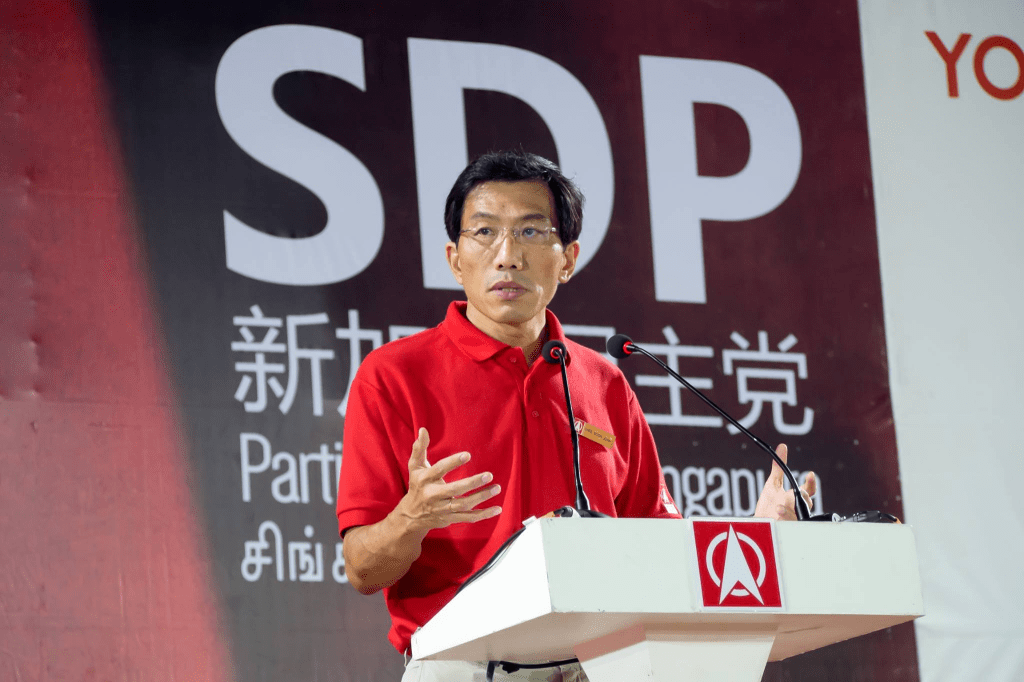
Dr. Chee Soon Juan is one of Singapore’s most well-known opposition politicians and the Secretary-General of the Singapore Democratic Party (SDP). A former neuroscience researcher, he first entered politics in 1992 when he joined the SDP and quickly became a prominent critic of the ruling People’s Action Party (PAP). His political career has been marked by a strong advocacy for democracy, civil liberties, and social justice, often putting him at odds with the government.
Chee has faced multiple legal and financial challenges over the years, including defamation lawsuits from PAP leaders that led to bankruptcy and a temporary disqualification from contesting elections. Despite these setbacks, he has remained a persistent voice for political reform, championing issues such as income inequality, housing affordability, and workers’ rights.
Under his leadership, the SDP has positioned itself as a policy-driven party, offering detailed alternative policy proposals on healthcare, housing, and economic reform. While the party has yet to secure a parliamentary seat in recent elections, Chee continues to be an influential figure in Singapore’s opposition politics, advocating for a more open and competitive political landscape.
Possible Scenarios
With each individual constituency out of the way, now we discuss some outcomes that could happen
Scenario 1: Nothing Changes
- PAP retains its dominance: The ruling party maintains its parliamentary supermajority.
- Status quo politics: No significant shift in governance, policy direction, or political landscape.
- Opposition stagnation: No gains for the opposition, reinforcing the idea that political change remains difficult.
- Public dissatisfaction lingers: Issues like cost of living and housing may continue to frustrate citizens, potentially leading to long-term voter resentment.
- International perception: Singapore continues to be seen as politically stable, but criticisms about the lack of a competitive democracy persist.
Scenario 2: PAP Loses Some GRCs
- More opposition voices in Parliament: A stronger opposition presence, increasing scrutiny of PAP policies.
- Shift in political narrative: Signals growing public desire for accountability and alternative leadership.
- New opposition figures rise: Potential for new opposition MPs to emerge as credible national leaders.
- Government response: PAP may adjust policies, engage in self-reflection, or introduce reforms to win back support.
- Greater policy debate: Parliament becomes more contested, with opposition MPs pushing for alternative policies.
Scenario 3: PAP Loses Vote Share but No Change in Parliamentary Demographic
- Warning sign for PAP: A reduced vote share indicates growing discontent, even if it does not translate into lost seats.
- Psychological win for opposition: While no seat gains occur, opposition parties may gain momentum for the next election.
- PAP may make policy tweaks: To regain public confidence, the government may introduce new social or economic policies.
- Internal PAP realignments: Possibility of leadership shake-ups within the ruling party to address voter concerns.
- Impact on future elections: A declining vote share could set the stage for greater opposition gains in subsequent elections.
Scenario 4: Major Losses for PAP
- Political landscape transformed: The PAP loses multiple GRCs and its stronghold on power is significantly weakened.
- Opposition breakthroughs: Opposition parties gain credibility and governance experience in more constituencies.
- Potential loss of parliamentary supermajority: If PAP falls below two-thirds of seats, constitutional changes become harder to push through unilaterally.
- Coalition politics emerges: PAP may have to negotiate or compromise with opposition parties to pass key policies.
- Drastic policy shifts: A weakened PAP may be forced to introduce major reforms to regain public trust.
Points of Interest
In June 2023, PV leader Lim Tean announced the formation of an alliance with three other opposition parties: Reform Party, People’s Power Party and the Democratic Progressive Party. The alliance, called People’s Alliance, will contest in the 2025 Singapore General Election under the alliance’s banner.
However, these smaller parities are untested and rather inconsequential fielding subpar candidates, these are the small fish and should not be worthy of attention.
Conclusion
As Singapore heads toward the next General Election, the political landscape remains dynamic, with multiple possible outcomes shaping the nation’s future. Whether the PAP maintains its dominance, faces minor setbacks, or experiences significant losses, each scenario carries implications for governance, policy direction, and democratic development.
For voters, the upcoming election represents more than just a contest of parties—it is a referendum on pressing issues such as cost of living, housing, political representation, and transparency. Regardless of the outcome, one thing is certain: Singaporeans are becoming more engaged in political discourse, and the nation’s future will be shaped by the choices they make at the ballot box.
A better Singapore is one that looks back and learns from their mistakes.