The Workers’ Party (WP) of Singapore has been a cornerstone of opposition politics in a nation predominantly governed by the People’s Action Party (PAP). Established in 1957, the WP has consistently advocated for accountability and diversity in governance. This article delves into the party’s history, key milestones, and the challenges it has faced in Singapore’s political landscape.
Founding and Early History
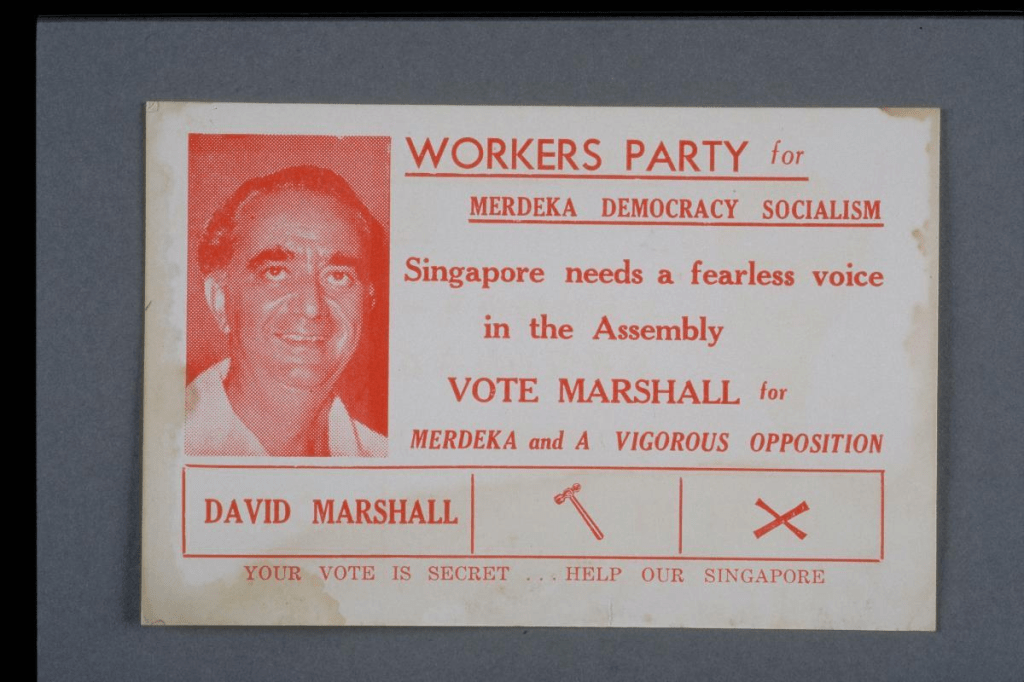
The WP was founded on November 3, 1957, by David Marshall, Singapore’s first Chief Minister. Dissatisfied with the Labor Front’s inability to secure full self-governance from British colonial rule, Marshall resigned and established the Workers’ Party to represent the working class and champion Singapore’s independence. The party’s founding principles centered on “merdeka” (Malay for “independence”), parliamentary democracy, and socialism.
Early Challenges and Political Climate
In its formative years, the WP operated in a politically volatile environment. The late 1950s and early 1960s were marked by intense ideological battles, with the PAP’s socialist agenda rapidly gaining mass support. This dominance often overshadowed smaller parties like the WP.
Despite these challenges, Marshall’s leadership and charisma provided the party with a distinct voice advocating for social justice and economic equality.
Evolution of Leadership
Leadership transitions have profoundly influenced the WP’s direction and strategies.
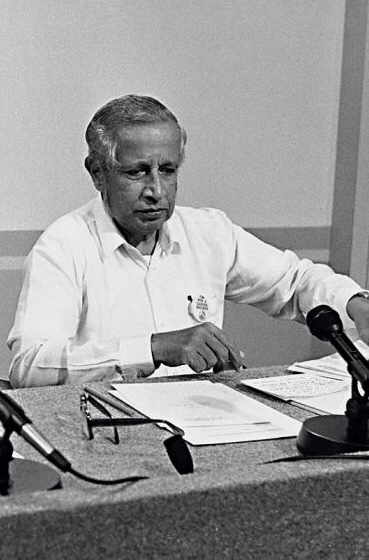

- J.B. Jeyaretnam Era In 1971, lawyer J.B. Jeyaretnam assumed the role of Secretary-General. His unwavering commitment to constitutional processes led him to contest multiple elections. His persistence culminated in a historic victory during the 1981 Anson by-election, where he became the first opposition Member of Parliament (MP) since Singapore’s independence in 1965. This breakthrough challenged the PAP’s parliamentary monopoly and signaled a new era for opposition politics in Singapore.
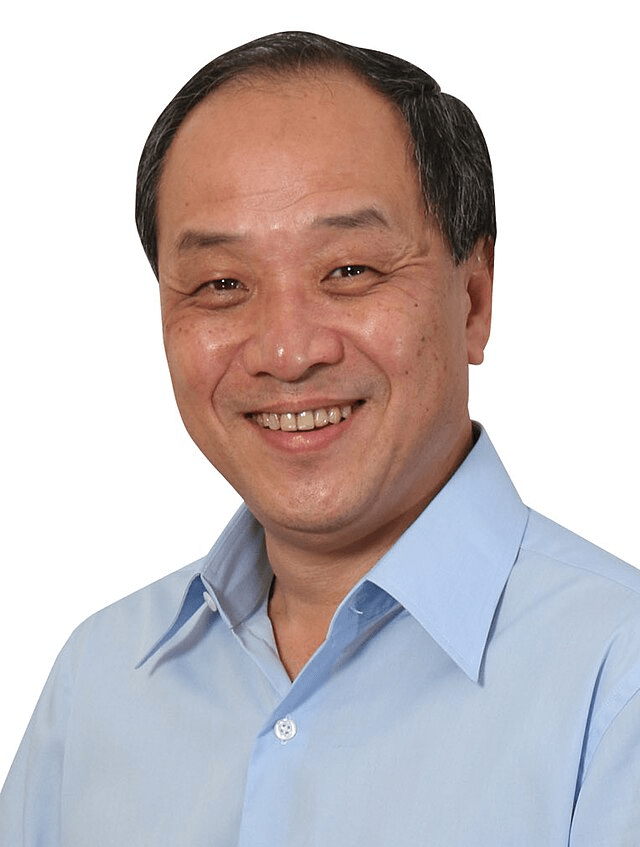
- Low Thia Khiang’s Contributions Low Thia Khiang succeeded Jeyaretnam as Secretary-General in 2001. Emphasizing grassroots engagement, Low fortified the party’s presence in Hougang, securing it as a WP stronghold. Under his leadership, the WP achieved a landmark victory in the 2011 general elections by winning the Aljunied Group Representation Constituency (GRC), marking the first time an opposition party had secured a GRC.
- Transition to Pritam Singh In 2018, Pritam Singh took over the party’s leadership, marking a generational shift. Singh modernized the WP’s approach by leveraging social media and engaging younger voters. His tenure saw the party’s success in the 2020 general elections, where the WP won the newly established Sengkang GRC, further solidifying its parliamentary presence.
Electoral Milestones
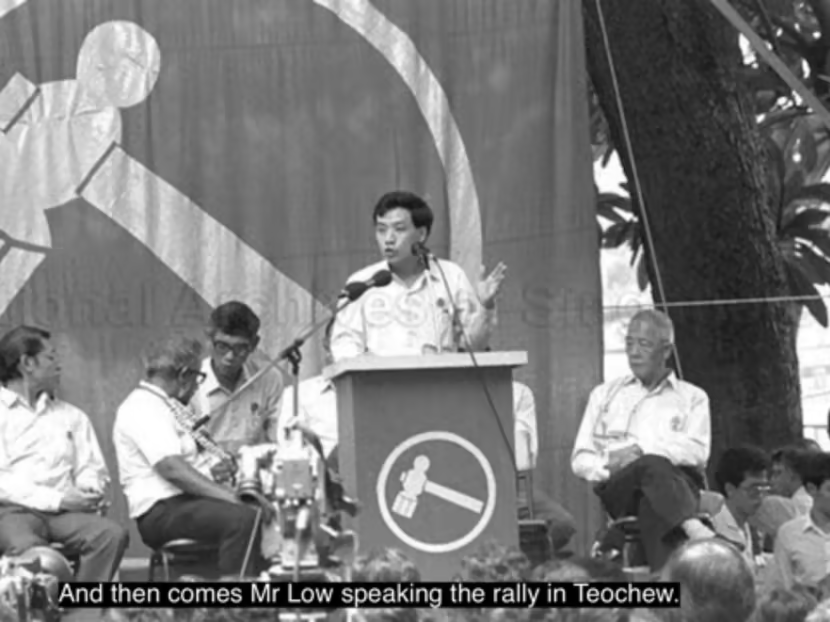
The WP’s electoral journey is marked by significant achievements that have reshaped Singapore’s political landscape.
- Hougang Stronghold The 1991 general elections were pivotal, with Low Thia Khiang winning the Hougang Single Member Constituency (SMC). This victory established Hougang as a WP bastion, demonstrating the party’s ability to maintain consistent support at the constituency level.

- Historic Aljunied GRC Win In 2011, the WP made history by winning Aljunied GRC, the first GRC ever secured by an opposition party. This victory was a testament to the party’s growing influence and strategic acumen.
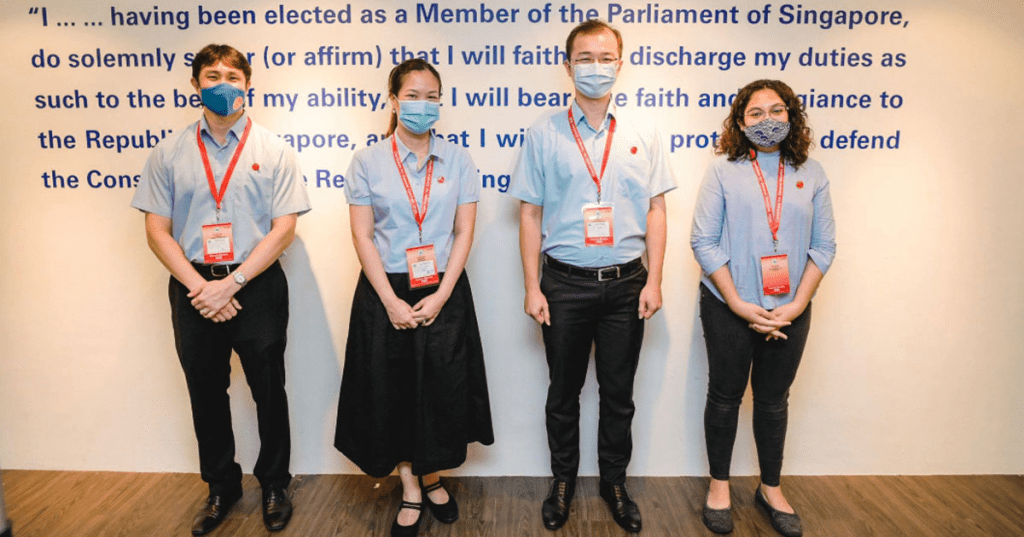
- 2020 Elections and Beyond The 2020 general elections marked another milestone, with the WP securing ten parliamentary seats, the highest number held by an opposition party in post-independence Singapore. The party’s success in constituencies like Sengkang GRC highlighted its appeal across diverse voter demographics.
Challenges and Controversies
Despite its successes, the WP has navigated various challenges.

- Legal Battles The party has faced legal challenges, notably involving its leaders. In February 2025, Pritam Singh was found guilty of lying to a parliamentary committee regarding false testimony given by former party member Raeesah Khan. Singh received fines totaling S$14,000 but remained eligible to contest in future elections, as the fines did not meet the disqualification threshold.
- Internal Disputes Internal conflicts have also tested the party’s cohesion. The resignation of MP Raeesah Khan in 2021, following her admission of lying in Parliament, and the subsequent legal proceedings involving party leadership underscored the complexities of maintaining unity and public trust.
Ideology and Policy Advocacy

Rooted in social democratic principles, the WP advocates for policies aimed at promoting social equity and addressing fundamental societal issues.
- Policy Initiatives The party has consistently championed the implementation of a minimum wage and the reduction of the voting age to 18. These positions resonate with younger voters and marginalized communities, reflecting the WP’s commitment to progressive social policies.
- Parliamentary Contributions WP MPs actively engage in parliamentary debates, addressing a spectrum of issues from housing affordability to mental health. Their contributions have influenced public discourse and policy formulation, ensuring that alternative perspectives are considered in governance.
Engaging Grassroots Support
Grassroots engagement remains central to the WP’s strategy. By addressing local concerns and fostering community relationships, the party has built a loyal support base that translates into sustained electoral success.
Reference List
- National Library Board Singapore. (n.d.). The Workers’ Party of Singapore. Retrieved from https://www.nlb.gov.sg/main/article-detail?cmsuuid=913556d5-bf48-4623-8888-f6e268307c61
- Workers’ Party Singapore. (n.d.). History of the Workers’ Party. Retrieved from https://www.wp.sg/history
- Reuters. (2025, February 17). Court finds Singapore opposition party leader guilty of lying in Parliament. Retrieved from https://www.reuters.com/world/asia-pacific/court-finds-singapore-opposition-party-leader-guilty-lying-parliament-2025-02-17/
- Wikipedia. (n.d.). Pritam Singh (Singaporean politician). Retrieved from https://en.wikipedia.org/wiki/Pritam_Singh_%28Singaporean_politician%29
- Wikipedia. (n.d.). Workers’ Party (Singapore). Retrieved from https://en.wikipedia.org/wiki/Workers%27_Party_(Singapore)