Understanding the voting behavior of Singaporeans offers vital insight into the political and social fabric of the nation.
As one of the few remaining city-states, Singapore possesses a unique political landscape where socio-economic dynamics and pragmatic governance play significant roles.
By examining voter preferences, historical patterns, and emerging trends, we can better grasp the factors influencing electoral decisions.
Evolution of Voting Trends in Singapore

Historical Dominance of the People’s Action Party (PAP)
Since Singapore’s independence in 1965, the People’s Action Party (PAP) has been the dominant political force.
Founding Prime Minister Lee Kuan Yew’s vision of socio-economic growth, paired with the PAP’s stronghold in governance, led to significant public trust in the party.
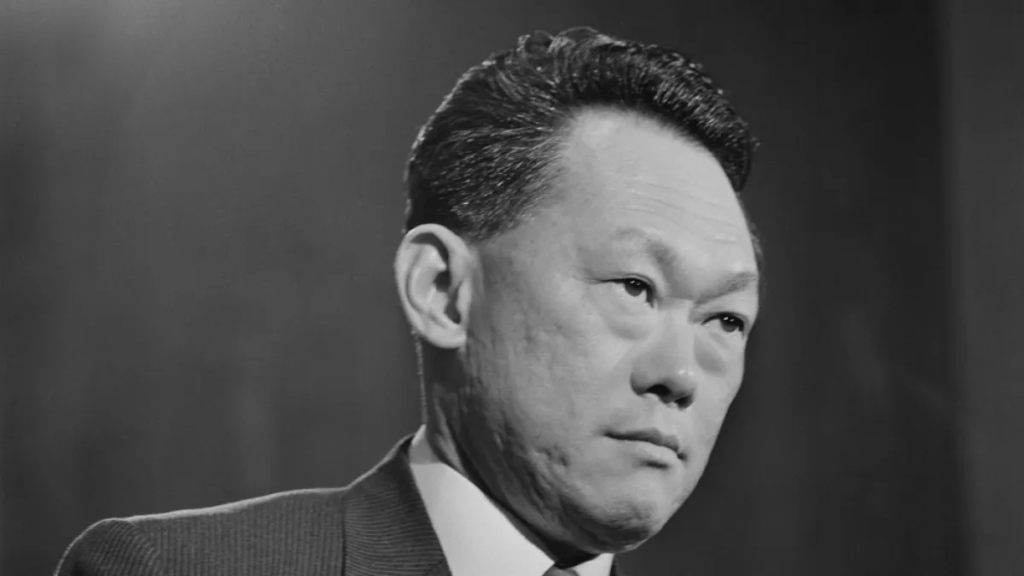
This long-standing dominance established a cultural mindset where many equated political stability with economic prosperity. However, this monopoly also resulted in a cautious electorate, with loyalty often outweighing calls for political diversity.
For a comprehensive review of voting rights and governance in Singapore, explore the Voting rights in Singapore.
The Emergence of Opposition Voices

Over time, opposition voices began rising, most notably the Workers’ Party (WP). The general elections of 2011 and 2020 were landmark moments that reflected a growing appetite among Singaporeans for balanced political representation. The WP’s success in constituencies like Aljunied GRC signaled a shift towards pluralism. This increasing traction suggests that voters, particularly younger demographics, may prioritize alternative viewpoints and checks on power.
For an analysis of Singapore’s electoral shifts, refer to It’s the crowd that counts in Singapore’s vote.
Impact of Global and Local Events on Election Outcomes
Global and local events have directly impacted Singaporean elections. For example, the COVID-19 pandemic altered priorities during the 2020 general election, with voters focusing on healthcare, job security, and economic relief. Economic downturns or international tensions also amplify bread-and-butter issues, drawing voters to leadership that promises steadfast solutions.
In a recent survey, concerns such as rising living costs and housing affordability were top priorities for voters (source).
Key Factors Influencing Singaporean Voters

Economic Issues and Cost of Living
Singaporeans often view elections through the lens of socio-economic concerns. Housing affordability, job stability, and income inequality dominate the list of pressing issues. Rising costs in healthcare, utilities, and daily expenses build anxiety among middle- and lower-income groups. Addressing these challenges is critical for any political party hoping to secure public trust.
Generational and Cultural Influences
Voter behavior is also shaped by generational differences. Older voters tend to lean towards stability, often maintaining allegiance to the PAP due to its historical contributions. In contrast, younger generations are more vocal about global issues like sustainability and social inclusion, alongside local concerns. Multiculturalism in Singapore further adds layers of complexity as voters from diverse backgrounds may express varying priorities.
Role of Education and Awareness Campaigns
In recent years, voter education and outreach campaigns by the Elections Department (ELD) have encouraged informed decision-making. Initiatives such as public forums, pamphlets, and interactive websites help voters understand complex policies, ensuring greater political literacy. Such efforts align with Singapore’s broader aspiration for an engaged and informed electorate.
Discover more about voting behavior in this preliminary investigation.
Electoral Dynamics in Key Constituencies
Understanding Diverse Voter Needs
Singapore’s Group Representation Constituencies (GRCs) display wide-ranging voter dynamics due to socioeconomic and demographic differences. Wealthier areas may prioritize urban planning and healthcare access, while lower-income zones might focus on affordable amenities and transportation.
Future Trends in Singaporean Voting Behavior
Fourth-Generation Leadership Under Prime Minister Lawrence Wong

The transition to fourth-generation (4G) leadership is a critical milestone for Singapore. Prime Minister Lawrence Wong’s policies on sustainability, affordable housing, and digital readiness will likely play a role in shaping voter sentiment as the nation heads into the 2025 general election.
Expected Challenges for Political Parties
Increasing competition and voter skepticism present hurdles for Singapore’s political parties. With a growing population of swing voters, addressing specific concerns in localized campaigns could make or break electoral fortunes. Public trust will also hinge on transparency, inclusivity, and innovative problem-solving.
Conclusion
Voting behavior in Singapore is driven by a mix of pragmatism, cultural values, and evolving priorities. As the island nation approaches its next general election, the interplay of generational shifts, socio-economic needs, and political leadership will define voter choices. By staying attuned to these trends, political parties can foster meaningful engagement and address the concerns of a diverse electorate, charting a balanced and inclusive path forward.