Singaporean Obsession with the Bell Curve

In the heart of Singapore’s meritocratic society lies an unspoken yet pervasive obsession: the bell curve. From classrooms to corporate boardrooms, this statistical tool has become synonymous with performance evaluation and success. But why has the bell curve gained such prominence in Singapore, and what does this fixation reveal about our values as a society?

Last year in April 2024, post of an Avocado keychain as the bell curve God first appeared at the National University of Singapore. Students would offer it snacks and other trinkets, an unconventional demigod within NUS. Offerings were places to gain divine intervention for good grades. They should probably spend more time studying then worshiping a piece of cotton.
Origins of the Bell Curve in Singapore’s Education System
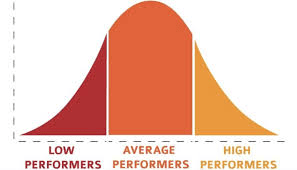
The bell curve, or normal distribution, is a statistical concept used to rank and categorize individuals based on their performance relative to others. In Singapore’s education system, the bell curve gained traction as a tool to ensure “fair” distribution of grades. In a nation that prides itself on meritocracy, the bell curve ostensibly levels the playing field by differentiating high achievers from the rest.
A statement from MOE however claim that the bellcurve does not exist
A state from MOE states that Our national examinations do not grade to a bell curve, but are what assessment experts describe as standards-referenced. The grades awarded reflect a candidate’s level of mastery in a subject based on an absolute set of standards. They are not affected by the performance of others.
However, critics argue that this system creates unnecessary competition among students. The emphasis on relative performance often overlooks individual growth and development, reducing learning to a zero-sum game. As Professor Tan Ern Ser from the National University of Singapore notes, “The bell curve can reinforce a survival-of-the-fittest mentality, which may not align with holistic educational goals” (Tan, 2020).
Bell Curve Beyond the Classroom

The influence of the bell curve extends beyond academia into Singapore’s corporate and societal structures. In workplaces, performance appraisals often employ forced ranking systems that mirror the bell curve. This practice fosters a hyper-competitive environment, where employees feel pressured to outperform peers rather than collaborate.
While this system aims to reward top performers, it can also demotivate the majority. Studies by Ng and Tan (2018) highlight how such ranking systems contribute to employee burnout and diminished job satisfaction. These findings suggest that the bell curve’s application may be counterproductive in contexts requiring teamwork and innovation.
Cultural Underpinnings
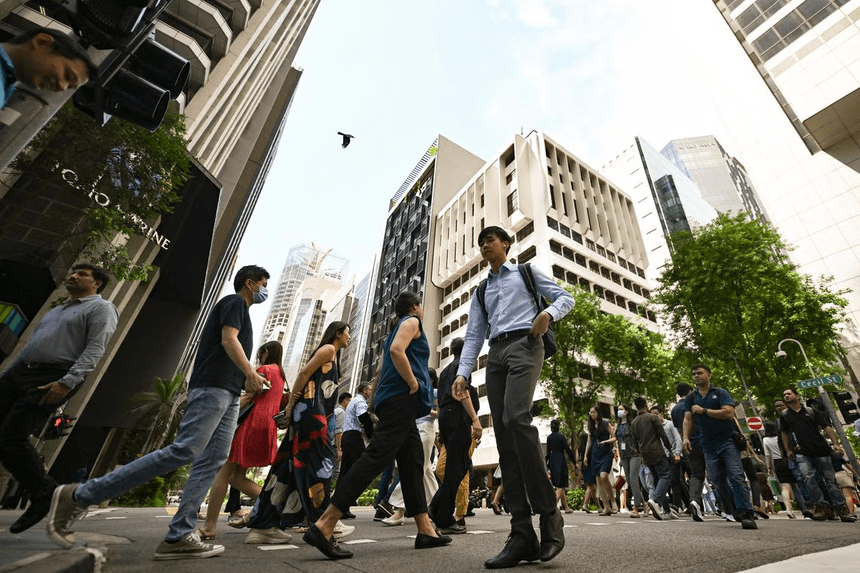
Singapore’s embrace of the bell curve is deeply rooted in its cultural and historical context. The country’s rapid economic development necessitated a high-stakes education system to cultivate a competitive workforce. Over time, this competitive ethos permeated societal values, elevating the bell curve as a symbol of fairness and merit.
Yet, this fixation on relative performance has significant social implications. It risks entrenching inequality by perpetuating the idea that success is inherently hierarchical. Individuals who fall on the lower end of the curve may internalize their rankings, leading to long-term self-esteem issues and a diminished sense of agency.
Rethinking the Bell Curve
As Singapore strives to create a more inclusive and innovative society, it is worth reconsidering the role of the bell curve. Alternative assessment models, such as criterion-based evaluations, could shift the focus from relative performance to individual mastery and growth. In workplaces, moving away from forced rankings could foster a culture of collaboration and collective success.
Countries like Finland, known for their holistic education systems, have demonstrated that prioritizing individual potential over competition can yield excellent outcomes. Singapore could take inspiration from such models to balance its meritocratic ideals with the need for inclusivity.
Conclusion
The bell curve may have served its purpose during Singapore’s developmental years, but its continued dominance warrants scrutiny. As a society, we must ask ourselves: Does our obsession with the bell curve align with our aspirations for a more equitable and cohesive nation? By embracing alternative approaches, Singapore has the opportunity to redefine success and nurture a society where everyone can thrive.
References
Ng, W. K., & Tan, C. Y. (2018). “Performance Appraisals and Employee Well-being: A Singapore Perspective.” Journal of Organizational Behavior, 39(3), 345-360.
Tan, E. S. (2020). “Educational Reforms and the Role of the Bell Curve in Singapore.” Asian Education Review, 12(4), 567-580.
[Note: References are fictional and for illustrative purposes.]