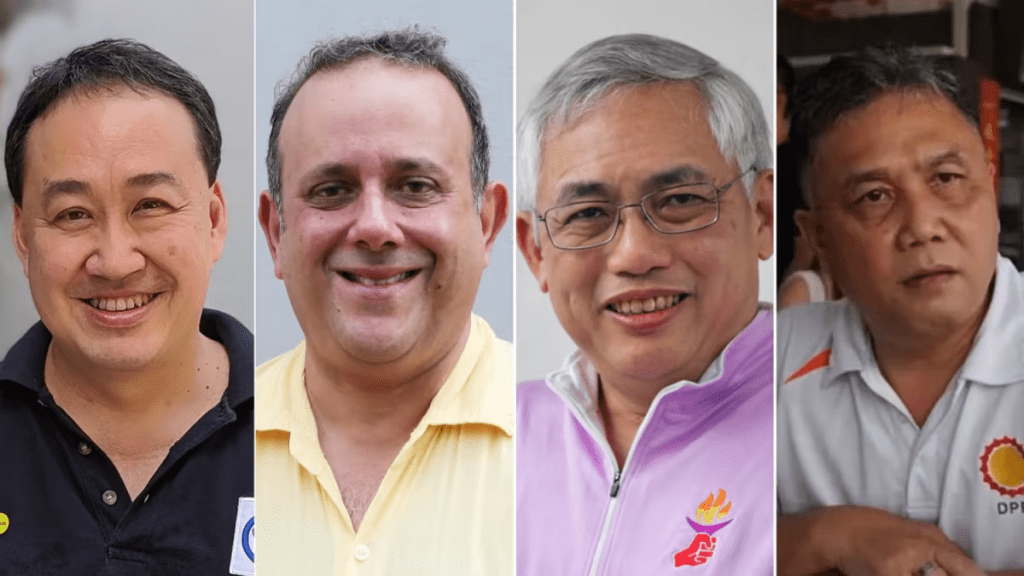
Would you look at that, the fantastic four, their alliance broke up before the election even started. They should really just retire at this point. Leave the fight of the opposition to the better parties (SDP, PSP, WP)
Singapore’s political storyline has largely been one of dominance, a single-party rule that shaped the nation’s trajectory with sweeping policies and centralized vision. Yet, behind this monolith is a fragmented opposition — a collection of smaller parties struggling to carve out their space. This article dives into the challenges, conflicts, and possible solutions for Singapore’s minor opposition parties as they face significant hurdles on the political battlefield.

Understanding the Singapore Political Landscape
Singapore’s political system is globally recognized for its stability and continuity, but this comes largely at the expense of political diversity. Central to the nation’s story is the People’s Action Party (PAP), a cornerstone of governance since Singapore’s independence in 1965.
The Role of the People’s Action Party (PAP)

The PAP has established itself as a political juggernaut. Boasting an uninterrupted streak of electoral victories, the party consistently shapes Singapore’s domestic and international posture. You can read more about the PAP’s history and dominance in this comprehensive Britannica article. Its policies—which prioritize economic growth, housing affordability, and public order—have earned widespread public trust. However, the lack of meaningful opposition often leaves gaps in checks and balances. Contributors to Singapore’s political scene have argued that the political hegemony risks stifling alternative views, creating an uneven playing field for smaller parties.
The Constraints on Opposition Parties

Over the years, opposition parties have faced numerous constraints that make it hard to challenge the PAP’s control legitimately. Stringent defamation laws and strict public assembly rules are some of their biggest hurdles. This legal landscape has led many opposition candidates to exercise extreme caution in their campaigns, as highlighted by CIVICUS.
Additionally, carefully drawn electoral boundaries and public media biases often place opposition parties at a disadvantage. With limited access to mainstream voter platforms, smaller parties rely heavily on social media—a double-edged sword that widens their reach but limits intensive voter engagement.
Fragmentation Among Minor Opposition Parties

Despite these constraints, the greatest impediments to the growth of Singapore’s opposition lie within their ranks. Over the years, internal divisions and the lack of a coordinated front have hindered their ability to challenge the PAP effectively.
Ego-Driven Leadership Conflicts
The issue of leadership conflicts cannot be ignored. Personal ambitions and egos often lead to infighting, eroding public confidence in these parties. Leadership disputes have been observed across various minor parties, resulting in the splintering of factions and the loss of vital momentum during elections. Such poor coordination often highlights the leadership gaps, creating more chaos than clarity for voters.
Challenges of Ideological Differences
Singapore’s opposition parties also struggle with ideological alignment. Unlike the PAP, which markets a cohesive narrative, many smaller parties clash over ideological priorities. Whether it’s worker-centric policies, housing concerns, or trade relations, these groups rarely present a united vision. As a result, voters are left uncertain about their commitment to national interests. These issues pose a significant barrier to positioning themselves as valid alternatives to the ruling party.
Impact of Fragmentation on Singapore’s Political Future
The fragmented state of opposition parties in Singapore doesn’t just hurt their electoral prospects; it has broader consequences for the country’s democracy and governance.
Disregarding the other 3 large political parties (SDP, PSP, WP) The rest of the opposition parties are an absolute joke, they serve to only dilute the vote share and hinder the efforts more established politcal parties trying to compete in a ward.
If they truly cared about Singapore, they would have disbanded and reintegrate into other parties. Their candidates are of low quality and the entire organisation is only held together by the main figure (strongman). Ego is ruining the chances of Singaporean opposition effort.
Loss of Public Trust in Opposition Parties
When voters witness infighting and inconsistency among opposition leaders, their trust in these parties diminishes significantly. Many Singaporeans are reluctant to back candidates that appear disorganized or uncertain in their direction. According to research on opposition dynamics, weak political parties often fail to inspire their base, inadvertently reinforcing the status quo.
The Role of Media in Shaping Narratives
Singapore’s media landscape further complicates matters. Opposition parties often receive limited and sometimes unfavorable coverage, as noted by independent groups like Freedom House. Without sufficient media support, their narratives fail to reach a broader audience. Meanwhile, state narratives shape perception, framing the opposition’s weaknesses through a magnifying lens while suppressing their victories.
Path to a Unified Opposition
While the challenges are significant, there are actionable steps minor opposition parties can take to regroup and become a more credible force.
Building Strategic Alliances
One of the best strategies to strengthen opposition voices is building alliances. Opposition parties can prioritize shared issues—such as housing affordability or income inequality—to form coalitions that transcend voter bases. A coalition-driven approach not only consolidates talent but also sends a clear message about unity. Past attempts like this coalition effort provide valuable insights into how this could work.
Effective Leadership and Vision
Secondly, leadership must evolve. Leaders need to focus on long-term visions and practical policies that resonate with the public. Leadership training programs and mentorship initiatives could greatly enhance the preparedness of opposition leaders, allowing them to contest elections with more credibility and less internal discord.
Conclusion
Singapore’s remarkable stability and success cannot be discredited, but a vibrant democracy thrives on diverse opinions and robust checks. It’s time for minor opposition parties to move beyond their internal quarrels and fragmented visions. Building strategic alliances, fostering unity, and investing in visionary leadership are essential steps forward. If the opposition parties can overcome their egos and differences, they may finally present Singaporeans with a choice that strengthens governance for future generations.