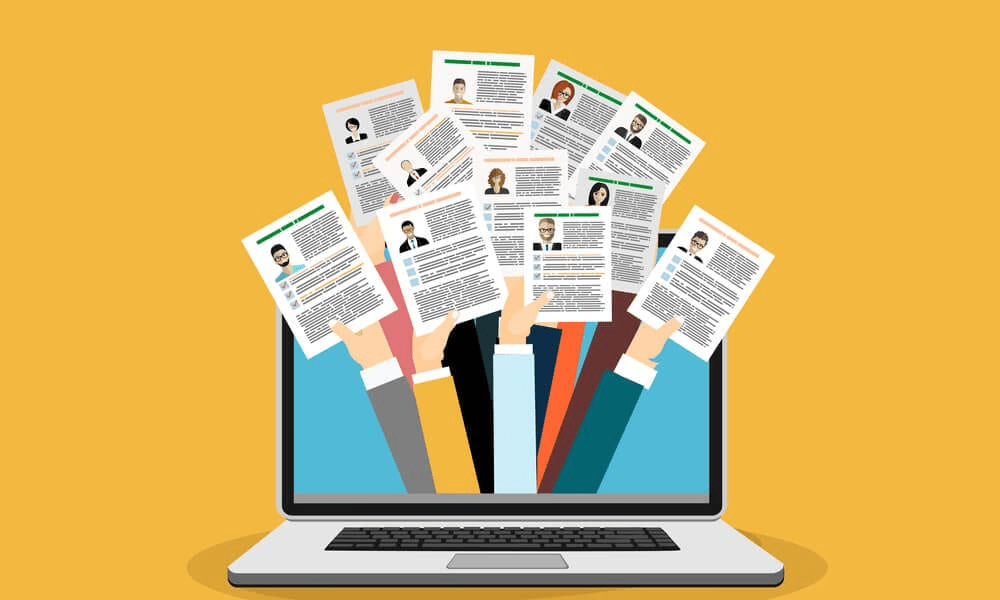
You send out dozens of resumes, tweak your cover letter for the hundredth time, and still—nothing. Sound familiar? You’re not alone. A staggering 79% of job seekers feel anxious during the hunt, and with good reason. From cryptic job descriptions to the dreaded “ghosting” after an interview, the process can feel more like emotional whiplash than progression. Add in the pressure of competing with AI-written applications, and it’s easy to see why job hunting is often compared to a full-time job itself. But there’s a way to navigate this chaos without losing your mind, and that’s exactly what we’re about to explore.
The Endless Search for the “Perfect” Job Posting

Finding the “perfect” job posting can feel like searching for a mythical creature—tantalizing but forever out of reach. Job seekers are often met with information overload, vague expectations, and procedural hurdles that make the hunt not just frustrating but downright exhausting. Let’s break down the biggest obstacles in this process.
Navigating Job Boards and Endless Scrolls
The onslaught of job boards promises options, but it often leads to disillusionment. How many times have you clicked through what seemed like a promising listing, only to find the position is outdated or already closed? The reality is most job boards are bloated, repetitive, or inefficient. They’re precisely why some believe job boards don’t work for modern hiring.
Here’s where it gets overwhelming for candidates:
- Recycled Content: The same job postings appear on multiple platforms.
- Dead Links: Openings that look active but redirect you to an error page.
- “Too Good to Be True” Claims: Highly attractive postings often miss key details or seem artificially inflated.
No wonder many job seekers feel like they’re endlessly scrolling with minimal payoff.
Decoding Job Descriptions
Once you find a listing that catches your eye, you’re left decoding cryptic language. Ever read a job description and felt like it’s asking for a magical unicorn employee? Unrealistic requirements are rampant—asking for 5+ years of experience in a technology that has only existed for two. As experts highlight, this not only sabotages the hiring process but also discourages great candidates from applying.
Key frustrations include:
- Vague Phrasing: Terms like “dynamic team player” or “proficient in multiple tools” sound impressive but are meaningless without specifics.
- Overloaded Wish Lists: Job ads often read like shopping lists for 10 different roles, reducing the pool of qualified applicants.
For job seekers, this means more uncertainty and second-guessing. Should you apply even if you don’t tick every box?
The ATS Black Hole

Just when you think you’ve overcome the hurdles of finding and applying to a job, there’s the dreaded ATS—Applicant Tracking System. Originally created to streamline the hiring process, ATS software is now infamous for automatically filtering out resumes, often without human review. In fact, studies reveal that up to 60% of job seekers feel like their applications are lost in a void.
Here’s how ATS creates challenges:
- Over-Reliance on Keywords: Miss a crucial buzzword? Your resume ends up in the reject pile.
- Lack of Feedback: Candidates rarely know if their application even made it to someone’s desk.
- Invisibility: Even highly skilled applicants often feel like they’re just one among thousands of faceless submissions.
The ATS system was meant to save time, but for job hunters, it often feels like an insurmountable gatekeeper. It’s no wonder many feel like they’re shouting into a void, waiting for a chance to be heard.
Crafting the Perfect Application: Time-Consuming and Soul-Crushing
Applying for jobs can often feel like a never-ending cycle of stress and rejection. Between crafting a resume that checks every box, writing heartfelt cover letters, and attempting to cater to both humans and machines, it’s no wonder the process feels entirely soul-crushing. Let’s break down why this journey demands so much from applicants, often with so little in return.
Resumes That Demand Perfection
Your resume is, quite literally, your first impression—it’s no surprise the stakes feel sky-high. Job seekers are told they have only seconds to grab a hiring manager’s attention, leading to an intense focus on every detail.
Resume crafting is about much more than listing work experiences. The modern job search requires:
- Professional Design: Using clean, readable formats that stand out without being distracting.
- Keyword Optimization: Resumes must mirror the language of job descriptions, often for the sole purpose of passing Applicant Tracking Systems (ATS).
- Conciseness: Summarizing years of expertise into a single page without losing impact is no small feat.
For instance, this guide on 10 Resume Writing Tips emphasizes using the right action verbs and tailoring content for unique roles. Still, knowing even a small design misstep or missing buzzword could get you rejected can feel crushing.
It’s a high-stakes game of content versus context, where falling short in either can mean instant elimination.
Tailored Cover Letters: A Love Letter That Goes Unread
Writing a cover letter feels like pouring your heart out on paper, only for it to likely end up ignored. Personalized, well-crafted cover letters take hours to perfect. You research the company, align your values, and explain why you’re the ideal candidate—in under one page. But does anyone even read them?
The irony is palpable. Applicants invest time into these mini-essays tailored to each job listing, only to have them dismissed or skipped altogether. According to insights shared in articles like The Importance of Cover Letters, a standout cover letter could make or break your application. However, anecdotal evidence from frustrated job seekers suggests otherwise.
Even knowing the odds, most job seekers feel compelled to write these “love letters” to hiring teams. Whether it’s worth the effort often depends on the company’s culture but omitting one still feels like breaking an unspoken rule.
The Growing Role of AI in Applications
As if the process wasn’t draining enough, AI is now both a tool and an obstacle in job applications. Tools like Careerflow AI and AIApply are designed to simplify applications—auto-generating resumes, cover letters, even follow-up emails tailored to specific roles.
But with AI comes a double-edged sword. While it saves job seekers time, it also adds new barriers:
- Feeling Robotic: Automated processes may help candidates apply faster, but they strip away the personal touch.
- Increased Competition: When everyone uses AI tools, your application risks blending into a sea of similar submissions.
- ATS-Driven Rejections: Modern algorithms heavily rely on AI, making it even harder for unique but non-optimized resumes to stand out.
As this overview from Zapier explains, AI can be a powerful ally but often makes applicants question whether their individuality matters at all. It’s efficiency versus authenticity—a conflict that only widens the job hunt’s emotional toll.
Between the exhausting pursuit of perfection, the seemingly futile letters, and the tech-driven dynamics, it’s no wonder the entire application process feels daunting. Job seekers often have to decide: how much soul are they willing to sacrifice for the sake of landing interviews?