Gerrymandering is the practice of drawing electoral district boundaries to favor one political party over another. This manipulation often happens every ten years, following the census, but it’s far from just a procedural task.
By dividing communities in ways that diminish certain voters’ influence, gerrymandering disrupts fair representation. Have you ever wondered how some election maps look oddly shaped? That’s often the result of these partisan tactics, which can skew election outcomes, leaving many feeling their vote doesn’t count. In this post, we’ll break down what gerrymandering means, explore its effects on our political system, and discuss why understanding this issue is crucial for every voter.
What is Gerrymandering?
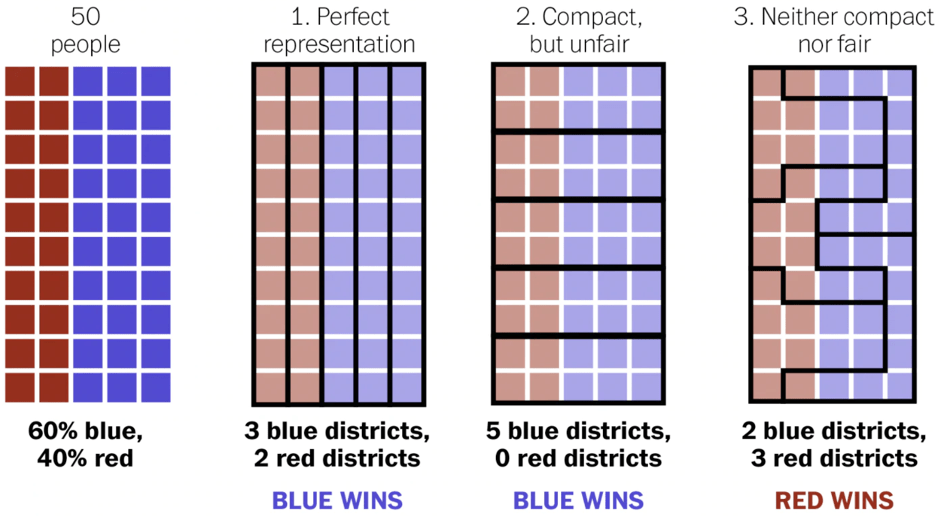
Gerrymandering is a complex and sometimes controversial process that affects how electoral districts are drawn. It starts with the redistricting process, often influenced by political parties aiming to secure an advantage in elections. Understanding gerrymandering requires a closer look at its origins, its mechanisms, and the primary techniques used.
The Origin of the Term
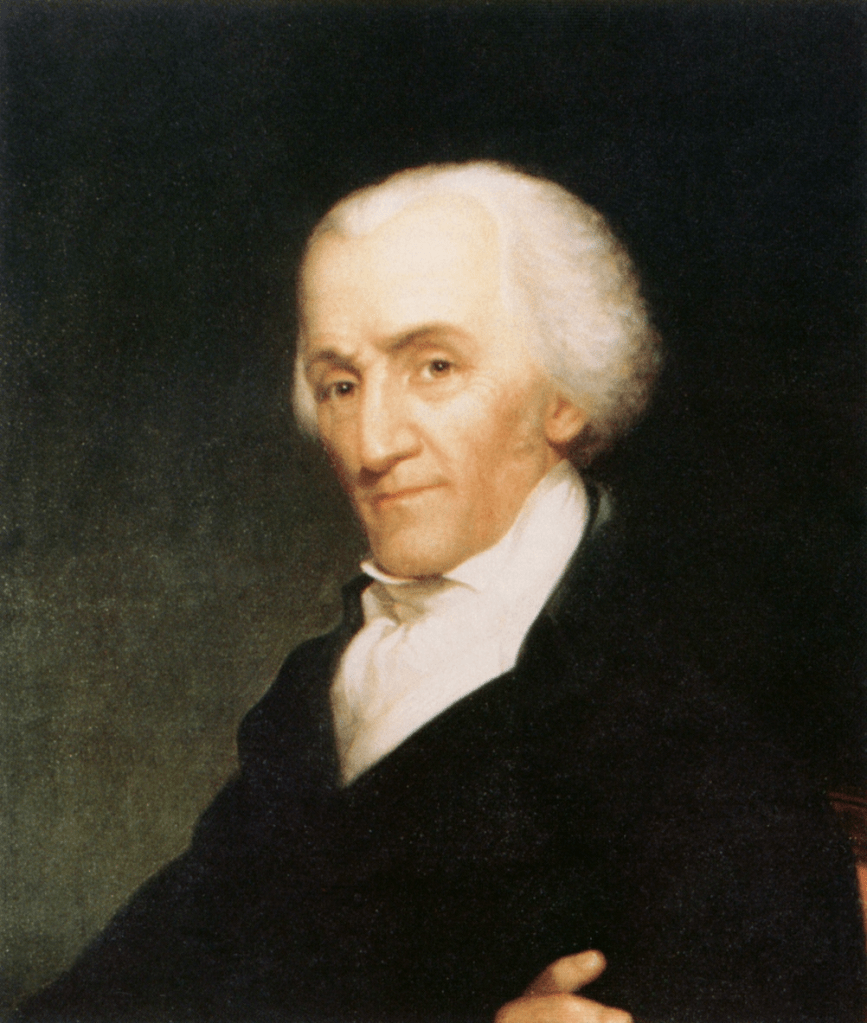
The term “gerrymandering” originates from Elbridge Gerry, a former governor of Massachusetts, who signed a bill in 1812 that redrew district lines to favor his political party. The Boston Gazette humorously depicted one of these districts in a cartoon, labeling it the “Gerry-mander,” which resembled a salamander. This playful yet pointed criticism highlighted how the manipulative drawing of boundaries could distort political representation. You can explore more about the history of gerrymandering to appreciate how this practice has evolved and the impact it continues to have on American democracy.
How Gerrymandering Works
Gerrymandering typically occurs every ten years, after the U.S. Census, when states re-evaluate district lines. The process is rarely straightforward or neutral. Instead, it often involves political maneuvering where party leaders influence the redistricting process through various methods, such as drawing the lines to include or exclude certain neighborhoods based on their demographic makeup.
This manipulation can create oddly shaped districts that can encompass areas with similar voting patterns while isolating those with opposing views. For example, if a party wants to ensure a strong majority in a particular district, it may selectively draw the boundaries to include many voters who support their party while excluding those who don’t. Such practices disrupt fair representation and skew electoral outcomes. For further reading, the Brennan Center provides insightful analysis on the implications of gerrymandering.
Types of Gerrymandering
Two primary techniques are commonly used in gerrymandering: cracking and packing.
- Cracking: This technique spreads out voters from a particular party across multiple districts. By diluting their voting power in various areas, it prevents that party from gaining a majority in any one district. Imagine trying to win a sports tournament by ensuring that the rival team is split up into smaller, less competitive teams.
- Packing: Conversely, packing involves concentrating as many voters of one party into a single district to maximize their influence there. This might give that party a stronghold in that district but leaves fewer districts where they can compete effectively. Think of it as placing all your eggs in one basket; while you may have a good chance of winning that particular area, it sacrifices opportunities elsewhere.
These strategies create shapes and borders that often make little sense on a map. Understanding these techniques is crucial to recognizing how they can distort the political balance and impact electoral outcomes. For a deeper dive into these methods, check out the Wikipedia page on gerrymandering.
Recognizing what gerrymandering is, how it manifests, and its implications is vital for anyone interested in the electoral process. It’s a reminder that the way we represent ourselves in government can be uniquely complicated and profoundly impactful.
The Techniques of Gerrymandering
Gerrymandering involves strategic tactics that manipulate electoral district boundaries, often to benefit one political party over another. Two main techniques highlight how these tactics operate: cracking and packing. Additionally, advancements in technology play a significant role in refining these methods and influencing electoral outcomes.
Cracking and Packing
Cracking and packing are two contrasting methods used in gerrymandering to sway electoral results.
- Cracking: This technique involves spreading voters of a particular party across several districts. By doing so, their overall influence is diluted, preventing them from forming a voting majority in any single district. Picture a basketball team, where the coach splits up star players among various teams. While they remain competitive, none of the teams can effectively rally to win.
- Packing: Conversely, packing involves concentrating voters from a particular party into a few districts. This maximizes their influence in those areas but minimizes their power elsewhere. It’s akin to putting all your weight on one end of a seesaw; you might lift the other side but compromise your balance overall. The result is a district that may heavily favor one party but leaves less competitive districts for the opposing party.
Understanding these techniques helps clarify how district maps can appear oddly shaped, often reflecting a strategic agenda rather than community representation. For more information, see this exploration of cracking and packing techniques.
Use of Technology
Technology has transformed the landscape of gerrymandering. Modern computer algorithms can analyze vast amounts of data, making it easier for political parties to draw district lines that maximize their electoral advantages. These algorithms assess demographic information, voting patterns, and geographical features, helping parties to optimize district boundaries with precision.
For instance, some programs can simulate thousands of potential redistricting options in mere minutes. This capability enables party officials to select the most favorable maps, ultimately shaping election outcomes. As shown by recent studies, technology’s role extends beyond just aiding gerrymandering; it also aids in detection and challenges to partisan maps. You can learn more about the technology used in this process in a detailed review of algorithms in gerrymandering.
Impact of Gerrymandering
The consequences of gerrymandering extend far beyond the drawing of lines on a map. It undermines the principle of fair representation by allowing certain parties to gain disproportionate power. This manipulation can lead to uncompetitive elections, where one party dominates and the other struggles to connect with voters.
Gerrymandered districts not only affect which party holds power but can also influence policy decisions, significantly impacting social issues important to communities. When districts are drawn to favor one party, it often silences voices and concerns from those whose needs may not align with the ruling party’s agenda.
The implications are profound: beyond simply changing the dynamics of power in various legislative bodies, gerrymandering can restrict citizens’ voting rights. By ensuring that election outcomes are predetermined in favor of one group, it can lead to disenfranchisement among voters. Explore more about these electoral outcomes and their effects here.
Recognizing these techniques and their impact is crucial for understanding the magnitude of gerrymandering in our electoral system. Each tactic and technology used not only shapes elections but also determines the kind of representation citizens can expect from their government.