
Three months into President Donald Trump’s second term, the political landscape is characterized by assertive executive actions, fluctuating public opinion, and significant policy shifts. Analyzing these developments provides insight into their potential long-term implications.
Major Executive Actions Taken
President Trump has actively pursued his agenda through a series of executive orders, addressing various policy areas.
Volume and Impact of Executive Orders

Within the first 100 days of his second term, President Trump signed 28 laws, surpassing the legislative activity of recent predecessors during similar periods. However, this number is notably lower than the 76 laws signed by Franklin D. Roosevelt in his first 100 days. Many of Trump’s signed laws involve repealing previous regulations, naming Veterans Affairs clinics, or personnel appointments, rather than major legislative overhauls.
Stock Market Performance in Trump’s First Three Months

The stock market’s performance during the first three months of Donald Trump’s presidency has been a key indicator of economic confidence and investor sentiment. While markets initially reacted positively to his re-election, volatility has since set in due to concerns over policy direction, trade tensions, and fiscal management.
Initial Market Reaction
Following Trump’s second inauguration, the stock market experienced a short-lived rally, largely fueled by investor optimism over continued tax cuts, deregulation, and pro-business policies. The Dow Jones Industrial Average (DJIA) climbed by nearly 5% in the first month, reflecting confidence in corporate-friendly policies. The S&P 500 and Nasdaq followed similar trends, benefiting from the administration’s promises of economic expansion.
However, concerns over Trump’s tariff policies and uncertainty regarding the Federal Reserve’s stance on interest rates soon caused market fluctuations. By the end of the first quarter, the DJIA had lost its initial gains, settling around a 2% increase compared to pre-inauguration levels.
Sectoral Performance
- Technology & AI Stocks: Tech stocks showed resilience, with companies like Nvidia, Microsoft, and Tesla continuing to perform strongly due to global demand for AI and automation. However, Trump’s renewed trade war rhetoric with China introduced concerns about supply chain disruptions.
- Energy & Manufacturing: Traditional manufacturing stocks, including those in the oil and gas sectors, saw moderate gains amid the administration’s push for energy independence. However, uncertainty over environmental regulations and trade policies created instability.
- Financial Markets: The financial sector initially welcomed Trump’s deregulatory stance, particularly in rolling back Dodd-Frank provisions. However, concerns about a growing budget deficit and potential inflation tempered enthusiasm.
Investor Sentiment and Economic Outlook

Market analysts remain divided on Trump’s economic strategy. Some argue that his tax cuts and deregulatory measures have supported corporate growth, while others warn that rising government debt, tariff escalations, and monetary policy uncertainty could lead to economic turbulence.
A survey by Bloomberg indicated that 55% of institutional investors expect continued market volatility under Trump’s leadership, with particular concerns over the administration’s unpredictability in trade and monetary policy.
Overall, while the stock market showed initial strength under Trump’s second term, uncertainties surrounding fiscal policies, trade negotiations, and inflationary risks have led to increased caution among investors. The coming months will be crucial in determining whether Trump’s economic policies can sustain long-term market growth.
Public Reaction to Executive Actions

Public response to these executive actions has been polarized. Supporters commend the swift fulfillment of campaign promises, while critics argue that some measures, such as the dismantling of the Consumer Financial Protection Bureau (CFPB), jeopardize consumer protections. The Washington Post editorial highlights concerns over the administration’s efforts to dismantle the CFPB, labeling them as reckless and hypocritical.
Public Opinion and Approval Ratings
President Trump’s approval ratings have experienced fluctuations during this period, reflecting a divided public sentiment.
Poll Results and Analysis
Recent polls indicate a decline in approval for Trump’s economic handling, with 44% approval and 56% disapproval, marking his worst results in this area.
Additionally, a Quinnipiac University poll shows a downturn in Trump’s overall approval rating, with 42% approval and 54% disapproval, a drop from the previous month.
Public Sentiment Towards Key Issues
The public’s perception of Trump’s economic policies has shifted, with a majority now disapproving of his handling of the economy. A CNN/SSRS poll reveals that 56% express dissatisfaction with his economic approach, a notable increase from previous polls. Additionally, over 60% of respondents disapprove of his tariff policies, citing concerns about market instability and potential recession.
Key Policy Areas and Legislation
President Trump’s early months have been marked by significant policy initiatives across various sectors.
Changes in Education Policy
The administration’s proposal to eliminate the Department of Education has sparked debate. Critics argue that dismantling the department could lead to unequal access to educational resources and undermine public education. Concerns have been raised about the potential implications for public schooling, with educators and parents nationwide expressing apprehension.
Immigration Policies
Immigration remains a focal point of Trump’s agenda. The declaration of a national emergency on the southern border aims to address immigration concerns. However, this move has sparked legal challenges and debates over its necessity and potential overreach.
Healthcare Initiatives
Efforts to repeal the Affordable Care Act have been met with resistance from many Americans who rely on its protections. The discourse around healthcare illustrates deep divisions regarding fundamental rights to health services. Critics argue that dismantling existing healthcare frameworks could lead to increased uninsured rates and healthcare disparities.
Challenges and Controversies
The administration has encountered several challenges and controversies during these initial months.
Public Reaction to Controversial Decisions
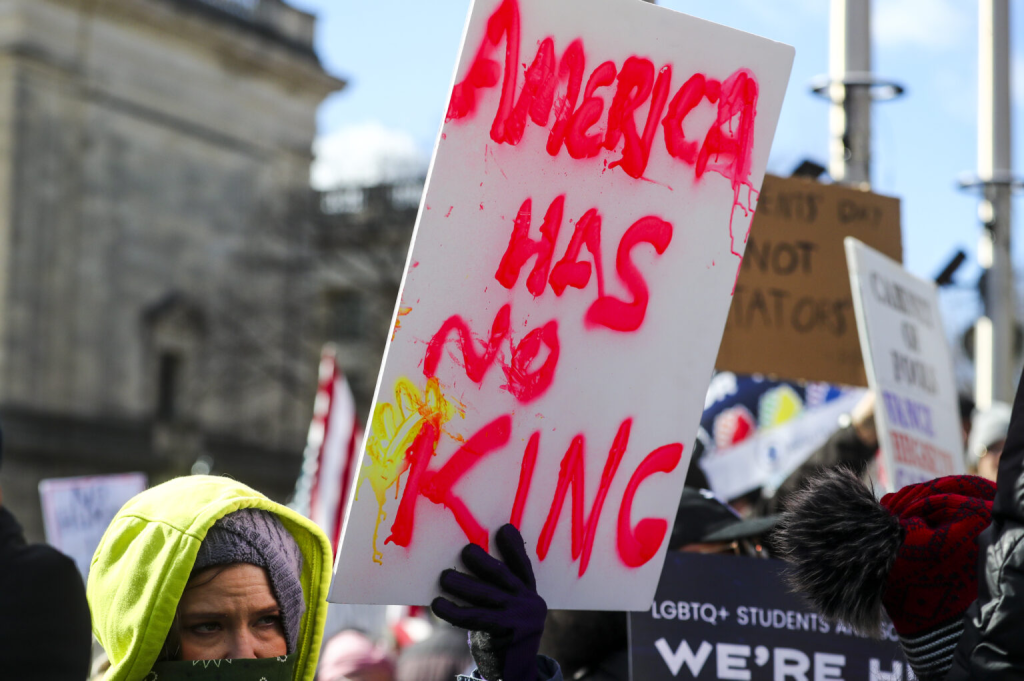
Trump’s decisions, particularly regarding immigration and healthcare, have faced backlash. Mass protests have erupted in response to policies perceived as exclusionary or harmful. These rallies highlight societal tensions and reflect a nation grappling with its identity amidst rapid change.
Role of Key Figures in the Administration
Figures like Elon Musk, leading the Department of Government Efficiency (DOGE), have drawn attention for their controversial actions and statements. Critics argue that such individuals have disproportionate influence on policy decisions, raising questions about the administration’s priorities and values. The New York Times editorial criticizes Musk’s leadership role, highlighting his disruption of essential government services and programs.
Conclusion
The first three months of President Donald Trump’s second term have been characterized by assertive executive actions, fluctuating public opinion, and significant policy shifts. As the nation continues to navigate these developments, the implications of Trump’s presidency remain uncertain. The challenges and triumphs of these initial months will undoubtedly shape the discourse as he seeks to define his legacy.
References
- CBS News. (2025, March). Trump ranks high in executive orders issued, low in approvals nearing 100-day mark. Retrieved from https://www.cbsnews.com/news/trump-ranks-high-in-executive-orders-issued-low-in-approvals-nearing-100-day-mark
- AP News. (2025, March). Trump’s efforts to dismantle the CFPB spark controversy. Retrieved from https://apnews.com/article/5e26c6d31261b92e7753492725e10ef0
- Vox. (2025, March). Trump is torching his greatest political asset. Retrieved from https://www.vox.com/politics/403816/trump-economy-bad-polling-markets
- CT Insider. (2025, March). Quinnipiac poll shows Donald Trump approval rating down, low support for Elon Musk and cabinet. Retrieved from https://www.ctinsider.com/politics/article/ct-trump-musk-doge-approval-quinnipiac-poll-20219819.php
- Business Insider. (2025, March). Donald Trump’s economic approval sinks amid tariff backlash. Retrieved from https://www.businessinsider.com/donald-trump-economic-approval-bad-polling-tariffs-2025-3
- The Times UK. (2025, March). Trump’s approval rating: tracking the opinion polls. Retrieved from https://www.thetimes.co.uk/article/trump-approval-rating-opinion-polls-zd39xzh7z