With Singapore’s General Election coming up, the talk of Singapore’s future has come about again. Singaporean are once again asked to practice their democratic right to choose the optimal government. This blog post will show why more oppositions MPs in parliament is not a bad thing.
The Fear of the Opposition by the PAP

The PAP’s rhetoric regarding the opposition has been clear since the beginning. They are not competent enough therefore you should not vote for them. Fear mongering, and yet a double standard. There has been a wide variety of PAP back benchers with many mediocre candidates and few exceptional individuals.
The current opposition despite what main stream state media claim, has proven their credentials and staying power as competent MPs and effective opposition within the fiery parliament of Singapore. More opposition should be welcomed. Bringing accountability to the PAP. If you want a better PAP vote opposition.
Power Preservation : The Dominance of the PAP
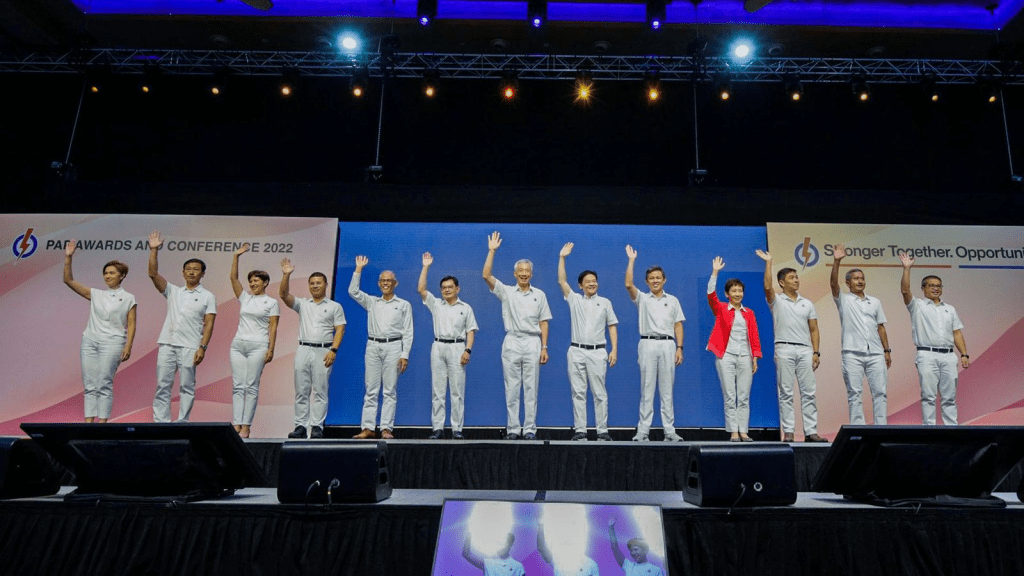
Singapore’s ruling People’s Action Party (PAP) has stayed in power for decades, and it’s no accident. A mix of smart policy making, tight institutional control, and a carefully crafted political narrative has kept them firmly in charge.
The electoral system, particularly Group Representation Constituencies (GRCs), makes it tough for opposition parties to gain traction. At the same time, the PAP presents itself as a party of technocrats—capable, efficient, and essential for Singapore’s continued success.
Laws regulating political donations, defamation, and media further limit the space for dissent, while grassroots organizations like the People’s Association keep the party deeply embedded in communities.
By emphasizing stability, economic growth, and national security, the PAP has built a political environment where opposition is often seen as risky, if not outright unnecessary.
Whether you see this as effective governance or political entrenchment, there’s no denying that the system is built to keep the PAP on top.
Why Single Party is dangerous

A single-party system poses significant dangers due to its concentration of power and lack of political competition. Here’s why it can be problematic:
1. Lack of Checks and Balances
- With no viable opposition, the ruling party faces little accountability.
- Corruption and abuse of power become more likely as there are fewer mechanisms to challenge decisions.
2. Suppression of Dissent and Freedoms
- Political opposition, media, and civil society may be restricted or silenced.
- Freedom of speech and political expression can be curtailed through legal or extralegal means.
3. Policy Stagnation and Poor Governance
- Although not visible as of this moment, continued PAP dominance without checks and balances would result in a reduction in quality of governance. Ensure that the ruling party understands their mortality and make them work harder for Singaporeans
4. Erosion of Democratic Culture
- Citizens may feel powerless, leading to political apathy and low engagement.
- Elections may become symbolic rather than meaningful, reducing public trust in governance.
5. Risk of Authoritarianism
- Over time, a single-party system may evolve into an autocracy, where power is concentrated in a small elite.
- Political succession can become problematic, leading to instability if leadership struggles arise.
6. Unstable Transitions of Power
- When a single-party system eventually collapses, transitions can be chaotic or even violent.
- A lack of democratic institutions can make it difficult to establish a stable multiparty system afterward.
While some argue that single-party systems promote stability and efficiency, history has shown that long-term political monopolies often lead to stagnation, repression, and social unrest. Healthy competition and political pluralism are essential for sustainable governance.
What it means to be an MP?

The PAP loves to harp on about how it provides magnificent facillities for residents within controlled GRC. However, it can be pertained that some members of the public are not satisfied with their claims. However, the measure on an MP should hinge on His/Her abilities to manage everyday operations of a constituency. It should be the expectation of their job.
What should be expected from an MP is the political participation of the people. Represent their voters well in the parliament and bring up issues that matter to them. Vote carefully on what matters to you.
Competition breeds innovation. Competition brings better outcomes for everyone. Do not be afraid.