For the love of money results in greed. Greed breeds suffering and suffering breeds distress. The distressed become hateful and we vow to change the system. But at the end of the day, when your monthly pay check comes in, you are glad. It is not the money you hate, but the people who control them.
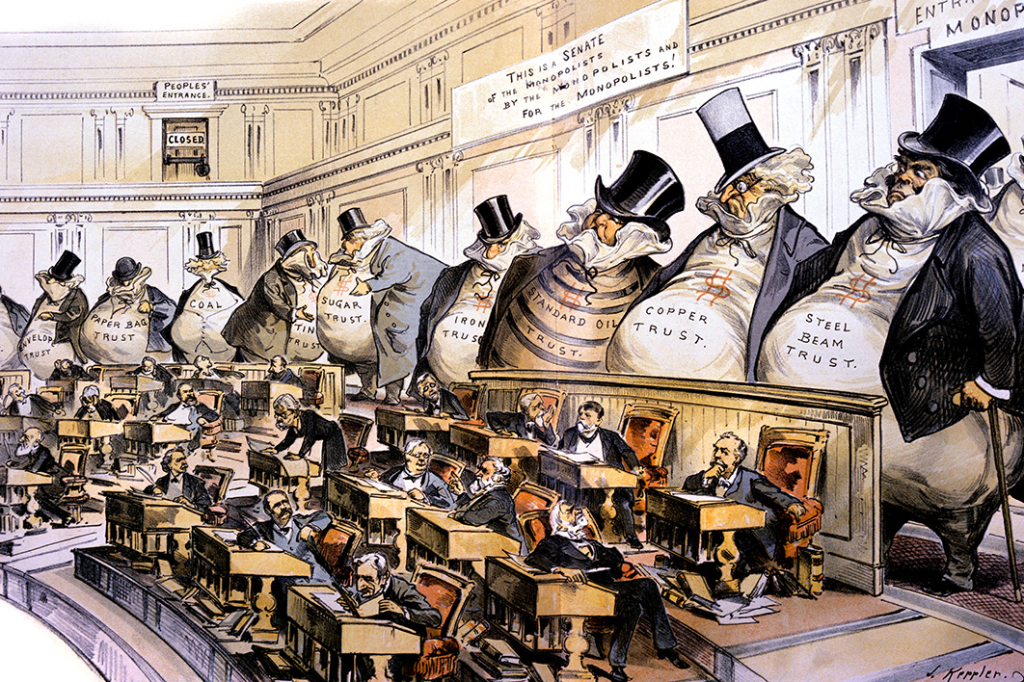
It’s a common refrain: “Capitalism is broken.” We hear it in debates about wealth inequality, skyrocketing housing prices, exploitative labor practices, and the ever-increasing cost of living. But what if the real problem isn’t capitalism itself, but how it has been distorted by monopolies and oligopolies that have eroded competition and concentrated power?
Capitalism’s Core Idea: Competition and Innovation
At its core, capitalism is built on the principles of competition and free enterprise. Businesses compete to offer better products, lower prices, and innovative solutions to attract consumers. In a truly competitive market, inefficiency is punished, and innovation is rewarded.
This competition benefits everyone. It forces businesses to be responsive to consumer needs, encourages efficiency, and drives progress. Consider industries like consumer technology, where competition between Apple, Samsung, and other companies has led to rapid innovation in smartphones, laptops, and wearable tech.
The Problem: Monopolies Destroy Competition
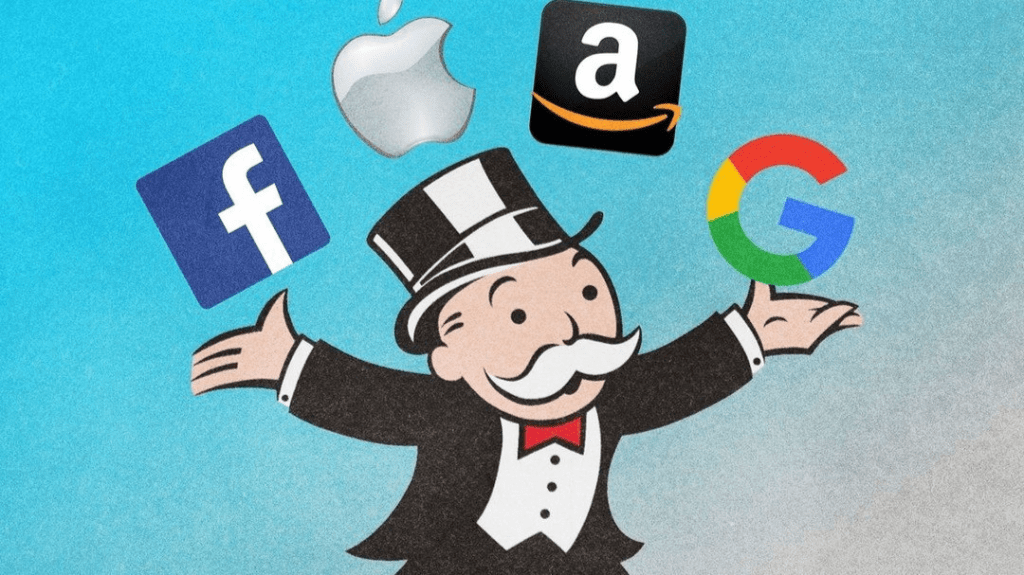
The real issue arises when companies grow so large and powerful that they can eliminate competition. A monopoly or oligopoly (where a few firms dominate an industry) distorts the fundamental mechanics of capitalism by removing the pressure to innovate, keep prices reasonable, or improve working conditions.
Take Big Tech as an example. Companies like Google, Amazon, and Meta dominate their respective markets, making it incredibly difficult for new entrants to compete. They buy up potential competitors before they can become threats (e.g., Facebook acquiring Instagram and WhatsApp) and use their vast resources to create barriers to entry that stifle innovation. Instead of capitalism fostering a dynamic and competitive market, we end up with a system where a few corporations wield disproportionate power.
How Monopolies Hurt Consumers and Workers

- Higher Prices, Worse Service – Without competition, monopolies can raise prices without fear of losing customers. Internet service providers in many countries, for example, charge high fees for mediocre service simply because consumers have no real alternative.
- Lower Wages and Poorer Working Conditions – When a few companies dominate an industry, workers have fewer employment options. Amazon warehouse workers, for instance, have little choice but to accept poor conditions because alternatives are limited.
- Less Innovation – Monopolies can afford to be complacent. Without challengers, there’s no incentive to improve. We see this in industries like pharmaceuticals, where large companies focus on extending patents on existing drugs rather than developing new ones.
The Solution: Restoring Competition

The answer isn’t to abandon capitalism but to fix it. Governments have the tools to prevent monopolistic practices through antitrust laws and regulations that promote competition. Historically, breaking up monopolies has led to better outcomes—think of the U.S. government’s actions against Standard Oil in the early 20th century or the forced breakup of AT&T.
Stronger enforcement of antitrust laws, closing loopholes that allow monopolistic mergers, and fostering an environment where small businesses can thrive are key steps to restoring a fair capitalist system. Additionally, workers’ rights must be strengthened to counterbalance corporate power, ensuring that capitalism benefits everyone, not just the few at the top.
Final Thoughts
Most of us don’t actually hate capitalism—we hate what happens when it is manipulated by monopolistic giants that hoard wealth, stifle innovation, and exploit workers. A healthy capitalist system needs competition, accountability, and fair rules to function effectively. Instead of abandoning capitalism altogether, we should focus on breaking up monopolies and returning power to consumers, workers, and small businesses. That’s the real path to a more equitable and prosperous society.