In Singapore’s carefully managed political landscape, the life of an opposition party is a perpetual uphill climb. Against the backdrop of a long-dominant ruling party, the People’s Action Party (PAP), opposition parties operate in an environment that presents unique and persistent challenges. Yet, they continue to exist, to contest elections, and to strive for a more significant voice in the nation’s governance.
The fundamental role of the opposition in any parliamentary democracy is to scrutinize the government, offer alternative policies, and represent diverse viewpoints.
In Singapore, this role is recognized, and mechanisms like Non-Constituency Members of Parliament (NCMPs) and the recently formalized Leader of the Opposition position ensure a minimum opposition presence in Parliament. This provides a platform for debate and questioning, allowing opposition MPs to raise issues and challenge government decisions on the parliamentary floor. However, the fact that the NCMP scheme exist is a clear indicator of the failures of Singapore’s Democracy.

However, the reality on the ground for opposition parties is often one of navigating significant constraints. Resources, both financial and human, are typically limited compared to the well-established machinery of the ruling party. Building a strong base of dedicated volunteers and attracting highly qualified candidates willing to enter the political arena can be a continuous effort. The demands of political work, often alongside full-time jobs, require immense personal sacrifice.
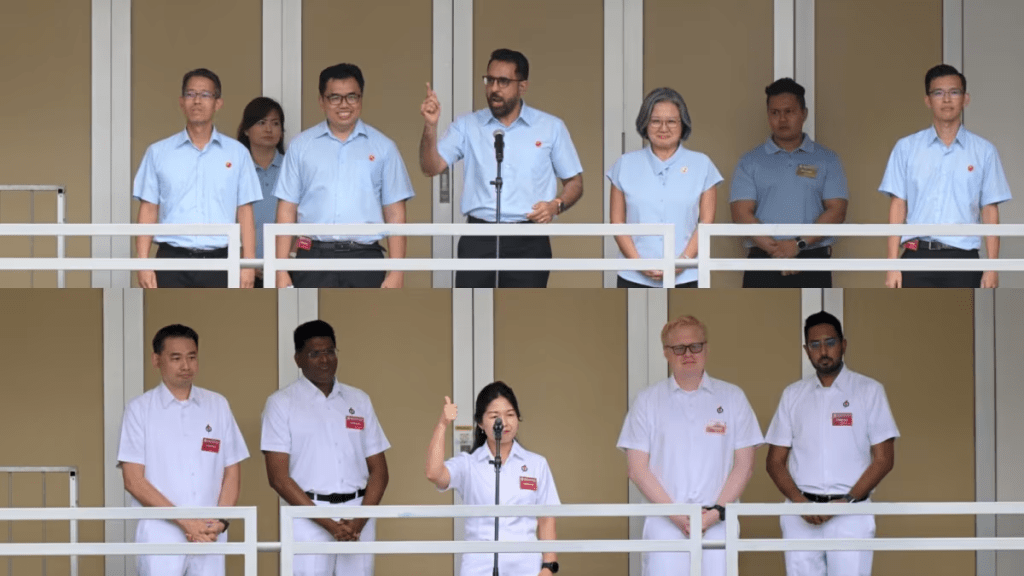
Furthermore, the political landscape itself presents hurdles. The Group Representation Constituency (GRC) system, while aimed at ensuring minority representation, also makes it more challenging for smaller parties to win seats. Electoral boundary changes before each general election can also disrupt years of groundwork laid by opposition parties in specific constituencies, forcing them to adapt their strategies and re-establish connections with new sets of residents.
Gaining consistent and prominent media coverage can also be a challenge, although social media and online platforms have provided alternative avenues for opposition parties to directly engage with the electorate. Nevertheless, the narrative in mainstream media often remains dominated by the ruling party.
Despite these difficulties, opposition parties actively engage in various activities to connect with voters and build their profile. “Walking the ground” – meeting residents in their constituencies, understanding their concerns, and offering assistance – is a fundamental aspect of their work, often carried out consistently between elections. They also focus on developing and presenting alternative policy proposals, aiming to demonstrate their capability to address national issues like the cost of living, housing, and healthcare.

Recent periods have seen opposition parties reviewing their strategies in light of upcoming elections, identifying constituencies to contest, and introducing new candidates to the public. They actively participate in public discourse, responding to government policies and statements, and seeking to present a credible alternative vision for Singapore’s future. The increased number of opposition members in Parliament in recent elections has also provided them with more opportunities to contribute to debates and gain public exposure.
The life of an opposition party in Singapore is undoubtedly demanding, requiring resilience, dedication, and a long-term perspective. They face an uphill battle against systemic advantages and ingrained political norms.
Yet, their continued presence and efforts are vital for a healthy political system, providing alternative voices, holding the government accountable, and contributing to the ongoing evolution of Singapore’s democracy. Their journey is a testament to the commitment of individuals who believe in the importance of contestation and diverse representation in shaping the nation’s destiny.