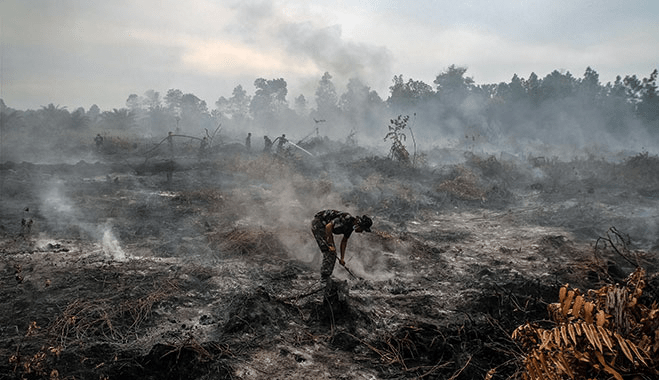
The humble palm oil is a ubiquitous ingredient, found in everything from cookies and shampoo to biofuel. Its high yield and versatility have made it the most widely used vegetable oil globally. However, this widespread use comes at a significant cost, casting a long shadow of negative environmental and social impacts, particularly in the tropical regions where it is primarily produced.
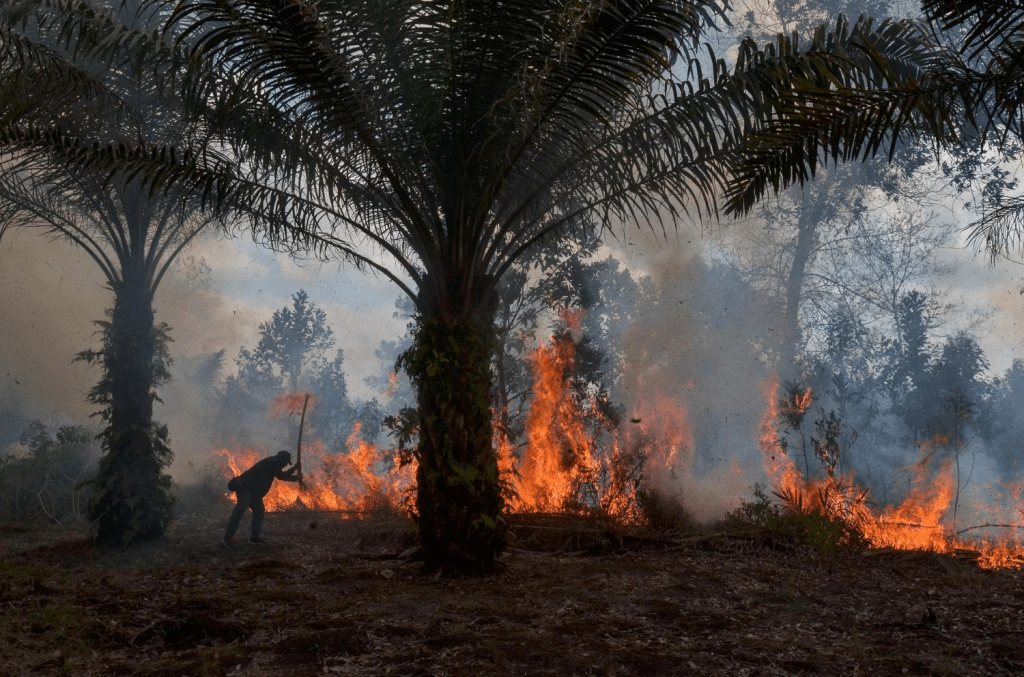
Palm Oil production causes widespread environmental damage and has been widely publicised. Vast areas of rainforest in Indonesia, Malaysia and some parts of Thailand have been cleared to make way for oil plantations.

Rampant deforestation has been a major driver of habitat loss, pushing countless species like towards extinction. Animals like oragnutans, tigers, elephants and rhinoceroses are among the most vulnerable with habitats and populations being fragmented. The clearing of forests also leads to a dramatic loss of biodiversity, disrupting delicate ecosystems and reducing the planet’s natural resilience.
The environmental damage leads to climate change. The clearing carbon rich forest and peatlands for plantation releases significant amounts of greenhouse gases into the atmosphere contributing to increased levels of greenhouse gas emissions.
Agricultural methods adopted by local farmers like Peat Fires (cheap and quick) have devastating impacts, releasing large plumes of smoke and carbon dioxide, causing severe regional haze that impacts air quality and public health.
Social Consequences
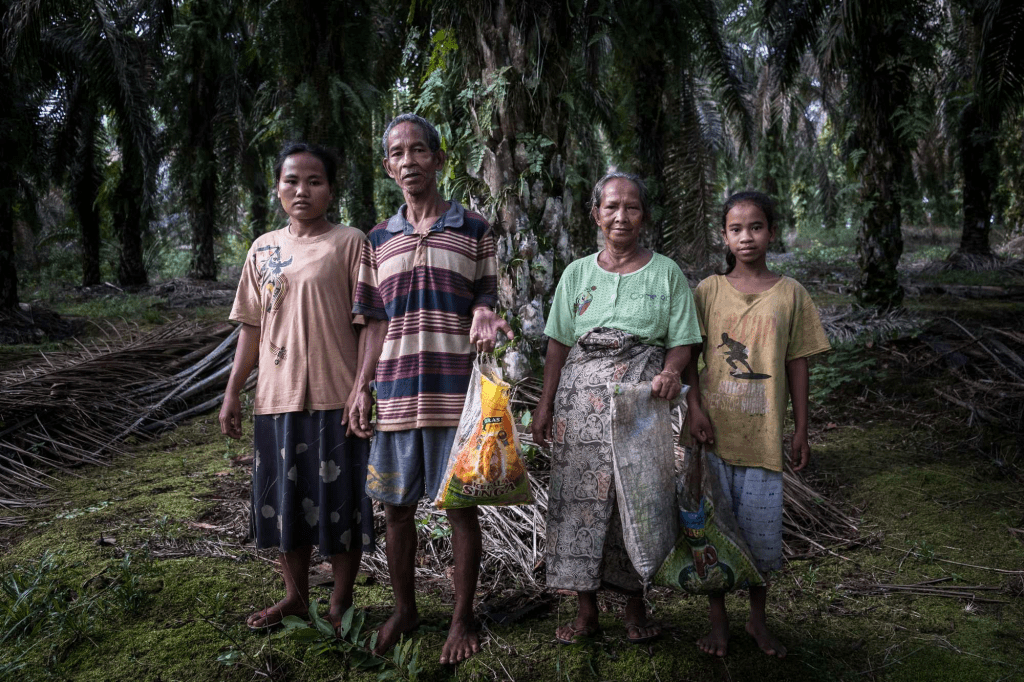
Land right conflicts are rampant between companies and displaced indigenous and local communities. They lose access to their traditional lands, resources and heritage with inadequate compensation or regard for their rights.
The Palm Oil industry has also been linked with significant labor disputes. Reports of poor working conditions, low wages and exploitation are unfortunately common. Cases of forced labor and child labor have been documented. Workers, often migrants, can face dangerous environments, excessive working hours, and lack of basic necessities and safety equipment.
While palm oil undoubtedly contributes to the economies of developing nations and has positive economic benefits, the current model of of production is unsustainable and imposes heavy social and environmental cost.
The future of the planet and vulnerable populations are at stake.
Supporting Sources:
- Palm oil and biodiversity – resource | IUCN
- What is Palm Oil? Facts About the Palm Oil Industry – WWF
- Social and environmental impact of palm oil – Wikipedia
- Deforestation & Palm Oil – Sustainable Palm Oil Choice
- Palm Oil Deforestation: Origins, Environmental Degradation and Solutions – Earth.Org
- Palm oil: economic and environmental impacts | Epthinktank | European Parliament
- Palm oil: Economic and environmental impacts – European Parliament
- The Impacts of Oil Palm on Recent Deforestation and Biodiversity Loss – PMC
- Unseen realities of Palm Oil: Why Social Justice must start with workers – solidar.org
- Identifying the Human Rights Impacts of Palm Oil | Global Canopy
- Social Sustainability of Palm Oil Industry: A Review – Frontiers
- (PDF) An Overview of the Palm Oil Plantation Industry and its Social Impact on Local Communities in Jambi Province, Sumatra, Indonesia – ResearchGate
- “When We Lost the Forest, We Lost Everything”: Oil Palm Plantations and Rights Violations in Indonesia | HRW
- Social impacts of oil palm in Indonesia – cifor-icraf
- Can a palm oil company have social impact? | News | Eco-Business | Asia Pacific
- Challenges of Sustainable Palm Oil Production and Consumption – Earth.Org
- Global Market Report: Palm Oil – IISD
- Palm Oil – WWF Australia
- Palm oil: The pros and cons of a controversial commodity – Dialogue Earth