28th November 2024 Australia passed a law banning social media for children aged under 16.
With Sydney trialing an age-verification system to assist in blocking children from accessing social media platforms, as part of a range of measures that include some of the toughest controls imposed by any country to date.

“For a 14-year-old navigating life’s changes and maturing, this kind of material can make an already challenging time even harder,” he said. “We’re listening to these concerns and taking action.”
Prime Minister Anthony Albanese highlighted the physical and mental health risks that excessive social media use poses to children, particularly the harmful impact on girls from unrealistic body image portrayals and the exposure of boys to misogynistic content.
Several countries have pledged to regulate children’s social media use through legislation, but Australia’s policy stands out as one of the most stringent.
Singapore Leaning towards this position

Singapore is making headway in regulating online usage. According to Minister of State and Digital Development and Information & Ministry of Health, Ms Rahayu Mahzam. [Yes that’s her official designation]
collaborative approach with tech firms and introduces safeguards in an iterative process, citing online safety compliance reports that social media services had to submit to the authorities in 2024 under the Code of Practice for Online Safety.
Currently, The Infocomm Media Development Authority is in the midst of assessing the reports, aiming to foster “Transparency” among the platforms and gather information to ensure safety.
The Code of Practice for Online Safety also requires major social media services to implement more stringent measures, such as restrictive account settings and tools for parents to manage their children’s safety.
She added that the impact of social media usage on children is not conclusive.
“While it has been linked to mental health issues, social media has also been shown to help children develop social skills and build connections with their peers,” said Ms Rahayu.
Well I disagree with the Minister.
A simple search shows multiple research papers done showing the positive and negative effects of Social media on adolescents.
Positives of allowing Children to Access Social Media

- Opportunities for community engagement through raising money for charity and volunteering for local events, including political and philanthropic events;
- Enhancement of individual and collective creativity through development and sharing of artistic and musical endeavors;
- Growth of ideas from the creation of blogs, podcasts, videos, and gaming sites;
- Expansion of one’s online connections through shared interests to include others from more diverse backgrounds (such communication is an important step for all adolescents and affords the opportunity for respect, tolerance, and increased discourse about personal and global issues); and
- Fostering of one’s individual identity and unique social skills.11
[O’Keeffe, G. S., & Clarke-Pearson, K. (2011).]
Negatives of allowing Children to Access Social Media
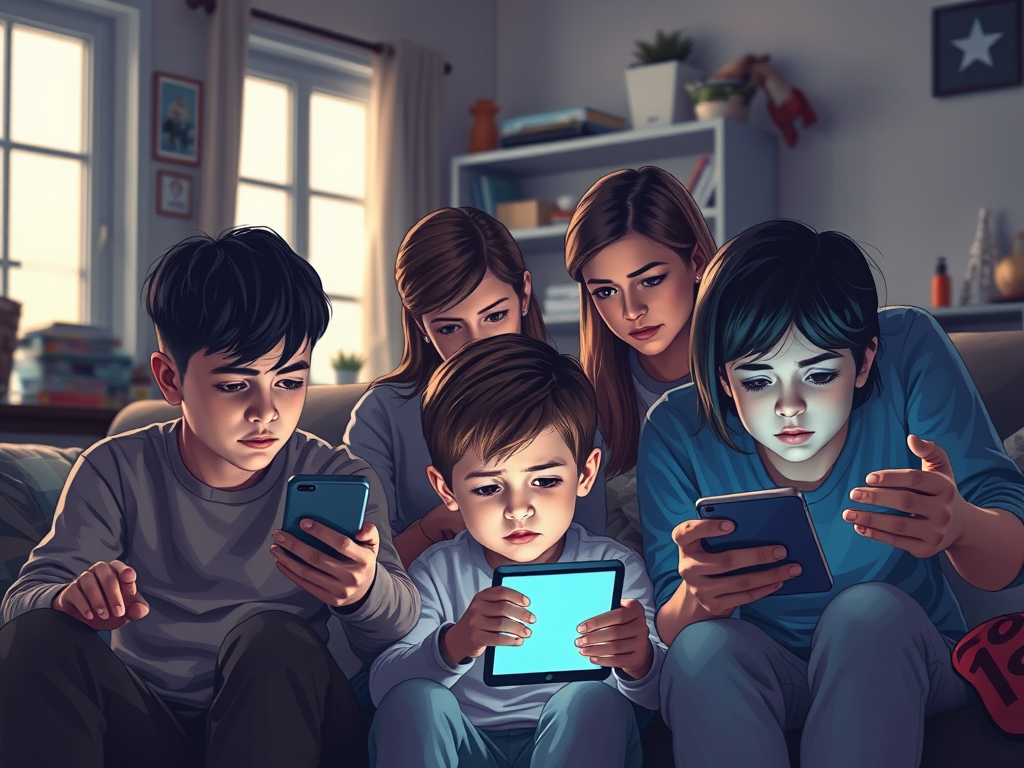
Cyber Bullying and Online Harassment

Cyberbullying is quite common, can occur to any young person online, and can cause profound psychosocial outcomes including depression, anxiety, severe isolation, and, tragically, suicide. [O’Keeffe, G. S., & Clarke-Pearson, K. (2011).]
Sexting

Sexting can be defined as “sending, receiving, or forwarding sexually explicit messages, photographs, or images via cell phone, computer, or other digital devices” (Berkshire District Attorney, 2010)
Youth are much more likely to receive sexual solicitation between same-age youth than sexual predation; and most of these solicitations come from same-age peers who are known offline (Collins, 2011).
Some teens who have engaged in sexting have been threatened or charged with felony child pornography charges, although some states have started characterizing such behaviors as juvenile-law misdemeanors.
These activities result in school suspension for perpetrators and emotional distress with accompanying mental health conditions for victims. In many circumstances, however, the sexting incident is not shared beyond a small peer group or a couple and is not found to be distressing at all.
Injustice for the victims of sexting.
Facebook Depression
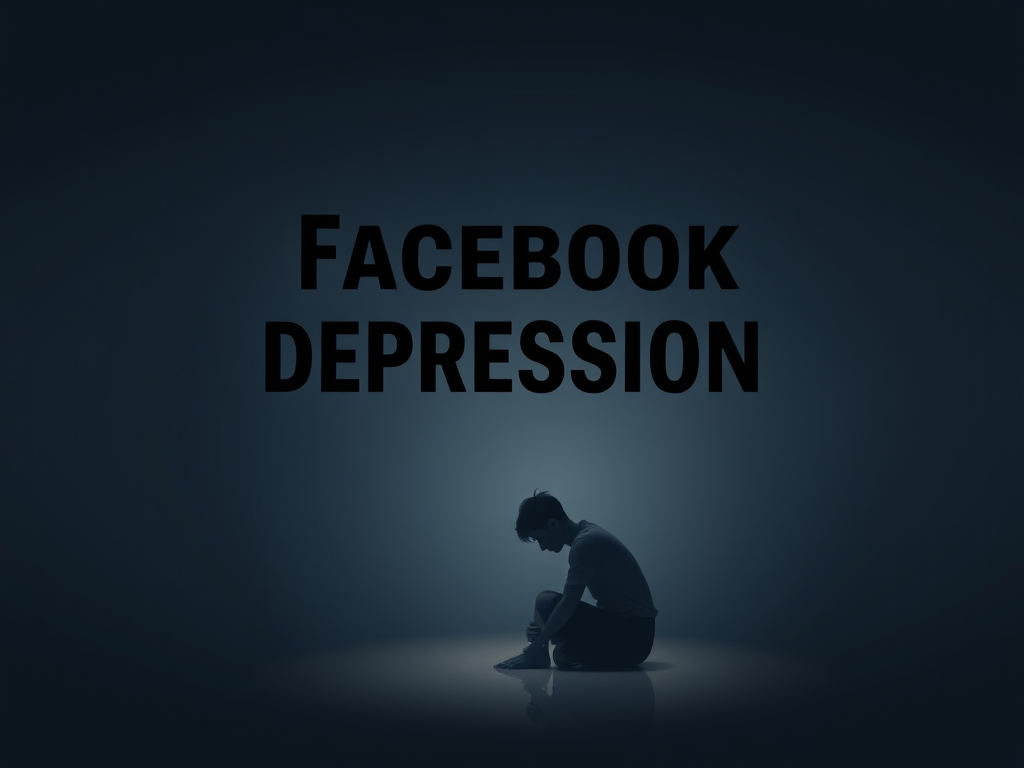
Facebook depression is defined as depression that deveops when pre-teens and teens spend a great deal of time on social media sites.
Acceptance within friend groups and validation are important parts of a teenager’s life.
The openness of the internet may trigger depression in some. Severe cases may result in social isolation and individuals to turn to risky and destructive behavior. (Pornography, Substance Abuse, Gambling)
Privacy and Digital Footprint Concerns

Adolescents online lack the experience or awareness when it comes to navigating cyberspace.
They are at risk of improper use of technology, lack of privacy, sharing too much information, or posting false information about themselves or others. (O’Keeffe, G. S., & Clarke-Pearson, K. (2011).)
Targeted Advertising

Social media companies main aspect of revenue generation is from advertisers. Sites like facebook, Tiktok, Instagram and many others have algorithms designed to cater content and ads towards their users to maximize revenue.
These companies influence not only the buying tendencies of preadolescent and adolescents but also their views of what is normal. ( Tartari, E. (2015). )
For me, I’m all in favor for this legislation. Hearing from some friends who have become school teachers. The classroom behavior is getting worse. It was so much worse than when my generation was in primary and secondary school. Children and adolescents need to be protected. They need space to grow and learn and to make mistakes.
Letting them loose on the internet only leads them to despair, self esteem issue and a ton of other mental illness. For the greater good, society deems to gain a net benefit by banning social media for persons under 16.
References
https://www.channelnewsasia.com/world/australia-social-media-ban-children-under-16-4731736
O’Keeffe, G. S., & Clarke-Pearson, K. (2011). The impact of social media on children, adolescents, and families. Pediatrics, 127(4), 800-804.
Tartari, E. (2015). Benefits and risks of children and adolescents using social media. European Scientific Journal, 11(13).
Reid Chassiakos, Y. L., Radesky, J., Christakis, D., Moreno, M. A., Cross, C., Hill, D., … & Swanson, W. S. (2016). Children and adolescents and digital media. Pediatrics, 138(5).